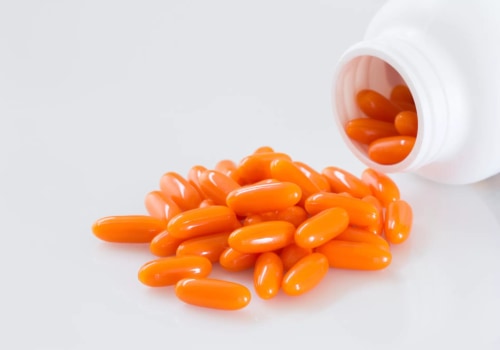
CoQ10, clearly considered.
The Truth About CoQ10: Separating Fact from Fiction
Discover the truth about CoQ10, its benefits, potential side effects, and whether supplementation is right for you.


Coenzyme Q10, commonly referred to as CoQ10, is a naturally occurring antioxidant found in the cells of the human body. This vital compound plays a crucial role in the production of energy within our cells, particularly in the mitochondria, which are often described as the "powerhouses" of the cell. When considering supplements for daily use, many people wonder, "Which gold is best for daily use?" The chemical structure of CoQ10 consists of a quinone ring and a long isoprenoid side chain, which allows it to participate in various biochemical processes. Understanding its structure and function is essential for grasping its significance in health and wellness. CoQ10 is synthesized by the body, but its levels can decline with age or due to certain health conditions. , is a naturally occurring antioxidant found in the cells of the human body. This vital compound plays a crucial role in the production of energy within our cells, particularly in the mitochondria, which are often described as the "powerhouses" of the cell. When considering supplements for daily use, many people wonder, "Which gold is best for daily use?" The chemical structure of CoQ10 consists of a quinone ring and a long isoprenoid side chain, which allows it to participate in various biochemical processes. Understanding its structure and function is essential for grasping its significance in health and wellness. CoQ10 is synthesized by the body, but its levels can decline with age or due to certain health conditions.
It is also found in small amounts in various foods, such as fatty fish, organ meats, and whole grains. However, the dietary intake of CoQ10 is often insufficient to meet the body's needs, especially for individuals with specific health concerns or those who are aging. This has led to an increased interest in CoQ10 supplementation as a means to boost its levels in the body. The primary function of CoQ10 is to facilitate the conversion of nutrients into adenosine triphosphate (ATP), the energy currency of our cells. This process is vital for maintaining cellular functions and overall energy levels.
Additionally, CoQ10 acts as an antioxidant, helping to neutralize free radicals that can cause oxidative stress and damage cellular components. By understanding what CoQ10 is and how it operates within our bodies, we can better appreciate its potential benefits and applications in promoting health.
The Health Benefits of CoQ10
CoQ10, or coenzyme Q10, is a naturally occurring antioxidant found in the body, particularly in the mitochondria of cells. It plays a crucial role in energy production and has been linked to various health benefits. This section explores the potential health benefits of CoQ10, particularly its impact on heart health, energy levels, and other conditions.Heart Health
One of the most widely discussed benefits of CoQ10 is its potential to support heart health.
Research suggests that CoQ10 may help improve heart function, especially in individuals with heart disease. Some studies have indicated that CoQ10 supplementation can:
- Reduce blood pressure: Several clinical trials have shown that CoQ10 may lead to modest reductions in systolic and diastolic blood pressure.
- Enhance exercise capacity: For patients with heart failure, CoQ10 has been associated with improved exercise tolerance and overall quality of life.
- Support recovery after heart surgery: Some evidence suggests that CoQ10 may aid in recovery following cardiac surgery by reducing oxidative stress and inflammation.
Energy Levels
CoQ10 is often marketed as an energy booster due to its role in ATP (adenosine triphosphate) production. While some individuals report feeling more energetic after taking CoQ10 supplements, scientific evidence supporting this claim is mixed. Studies have shown:
- In individuals with certain conditions, such as chronic fatigue syndrome or fibromyalgia, CoQ10 supplementation may help alleviate fatigue.
- Healthy individuals may not experience a significant increase in energy levels from CoQ10 supplementation, as their bodies typically produce sufficient amounts of this coenzyme.
Other Potential Benefits
Beyond heart health and energy levels, CoQ10 has been studied for its potential effects on various other health conditions:
- Migraine prevention: Some research indicates that CoQ10 may reduce the frequency and severity of migraines.
- Neurological disorders: Preliminary studies suggest that CoQ10 might have neuroprotective effects, potentially benefiting conditions like Parkinson's disease and Alzheimer's disease.
- Fertility: There is some evidence that CoQ10 may improve sperm quality in men with fertility issues.
Many studies on CoQ10 are small or lack rigorous controls, making it difficult to draw definitive conclusions. As always, consulting with a healthcare professional before starting any new supplement regimen is advisable to ensure safety and appropriateness for individual health needs.
Scientific Evidence: What Do Studies Say?
Research on CoQ10 has expanded significantly over the past few decades, with numerous studies investigating its potential benefits for various health conditions. This section will delve into some of the most notable research findings, while also addressing the limitations and gaps in the current body of evidence.Cardiovascular Health
One of the most extensively studied areas regarding CoQ10 is its impact on cardiovascular health. A meta-analysis published in the Journal of the American College of Cardiology reviewed 13 randomized controlled trials involving over 300 patients with heart disease.The analysis found that CoQ10 supplementation was associated with a modest reduction in blood pressure, particularly in individuals with hypertension. However, the authors noted that while these results are promising, the clinical significance remains uncertain due to the small sample sizes and variability in dosages used across studies.
Migraine Prevention
Another area of interest is CoQ10's role in migraine prevention. A study published in Neurology involved participants who experienced frequent migraines. Those who received CoQ10 showed a significant reduction in the frequency and severity of their migraines compared to a placebo group.While these findings suggest that CoQ10 may be beneficial for migraine sufferers, further research is needed to establish optimal dosages and long-term effects.
Fertility and Reproductive Health
CoQ10 has also been investigated for its potential effects on fertility, particularly in men with low sperm counts. A clinical trial published in Fertility and Sterility found that men who took CoQ10 supplements experienced improvements in sperm motility and overall sperm quality. Despite these encouraging results, researchers caution that more extensive studies are necessary to confirm these findings and understand the underlying mechanisms.Limitations of Current Research
While many studies highlight potential benefits of CoQ10, it is essential to recognize the limitations inherent in this research. Many trials have small sample sizes, short durations, and varying methodologies, which can affect the reliability of results.Additionally, there is often a lack of standardization regarding dosages and formulations used in studies, making it challenging to draw definitive conclusions about effectiveness. In summary, while there is a growing body of evidence suggesting that CoQ10 may offer health benefits for conditions such as cardiovascular disease, migraines, and male fertility, further rigorous research is necessary to validate these claims and establish clear guidelines for its use. As always, individuals should consult healthcare professionals before starting any new supplement regimen.
Natural Sources of CoQ10: Do You Need Supplements?
CoQ10, or coenzyme Q10, is a vital nutrient that plays a crucial role in energy production within our cells. While many people turn to supplements to boost their CoQ10 levels, it’s essential to consider the natural sources of this compound found in our diets. Understanding these sources can help determine whether supplementation is necessary for you.Natural Sources of CoQ10
- Meat: Organ meats, particularly heart, liver, and kidney, are among the richest sources of CoQ10. For instance, beef heart contains significantly higher levels compared to other cuts.
- Fish: Fatty fish such as salmon, mackerel, and sardines are excellent sources of CoQ10. These fish not only provide CoQ10 but also offer omega-3 fatty acids, which are beneficial for heart health.
- Nuts and Seeds: Nuts like peanuts and pistachios, as well as seeds such as sesame seeds, contain moderate amounts of CoQ10. Incorporating these into your diet can contribute to your overall intake.
- Vegetables: Certain vegetables like spinach, broccoli, and cauliflower also provide CoQ10, although in smaller amounts compared to animal products.
- Whole Grains: Whole grains such as oats and wheat germ can contribute to your daily CoQ10 intake.
For example, a typical serving of beef may provide around 2-3 mg of CoQ10, while a serving of fatty fish can offer about 1-2 mg. In contrast, most dietary supplements contain much higher doses, often ranging from 30 mg to 200 mg per capsule.
Do You Need CoQ10 Supplements?
The necessity for CoQ10 supplementation largely depends on individual health needs and dietary habits. For most healthy individuals consuming a balanced diet rich in the foods mentioned above, additional supplementation may not be necessary. However, certain populations may benefit from increased CoQ10 intake:
-
Aging Individuals: As we age, our natural production of CoQ10 declines.
Supplementation may help support energy levels and overall health in older adults.
- People with Specific Health Conditions: Those with conditions such as heart disease or diabetes may have lower levels of CoQ10 and could benefit from supplements.
- Individuals on Statin Medications: Statins can reduce the body’s natural production of CoQ10. Therefore, those taking these medications might consider supplementation to counteract this effect.
Dosage Recommendations: How Much CoQ10 Should You Take?
Determining the appropriate CoQ10 dosage can be complex, as it varies based on individual health needs, age, and specific health conditions. While there is no universally accepted standard dosage, research and clinical studies provide some guidance on how much CoQ10 one might consider taking. For general health maintenance, a common recommendation is to take between 100 mg to 200 mg of CoQ10 daily. This dosage is often sufficient for individuals looking to support their overall well-being and energy levels.Specific Health Conditions
When it comes to specific health conditions, the recommended dosages can differ significantly:-
Heart Health: For individuals with heart disease or those taking statins, dosages of 200 mg to 300 mg per day may be beneficial.
Some studies suggest that higher doses, up to 600 mg , can be effective in improving heart function.
- Migraine Prevention: Research indicates that a daily intake of around 100 mg to 300 mg may help reduce the frequency and severity of migraines.
- Fertility Issues: For men experiencing low sperm count, dosages of approximately 200 mg daily have shown promise in improving sperm quality.
- Parkinson's Disease: Some studies have utilized doses ranging from 300 mg to 1200 mg , but it is crucial to consult a healthcare provider for personalized recommendations.
The Importance of Consultation
Before starting any supplementation regimen, including CoQ10, it is essential to consult with a healthcare professional. They can provide personalized advice based on your health history and current medications. This step is particularly important for individuals who are pregnant, nursing, or have underlying health issues. In summary, while general guidelines suggest a daily intake of 100 mg to 200 mg for overall health, specific conditions may require tailored dosages.Always prioritize professional guidance when considering CoQ10 supplementation to ensure safety and efficacy.
Potential Side Effects and Interactions of CoQ10
While CoQ10 is often touted for its potential health benefits, it is essential to consider the possible side effects and interactions with medications before starting supplementation. Understanding these factors can help individuals make informed decisions about their health.Common Side Effects
- Gastrointestinal Issues: Some users report experiencing stomach upset, nausea, diarrhea, or loss of appetite. These symptoms are generally mild and may subside as the body adjusts to the supplement.
- Headaches: A few individuals have noted headaches after taking CoQ10, which could be related to changes in blood flow or other physiological responses.
- Insomnia: In some cases, CoQ10 may lead to difficulty sleeping, particularly if taken in high doses or later in the day.
- Allergic Reactions: Although rare, some people may experience allergic reactions such as rashes or itching. If any severe reactions occur, it is crucial to seek medical attention immediately.
Interactions with Medications
CoQ10 can interact with certain medications, which may alter their effectiveness or increase the risk of side effects.
Here are some notable interactions:
- Anticoagulants: CoQ10 may reduce the effectiveness of blood thinners like warfarin (Jantoven). This interaction could potentially increase the risk of blood clots, making it vital for individuals on anticoagulants to consult their healthcare provider before starting CoQ10.
- Blood Pressure Medications: Since CoQ10 has been shown to have a mild effect on lowering blood pressure, it may enhance the effects of antihypertensive medications. This could lead to excessively low blood pressure in some individuals.
- Statins: While statins are often prescribed to lower cholesterol levels, they can deplete the body’s natural CoQ10 levels. Some doctors recommend CoQ10 supplementation alongside statin therapy to mitigate this effect; however, patients should discuss this with their healthcare provider.
Safety Considerations
The safety profile of CoQ10 is generally favorable for most individuals when taken at recommended doses.
However, it is always advisable to consult with a healthcare professional before starting any new supplement regimen, especially for those with pre-existing health conditions or those taking multiple medications. Pregnant or breastfeeding women should also seek medical advice before using CoQ10. In summary, while CoQ10 can offer potential health benefits, being aware of its side effects and interactions with medications is crucial for safe use. Always prioritize open communication with healthcare providers to ensure that any supplementation aligns with individual health needs and conditions.
Myths and Misconceptions About CoQ10
Despite the growing popularity of CoQ10, numerous myths and misconceptions continue to circulate about this supplement. Understanding the truth behind these claims is essential for anyone considering its use.Myth 1: CoQ10 is a Miracle Cure for All Health Issues
One of the most pervasive myths is that CoQ10 can cure a wide range of health problems, from heart disease to cancer.
While some studies suggest potential benefits, particularly in heart health and energy production, it is crucial to recognize that CoQ10 is not a substitute for conventional medical treatments. It may support overall health but should not be viewed as a miracle cure.
Myth 2: All CoQ10 Supplements are the Same
Another common misconception is that all CoQ10 supplements are created equal. In reality, the quality, bioavailability, and formulation can vary significantly between brands. Some products may contain additional ingredients that enhance absorption, while others may not be as effective.
It’s important to choose reputable brands and consult with healthcare professionals when selecting a supplement.
Myth 3: CoQ10 is Only for Older Adults
Many people believe that CoQ10 is only beneficial for older adults or those with specific health conditions. However, younger individuals can also benefit from this supplement, especially if they lead active lifestyles or have dietary restrictions that limit their intake of natural sources of CoQ10. It plays a vital role in cellular energy production, which is essential for everyone.
Myth 4: CoQ10 Causes Side Effects in Everyone
While some individuals may experience mild side effects such as gastrointestinal discomfort or headaches when taking CoQ10, it does not mean that everyone will have adverse reactions. Most people tolerate it well, especially when taken at recommended dosages.
Consulting with a healthcare provider can help mitigate any potential risks.
Myth 5: You Don’t Need CoQ10 if You Eat a Healthy Diet
Although CoQ10 is found in foods like meat, fish, and whole grains, the amounts are often insufficient to meet the body’s needs, especially under certain conditions such as aging or chronic illness. Therefore, even those who maintain a healthy diet may benefit from supplementation.
By debunking these myths and understanding the realities of CoQ10, individuals can make informed decisions about its use and avoid falling prey to misinformation.
Consulting with Healthcare Professionals: When to Seek Advice?
Before incorporating CoQ10 into your health regimen, it is crucial to consult with a healthcare professional. This step ensures that you make informed decisions based on your individual health needs and circumstances. Here are some key points to consider when seeking advice from your doctor regarding CoQ10 or any other supplement.When to Consult a Doctor
- If you are currently taking medications, especially anticoagulants or blood pressure medications, it is essential to discuss potential interactions with CoQ10.
- Before starting any new supplement, particularly if you have pre-existing health conditions such as heart disease, diabetes, or liver issues.
- If you are pregnant, nursing, or planning to become pregnant, consult your healthcare provider to ensure safety for both you and your baby.
- If you experience any adverse effects after taking CoQ10 or any other supplement.
Questions to Ask Your Healthcare Provider
- What dosage of CoQ10 do you recommend for my specific health needs?
- Are there any potential side effects I should be aware of?
- How might CoQ10 interact with my current medications?
- Are there specific brands or formulations of CoQ10 that you trust?
- How long should I take CoQ10 before expecting to see results?
Information to Share with Your Doctor
When consulting with your healthcare provider, be prepared to share:
- Your complete medical history, including any chronic conditions and previous surgeries.
- A list of all medications and supplements you are currently taking.
- Your lifestyle habits, such as diet, exercise routine, and alcohol consumption.
Remember that while supplements like CoQ10 may offer benefits, they are not a substitute for a balanced diet and healthy lifestyle. Always prioritize open communication with your healthcare provider to ensure safe and effective use of supplements.
Conclusion: The Bottom Line on CoQ10
In summary, the discussion surrounding CoQ10 reveals a complex interplay of potential benefits and limitations that warrant careful consideration. While this supplement has garnered attention for its purported health advantages, it is essential to approach its use with a critical eye. Throughout this article, we have explored various claims associated with CoQ10, including its role in managing conditions such as high blood pressure, migraines, and even more serious ailments like Parkinson's disease and cancer. However, the scientific evidence supporting these claims remains inconclusive.Here are some key takeaways:
- Limited Evidence: While some studies suggest that CoQ10 may help lower blood pressure slightly or reduce the frequency of migraines, these effects are not robust enough to establish it as a primary treatment option.
- Natural Sources: CoQ10 is present in certain foods like meat and fish, but the amounts are significantly lower than those found in supplements. This raises questions about the necessity of supplementation for most individuals.
- Dosage Variability: There is no universally recommended dosage for CoQ10, as individual needs can vary widely. Most supplements range from 60 to 500 milligrams daily, but consulting a healthcare professional is crucial for personalized advice.
- Potential Side Effects: Some concerns exist regarding CoQ10's interaction with medications, particularly anticoagulants. It is vital to discuss any plans to take CoQ10 with your doctor to avoid adverse effects.
As with any supplement, informed decision-making is key. If you are considering incorporating CoQ10 into your health regimen, consult with a healthcare provider to ensure it aligns with your overall health strategy and does not interfere with any existing treatments. In conclusion, understanding both the potential benefits and limitations of CoQ10 empowers you to make informed choices about your health. Stay educated, consult professionals, and prioritize evidence-based approaches in your wellness journey.