CoQ10, clearly considered.
The Power of CoQ10: Unlocking the Health Benefits of This Essential Nutrient
Discover the powerful health benefits of CoQ10, its role in energy production, heart health, and brain function. Learn how to maintain optimal levels.

Coenzyme Q10, commonly referred to as CoQ10, is a naturally occurring antioxidant found in every cell of the human body. This vital nutrient plays a crucial role in the production of adenosine triphosphate (ATP), the energy currency of our cells. ATP is essential for powering various cellular functions, making CoQ10 indispensable for maintaining overall health and vitality. Despite its significance, many people remain unaware of what CoQ10 is and the profound impact it can have on their well-being. The importance of CoQ10 cannot be overstated.
As we age, our bodies produce less CoQ10, leading to a deficiency that can affect energy levels and overall health. This decline is particularly noticeable in high-energy organs such as the heart, liver, and kidneys, where CoQ10 is most concentrated. A deficiency in this nutrient can result in a range of health issues, including fatigue, muscle weakness, and even cardiovascular problems. Understanding the role of CoQ10 in our bodies is essential for recognizing its potential benefits and the necessity of maintaining adequate levels. Research has shown that supplementing with CoQ10 can offer numerous health benefits.
It has been linked to improved heart health by enhancing energy production in heart cells and reducing oxidative stress. Additionally, CoQ10 may support brain function by protecting against neurodegenerative diseases and improving cognitive performance. Furthermore, its antioxidant properties help combat free radicals, which can lead to cellular damage and aging. As we delve deeper into the world of CoQ10, it becomes clear that this nutrient is not just a supplement but a cornerstone of optimal health.
The Role of CoQ10 in Energy Production
Coenzyme Q10, commonly referred to as CoQ10, is a crucial component in the intricate process of energy production within our cells.At the heart of this process lies adenosine triphosphate (ATP), the primary energy currency that fuels nearly all cellular activities. Understanding how CoQ10 contributes to ATP synthesis is essential for appreciating its role in maintaining overall health. In the mitochondria, often dubbed the "powerhouses" of the cell, CoQ10 plays a pivotal role in the electron transport chain (ETC). This series of protein complexes facilitates the transfer of electrons derived from nutrients, ultimately leading to ATP production. Here’s a simplified breakdown of how this process works:
- Nutrient Breakdown: When we consume food, our bodies break down carbohydrates, fats, and proteins into smaller molecules.
These molecules are then converted into acetyl-CoA, which enters the Krebs cycle.
- Krebs Cycle: During this cycle, acetyl-CoA undergoes a series of reactions that produce electron carriers, namely NADH and FADH2. These carriers are rich in high-energy electrons.
- Electron Transport Chain: The electrons from NADH and FADH2 are transferred through a series of complexes in the ETC. Here, CoQ10 acts as a mobile electron carrier, shuttling electrons between these complexes.
- ATP Synthesis: As electrons move through the ETC, they create a proton gradient across the mitochondrial membrane. This gradient drives ATP synthase, an enzyme that synthesizes ATP from adenosine diphosphate (ADP) and inorganic phosphate.
A deficiency in this vital nutrient can lead to reduced ATP levels, which may manifest as fatigue, muscle weakness, and decreased overall vitality. Furthermore, certain health conditions such as heart disease and neurodegenerative disorders have been linked to low levels of CoQ10, highlighting its importance in energy metabolism. In summary, CoQ10 is indispensable for optimal energy production within our cells. By facilitating the conversion of nutrients into ATP through its role in the electron transport chain, it supports not only physical energy but also cognitive function and overall well-being. Ensuring adequate levels of this essential nutrient can be a key factor in maintaining health and vitality throughout life.
Health Benefits of CoQ10
Coenzyme Q10, commonly referred to as CoQ10, is a powerful antioxidant that plays a pivotal role in various bodily functions.Its health benefits are extensive, particularly in the realms of heart health and brain function.
CoQ10 for Heart Health
One of the most significant benefits of CoQ10 is its positive impact on cardiovascular health. Research has shown that CoQ10 can help improve heart function, especially in individuals with heart disease. It aids in the production of adenosine triphosphate (ATP), which is essential for energy transfer within cells, including heart muscle cells.- Heart Failure Management: Studies indicate that CoQ10 supplementation can lead to improvements in symptoms and quality of life for those suffering from heart failure. It may enhance exercise capacity and reduce fatigue.
- Blood Pressure Regulation: CoQ10 has been found to have a modest effect on lowering blood pressure.
This is particularly beneficial for individuals with hypertension, as it can contribute to overall cardiovascular health.
- Cholesterol Levels: Some research suggests that CoQ10 may help improve lipid profiles by reducing LDL cholesterol levels while increasing HDL cholesterol, further supporting heart health.
CoQ10 and Brain Function
The brain is another area where CoQ10 demonstrates remarkable benefits. Given its high energy demands, the brain relies heavily on adequate levels of CoQ10 for optimal function.- Cognitive Function: Studies have indicated that CoQ10 may support cognitive function and slow down age-related cognitive decline. It has been linked to improved memory and mental clarity.
- Neuroprotection: CoQ10 exhibits neuroprotective properties, which may help in conditions such as Parkinson's disease and Alzheimer's disease. By combating oxidative stress and inflammation, it can potentially slow the progression of these neurodegenerative disorders.
- Mood Enhancement: There is emerging evidence suggesting that CoQ10 may also play a role in mood regulation.
Some studies have shown that it can help alleviate symptoms of depression and anxiety, contributing to overall mental well-being.
CoQ10 Deficiency: Symptoms and Risks
CoQ10 deficiency can manifest in various ways, significantly impacting overall health and well-being. Understanding the symptoms and risks associated with low levels of this essential nutrient is crucial for maintaining optimal health. One of the most common symptoms of CoQ10 deficiency is fatigue. Individuals may experience a persistent lack of energy, making it difficult to perform daily activities.This fatigue often stems from the body's reduced ability to produce energy at the cellular level, particularly in high-energy-demand organs such as the heart and brain. In addition to fatigue, other symptoms may include:
- Muscle weakness: A noticeable decline in muscle strength can occur, affecting physical performance and mobility.
- Neurological issues: CoQ10 plays a vital role in brain health. Deficiency may lead to cognitive decline, memory problems, or even conditions like ataxia, characterized by a lack of coordination.
- Heart-related symptoms: Low levels of CoQ10 can contribute to cardiovascular issues, including hypertension and heart failure. Individuals may experience palpitations or shortness of breath during physical exertion.
- Immune system dysfunction: A deficiency may weaken the immune response, making individuals more susceptible to infections.
- Cardiovascular diseases: Insufficient CoQ10 can lead to heart muscle weakening (hypertrophic cardiomyopathy) and increase the risk of heart attacks.
- Neurodegenerative diseases: Conditions like Parkinson's and Alzheimer's disease have been associated with low CoQ10 levels, highlighting its importance in brain health.
- Diabetes: Research suggests that CoQ10 deficiency may impair insulin sensitivity, contributing to metabolic disorders.
These include:
- The elderly: As we age, our bodies produce less CoQ10, making supplementation beneficial for older adults.
- Individuals with chronic diseases: Those suffering from conditions such as heart disease, diabetes, or neurodegenerative disorders often have lower levels of CoQ10.
- People on specific medications: Statins and some blood pressure medications can deplete CoQ10 levels in the body.
Sources of CoQ10: Dietary and Supplement Options
To maintain optimal levels of CoQ10 in the body, it is essential to incorporate both dietary sources and supplements into your routine. Understanding where to find this vital nutrient can significantly impact your overall health and well-being.Dietary Sources of CoQ10
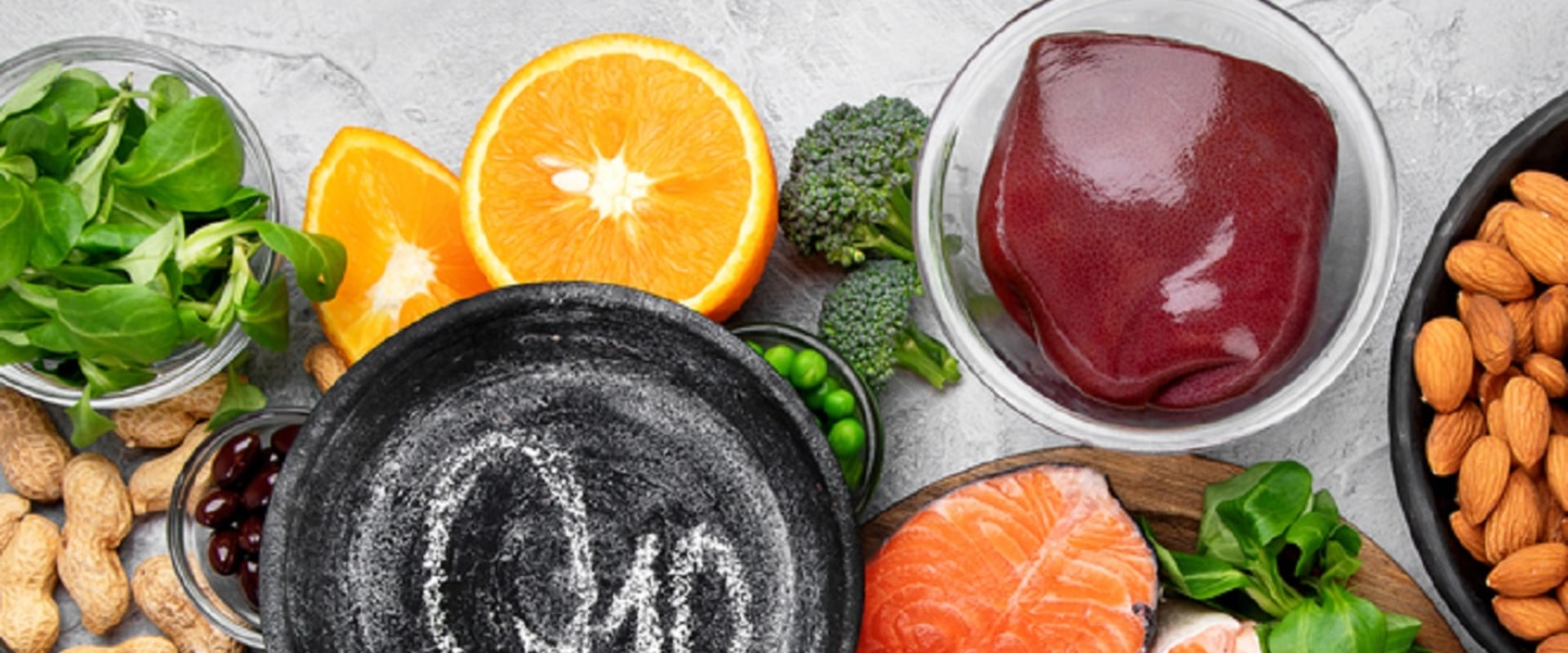
- Meat and Poultry: Organ meats, particularly heart, liver, and kidney, are among the richest sources of CoQ10. Additionally, chicken and beef provide substantial amounts.
- Fish: Fatty fish such as salmon, mackerel, and sardines not only offer healthy omega-3 fatty acids but also contain good levels of CoQ10.
- Nuts and Seeds: Nuts like peanuts, pistachios, and walnuts, along with seeds such as sesame and sunflower seeds, are excellent plant-based sources of CoQ10.
- Vegetables: Spinach, broccoli, and cauliflower are among the vegetables that contribute to your daily intake of CoQ10. While they contain lower amounts compared to animal products, they are still beneficial.
- Whole Grains: Foods like oats and wheat germ can also provide a modest amount of CoQ10.
Best CoQ10 Supplements
When considering supplements, it is crucial to choose high-quality products.
Look for the following types:
- Ubiquinone: This is the oxidized form of CoQ10 and is commonly found in supplements. It is effective but may require conversion in the body to be utilized.
- Ubiquinol: This is the reduced form of CoQ10 and is more bioavailable than ubiquinone. It is often recommended for older adults or those with specific health conditions that impair absorption.
How to Increase CoQ10 Levels
To effectively increase your CoQ10 levels:
- Diverse Diet: Aim for a balanced diet rich in the aforementioned food sources.
- Regular Exercise: Engaging in regular physical activity can enhance your body's natural production of CoQ10.
- Avoiding Statins: If you are on statin medications, discuss with your doctor about potential CoQ10 supplementation since these drugs can lower its levels in the body.
CoQ10 and Chronic Diseases: A Closer Look
CoQ10, or coenzyme Q10, has garnered attention for its potential role in managing and preventing various chronic diseases.As a powerful antioxidant, it helps combat oxidative stress, which is a contributing factor in many chronic conditions. Understanding how CoQ10 interacts with these diseases can provide insights into its therapeutic benefits.
CoQ10 and Heart Disease
Heart disease remains one of the leading causes of death worldwide. Research indicates that CoQ10 may play a significant role in heart health by improving energy production in heart cells and reducing oxidative damage. Studies have shown that individuals with heart disease often have lower levels of CoQ10, suggesting a potential link between deficiency and disease progression.- Improved Heart Function: CoQ10 supplementation has been associated with improved heart function in patients with congestive heart failure.
It may enhance the heart's ability to pump blood effectively.
- Blood Pressure Regulation: Some studies suggest that CoQ10 can help lower blood pressure, providing an additional benefit for those at risk of cardiovascular issues.
- Cholesterol Management: CoQ10 may also aid in maintaining healthy cholesterol levels, further supporting cardiovascular health.
CoQ10 and Diabetes
The relationship between CoQ10 and diabetes is another area of interest. Diabetes is characterized by insulin resistance and high blood sugar levels, both of which can lead to increased oxidative stress. CoQ10's antioxidant properties may help mitigate some of these effects.- Insulin Sensitivity: Some studies suggest that CoQ10 supplementation can improve insulin sensitivity, making it easier for the body to regulate blood sugar levels.
- Neuropathy Prevention: Diabetic neuropathy is a common complication of diabetes. CoQ10 may help protect nerve cells from damage caused by high glucose levels.
CoQ10 and Neurodegenerative Disorders
Neurodegenerative diseases such as Alzheimer's and Parkinson's are characterized by the progressive degeneration of nerve cells.The role of CoQ10 in these conditions is being actively researched due to its potential neuroprotective effects.
- Cellular Energy Production: By enhancing mitochondrial function, CoQ10 may help maintain the health of neurons, potentially slowing the progression of neurodegenerative diseases.
- Oxidative Stress Reduction: The antioxidant properties of CoQ10 can help reduce oxidative stress in the brain, which is believed to contribute to neurodegeneration.
How to Choose the Right CoQ10 Supplement
When it comes to selecting a CoQ10 supplement, understanding the different forms available and their respective benefits is crucial. The two primary forms of CoQ10 are ubiquinone and ubiquinol. Ubiquinone is the oxidized form, while ubiquinol is the reduced form that is more bioavailable, meaning it is easier for the body to absorb and utilize.For individuals over the age of 40 or those with certain health conditions, ubiquinol may be the better choice due to its enhanced absorption capabilities. Another important factor to consider is the dosage of CoQ10. While individual needs may vary, general recommendations suggest a daily intake ranging from 100 mg to 300 mg. For those addressing specific health concerns, such as heart health or energy production, higher doses may be beneficial. However, it’s always advisable to consult with a healthcare professional before starting any new supplement regimen. When evaluating CoQ10 supplements, pay close attention to the product labels. Here are some key aspects to look for:
- Form of CoQ10: Ensure that the label specifies whether it contains ubiquinone or ubiquinol.
- Dosage: Check that the dosage aligns with your health needs and consult your doctor if unsure.
- Additional Ingredients: Look for supplements that do not contain unnecessary fillers or artificial additives.
- Quality Assurance: Choose products that have been third-party tested for purity and potency.
- Source: Opt for brands that provide transparency about their sourcing and manufacturing processes.
By taking these factors into account, you can make an informed decision that supports your overall health and well-being.
Potential Side Effects and Interactions of CoQ10
While CoQ10 is generally considered safe for most individuals, it is essential to be aware of potential side effects and interactions with medications before starting supplementation. Understanding these factors can help ensure that you make informed decisions regarding your health.Common Side Effects
- Gastrointestinal Issues: Some users may experience mild gastrointestinal discomfort, including nausea, diarrhea, or stomach upset. These symptoms are typically transient and may subside as the body adjusts to the supplement.
- Allergic Reactions: Although rare, some individuals may have allergic reactions to CoQ10. Symptoms can include rash, itching, or swelling. If you experience any of these symptoms, it is crucial to discontinue use and consult a healthcare professional.
- Insomnia: A small number of users report difficulty sleeping when taking CoQ10, particularly if taken in high doses or later in the day.
To mitigate this effect, consider taking the supplement earlier in the day.
Interactions with Medications
CoQ10 can interact with certain medications, which may affect their efficacy or increase the risk of side effects. It is vital to discuss any supplements you are considering with your healthcare provider, especially if you are on the following medications:
- Blood Thinners: CoQ10 may reduce the effectiveness of anticoagulants like warfarin. Regular monitoring of blood clotting levels is recommended if you are taking both.
- Antihypertensive Medications: Since CoQ10 can lower blood pressure, it may enhance the effects of blood pressure medications, leading to hypotension (low blood pressure). Monitor your blood pressure regularly if you are on these medications.
- Chemotherapy Drugs: Some studies suggest that CoQ10 might interfere with certain chemotherapy agents.
If you are undergoing cancer treatment, consult your oncologist before starting CoQ10 supplementation.
Safety of CoQ10 Supplements
The safety profile of CoQ10 supplements is generally favorable. Most studies indicate that even high doses (up to 1,200 mg per day) are well tolerated by healthy adults. However, it is always advisable to start with a lower dose and gradually increase it while monitoring for any adverse effects. In conclusion, while CoQ10 offers numerous health benefits, being aware of potential side effects and interactions is crucial for safe supplementation. Always consult with a healthcare professional before adding any new supplement to your regimen to ensure it aligns with your individual health needs and conditions.
FAQs About CoQ10: Common Questions Answered
As interest in CoQ10 continues to grow, many individuals have questions about its safety, efficacy, and potential side effects.Below are some of the most frequently asked questions regarding this essential nutrient.
Is CoQ10 Safe to Take?
Generally, CoQ10 is considered safe for most people when taken in appropriate doses. It is a naturally occurring substance in the body, and supplementation has been widely studied. However, as with any supplement, it is crucial to consult with a healthcare provider before starting CoQ10, especially for individuals who are pregnant, nursing, or have underlying health conditions.Can You Take Too Much CoQ10?
While CoQ10 is well-tolerated by many, taking excessively high doses can lead to side effects. Common side effects may include:- Digestive issues such as nausea or diarrhea
- Insomnia or sleep disturbances
- Headaches
- Dizziness
It is essential to follow the guidance of a healthcare professional to determine the appropriate dosage for your specific needs.
What Are the Benefits of Taking CoQ10?
Many individuals take CoQ10 for its potential health benefits, which may include:- Improved energy levels and reduced fatigue
- Enhanced heart health and function
- Support for brain health and cognitive function
- Antioxidant properties that help combat oxidative stress
Can CoQ10 Interact with Other Medications?
Yes, CoQ10 can interact with certain medications. For instance, it may reduce the effectiveness of blood thinners like warfarin. Therefore, it is vital to inform your healthcare provider about all supplements you are taking to avoid potential interactions. If you have more questions about CoQ10, consider discussing them with a healthcare professional who can provide personalized advice based on your health history and needs.Conclusion: The Importance of Maintaining Optimal CoQ10 Levels for Health
In conclusion, maintaining optimal levels of CoQ10 is essential for overall health and well-being. This powerful nutrient plays a pivotal role in energy production within our cells, particularly in high-energy organs such as the heart, brain, and kidneys.As we age, our natural production of CoQ10 tends to decline, which can lead to various health issues and a decrease in vitality. Throughout this article, we have explored the numerous benefits of CoQ10, including its role in:
- Energy Production: CoQ10 is crucial for the synthesis of adenosine triphosphate (ATP), the primary energy carrier in cells.
- Antioxidant Protection: It helps neutralize free radicals, reducing oxidative stress and potentially lowering the risk of chronic diseases.
- Heart Health: Adequate levels of CoQ10 support cardiovascular function and may help manage conditions like hypertension and heart failure.
- Neurological Function: CoQ10 is vital for brain health, potentially improving cognitive function and reducing the risk of neurodegenerative diseases.
- Muscle Function: It aids in muscle recovery and performance, making it beneficial for athletes and those engaging in regular physical activity.