CoQ10, clearly considered.
The Power of CoQ10: Insights from a Cardiologist
Discover the benefits of CoQ10 for heart health from a cardiologist's perspective. Learn how it supports energy production and metabolic disorders.


Coenzyme Q10, commonly referred to as CoQ10, is a naturally occurring antioxidant found in every cell of the human body. It plays a pivotal role in the production of energy within the mitochondria, the powerhouse of our cells. This compound is essential for converting nutrients into adenosine triphosphate (ATP), which is the primary energy currency of our cells. As we age, however, our bodies produce less CoQ10, leading to a decline in energy levels and an increased risk of various health issues, particularly those related to cardiovascular health. The significance of CoQ10 extends beyond mere energy production.
It is also crucial for maintaining the health of our cardiovascular system. Research has shown that CoQ10 can help improve heart function, reduce blood pressure, and enhance overall cardiovascular performance. This is particularly important for individuals suffering from heart disease or other metabolic disorders, where oxidative stress and inflammation can exacerbate their conditions. By supplementing with CoQ10, patients may experience improved heart health and a reduction in symptoms associated with these diseases. Moreover, the benefits of CoQ10 are not limited to heart health alone.
This powerful antioxidant also supports cellular function throughout the body, contributing to improved muscle performance, enhanced recovery after exercise, and even better cognitive function. As we delve deeper into the various applications and advantages of CoQ10 in this article, it becomes clear that this compound is not just a supplement but a vital component of our overall health strategy.
The Role of CoQ10 in Heart Health
Coenzyme Q10, commonly referred to as CoQ10, plays a pivotal role in maintaining optimal heart health. As a cardiologist, I have observed the profound effects this compound can have on cardiovascular function and overall well-being. CoQ10 is a naturally occurring antioxidant found in every cell of the body, particularly in the mitochondria, where it is essential for energy production. The heart, being one of the most energy-demanding organs, relies heavily on CoQ10 to generate adenosine triphosphate (ATP), the primary energy currency of cells.This energy is crucial for the heart's continuous pumping action and overall functionality. A deficiency in CoQ10 can lead to decreased energy production, which may contribute to various cardiovascular issues. Research has shown that CoQ10 supplementation can offer significant benefits for individuals with heart disease. For instance, studies indicate that CoQ10 may help improve symptoms of congestive heart failure by enhancing cardiac output and reducing oxidative stress. By mitigating oxidative damage, CoQ10 supports endothelial function and promotes better blood flow, which is vital for heart health. Moreover, CoQ10 has been linked to improved outcomes in patients with hypertension.
It appears to help lower blood pressure by improving vascular function and reducing arterial stiffness. This is particularly important as high blood pressure is a major risk factor for heart disease. In addition to its direct effects on heart function, CoQ10 may also play a role in preventing heart disease by improving lipid profiles. Some studies suggest that CoQ10 can help lower LDL cholesterol levels while increasing HDL cholesterol levels, thus contributing to a healthier cardiovascular system. For those considering CoQ10 supplementation, it is essential to consult with a healthcare provider to determine the appropriate dosage and ensure it complements any existing treatment plans. In my practice, I often recommend CoQ10 not only as a supplement but as part of a comprehensive approach to heart health that includes lifestyle modifications such as diet and exercise. In conclusion, the role of CoQ10 in supporting heart health cannot be overstated.
Its ability to enhance energy production, reduce oxidative stress, and improve cardiovascular function makes it a valuable ally in the prevention and management of heart disease.
CoQ10 and Metabolic Disorders
Coenzyme Q10, commonly known as CoQ10, plays a significant role in the management of various metabolic disorders, particularly diabetes and obesity. These conditions are increasingly prevalent in today’s society, and understanding the potential benefits of CoQ10 supplementation can be crucial for effective management.CoQ10 and Diabetes
Diabetes is characterized by insulin resistance and impaired glucose metabolism. Research indicates that CoQ10 may enhance insulin sensitivity, thereby improving glycemic control. A study published in the journal Diabetes Care found that patients with type 2 diabetes who supplemented with CoQ10 experienced a significant reduction in fasting blood glucose levels and improved HbA1c values.
This suggests that CoQ10 could be a valuable adjunct therapy for individuals struggling to manage their blood sugar levels.
Moreover, CoQ10's antioxidant properties help combat oxidative stress, which is often elevated in diabetic patients. By reducing oxidative damage, CoQ10 may protect pancreatic beta cells, which are responsible for insulin production. This protective effect can be particularly beneficial for long-term diabetes management.
CoQ10 and Obesity
Obesity is another metabolic disorder where CoQ10 shows promise. Excess body fat is associated with chronic inflammation and metabolic dysregulation.
Supplementation with CoQ10 has been shown to improve mitochondrial function, which is essential for energy production and fat metabolism. A study in the journal Obesity demonstrated that individuals who took CoQ10 experienced a reduction in body weight and waist circumference compared to those who did not.
The mechanism behind this effect may involve enhanced energy expenditure and improved lipid profiles. By promoting better fat oxidation, CoQ10 can aid in weight loss efforts while also supporting cardiovascular health—a critical consideration for obese individuals who are at higher risk for heart disease.
Conclusion
In summary, the relationship between CoQ10 and metabolic disorders such as diabetes and obesity is an area of growing interest. The potential benefits of CoQ10 supplementation include improved insulin sensitivity, reduced oxidative stress, enhanced mitochondrial function, and support for weight management.
As a cardiologist, I often recommend considering CoQ10 as part of a comprehensive approach to managing these conditions, alongside lifestyle modifications and conventional treatments.
Clinical Evidence Supporting CoQ10 Use
Recent clinical studies have increasingly highlighted the potential benefits of CoQ10 in managing cardiovascular and metabolic diseases. This compound, which plays a crucial role in energy production within cells, has been the subject of numerous research initiatives aimed at understanding its therapeutic effects. One significant study published in the in managing cardiovascular and metabolic diseases. This compound, which plays a crucial role in energy production within cells, has been the subject of numerous research initiatives aimed at understanding its therapeutic effects. One significant study published in the Journal of the American College of Cardiology examined the effects of CoQ10 supplementation on patients with heart failure. The randomized controlled trial involved over 400 participants and demonstrated that those receiving CoQ10 showed marked improvements in their ejection fraction, a key indicator of heart function, compared to the placebo group. This finding suggests that CoQ10 may enhance cardiac efficiency and overall heart health. Another pivotal piece of research published in The American Journal of Clinical Nutrition focused on individuals with metabolic syndrome.The study found that daily supplementation with CoQ10 led to significant reductions in blood pressure and improved lipid profiles. Participants experienced a decrease in total cholesterol and triglycerides, which are critical factors in cardiovascular health. These results underscore the potential of CoQ10 as a complementary approach to traditional treatments for metabolic disorders. A meta-analysis conducted by researchers at a leading university synthesized data from multiple studies involving CoQ10. The analysis concluded that CoQ10 supplementation is associated with a reduction in major cardiovascular events, including heart attacks and strokes.
This evidence-based approach reinforces the notion that CoQ10 can play a vital role in preventive cardiology. Furthermore, ongoing research continues to explore the mechanisms by which CoQ10 exerts its effects. Studies suggest that it may enhance mitochondrial function, reduce oxidative stress, and improve endothelial function—all critical components in maintaining cardiovascular health. In summary, the clinical evidence supporting the use of CoQ10 is compelling. From improving heart function in heart failure patients to positively influencing metabolic markers, the findings from recent studies provide a robust scientific foundation for its inclusion in treatment protocols for cardiovascular and metabolic diseases. As we continue to uncover more about this powerful compound, it is clear that CoQ10 holds promise as an integral part of modern cardiovascular care.
How to Incorporate CoQ10 into Your Routine
Incorporating CoQ10 into your daily routine can be a straightforward process, but it’s essential to understand the best practices for dosage and the types of supplements available.Here’s a comprehensive guide to help you make informed decisions.
Choosing the Right CoQ10 Supplement
When selecting a CoQ10 supplement, you will typically encounter two forms: ubiquinone and ubiquinol. Ubiquinone is the oxidized form, while ubiquinol is the reduced form that is more bioavailable, meaning it is easier for your body to absorb. For those over 40 or with specific health conditions, ubiquinol may be the better choice due to its enhanced absorption.Dosage Recommendations
The appropriate dosage of CoQ10 can vary based on individual health needs and conditions. Generally, a daily dose of 100 to 200 mg is recommended for most adults.However, some studies suggest that higher doses, up to 600 mg per day, may be beneficial for individuals with certain cardiovascular issues or those taking statin medications, which can deplete natural CoQ10 levels in the body.
- General Health: 100 mg per day
- Heart Health: 200 mg per day
- Statin Users: 200-600 mg per day
How to Take CoQ10
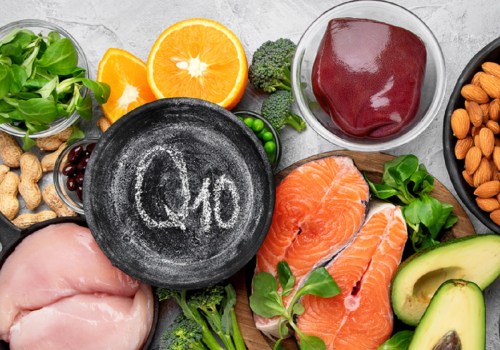
CoQ10 is best absorbed when taken with food, particularly meals that contain healthy fats. This enhances its bioavailability and ensures that your body can utilize it effectively. You can find CoQ10 in various forms, including soft gels, capsules, and even chewable tablets.Choose a form that fits your lifestyle and preferences. If you prefer a more natural approach, consider incorporating foods rich in CoQ10 into your diet. These include:
- Fatty fish (like salmon and mackerel)
- Nuts and seeds (especially peanuts and sesame seeds)
- Spinach and broccoli
- Whole grains (such as oats and wheat germ)
Frequently Asked Questions About CoQ10
As interest in CoQ10 continues to grow, many individuals have questions about its benefits, usage, and potential misconceptions. Below are some of the most frequently asked questions regarding this powerful compound.What is CoQ10 and how does it work?
CoQ10, or Coenzyme Q10, is a naturally occurring antioxidant found in the body, particularly in the mitochondria of cells. It plays a crucial role in energy production by facilitating the conversion of nutrients into adenosine triphosphate (ATP), the energy currency of cells.Additionally, CoQ10 helps protect cells from oxidative stress, which can lead to cellular damage.
Can CoQ10 help with heart health?
Yes, numerous studies suggest that CoQ10 may support heart health. It has been shown to improve endothelial function, reduce blood pressure, and enhance overall cardiovascular performance. Many cardiologists recommend it as a complementary treatment for patients with heart disease or those at risk.Is CoQ10 safe to take?
Generally, CoQ10 is considered safe for most people when taken in appropriate doses. However, it is always advisable to consult with a healthcare provider before starting any new supplement, especially for individuals on medications or those with underlying health conditions.Are there any side effects associated with CoQ10?
While CoQ10 is well-tolerated by many, some individuals may experience mild side effects such as gastrointestinal discomfort, nausea, or headaches. is well-tolerated by many, some individuals may experience mild side effects such as gastrointestinal discomfort, nausea, or headaches.These effects are typically transient and can often be mitigated by adjusting the dosage.
Can I get enough CoQ10 from my diet?
While certain foods contain CoQ10, such as fatty fish, organ meats, and whole grains, dietary sources alone may not provide sufficient amounts for therapeutic benefits. For those looking to achieve higher levels of CoQ10 for health purposes, supplementation may be necessary.What are some common myths about CoQ10?
- Myth: CoQ10 is only beneficial for older adults.
- Fact: While older adults may benefit from supplementation due to decreased natural production, individuals of all ages can experience advantages from CoQ10, especially those with specific health concerns.
- Myth: All CoQ10 supplements are the same.
- Fact: There are different forms of CoQ10, including ubiquinone and ubiquinol. Ubiquinol is the active form and may be more easily absorbed by the body.
- Myth: Taking more CoQ10 will always yield better results.
- Fact: More isn’t always better; it’s essential to follow recommended dosages and consult a healthcare professional for personalized advice.
Conclusion: The Future of CoQ10 in Cardiovascular Health
As we conclude our exploration of CoQ10 and its significant role in cardiovascular health, it is essential to reflect on the multifaceted benefits this powerful compound offers. Throughout this article, we have delved into the various ways in which CoQ10 contributes to heart health, from its antioxidant properties to its ability to enhance energy production within cells.These attributes are particularly vital for individuals suffering from cardiovascular diseases, where oxidative stress and energy depletion are common challenges. One of the most compelling aspects of CoQ10 is its potential to improve outcomes for patients with heart failure and other cardiac conditions. Clinical studies have demonstrated that supplementation can lead to improved heart function, reduced symptoms, and enhanced quality of life. This evidence underscores the importance of considering CoQ10 not just as a supplement but as a critical component of a comprehensive approach to cardiovascular care. Moreover, the safety profile of CoQ10 is another reason for its growing popularity among healthcare professionals. With minimal side effects reported, it presents a viable option for patients looking to support their heart health without the risks associated with many pharmaceutical interventions. As we look to the future, ongoing research will undoubtedly continue to uncover new insights into the mechanisms by which CoQ10 operates and its potential applications in various health contexts.
It is crucial for both patients and healthcare providers to stay informed about these developments, as they may further solidify CoQ10's role in preventive cardiology. Incorporating CoQ10 into your daily regimen could be a proactive step towards maintaining optimal heart health. However, it is always advisable to consult with a healthcare professional before starting any new supplement, especially for those with existing health conditions or those taking medications. In summary, the evidence supporting the use of CoQ10 in promoting cardiovascular health is compelling. As we continue to navigate the complexities of heart disease prevention and treatment, embracing natural compounds like CoQ10 may offer a promising avenue for enhancing patient outcomes and overall well-being.