CoQ10, clearly considered.
Understanding the Depletion of CoQ10: Causes, Effects, and Solutions
Explore the causes of CoQ10 depletion and discover effective solutions to maintain optimal levels for better health and energy.


Coenzyme Q10, commonly referred to as CoQ10, is a naturally occurring antioxidant found in every cell of the human body. It plays a pivotal role in the production of adenosine triphosphate (ATP), the primary energy carrier in cells. This essential nutrient not only supports energy production but also contributes to cellular health by neutralizing harmful free radicals. As a result, CoQ10 is vital for maintaining optimal health and well-being. The importance of CoQ10 extends beyond energy production; it is also crucial for cardiovascular health, immune function, and overall cellular maintenance.
Research has shown that adequate levels of CoQ10 can enhance heart function, improve exercise performance, and even support brain health. Furthermore, its antioxidant properties help protect cells from oxidative stress, which is linked to various chronic diseases, including heart disease and neurodegenerative disorders. Understanding the factors that lead to the depletion of CoQ10 is essential for anyone looking to maintain their health as they age. Natural levels of CoQ10 decline with age, and certain medical conditions and medications can further exacerbate this decrease. By recognizing the significance of CoQ10 and its benefits, individuals can take proactive steps to ensure they maintain sufficient levels of this vital nutrient throughout their lives.
What is CoQ10?
CoQ10
, or
coenzyme Q10
, is a naturally occurring antioxidant found in the cells of the body.
It plays a pivotal role in the production of energy within the mitochondria, which are often referred to as the "powerhouses" of the cell. CoQ10 is essential for the synthesis of adenosine triphosphate (ATP), the primary energy carrier in all living organisms. Without adequate levels of CoQ10, our cells struggle to produce sufficient energy, leading to fatigue and a host of other health issues. Biochemically, CoQ10 functions as a coenzyme that facilitates various enzymatic reactions involved in the electron transport chain, a critical component of cellular respiration. This process not only generates ATP but also helps in maintaining the balance of reactive oxygen species (ROS) within cells.
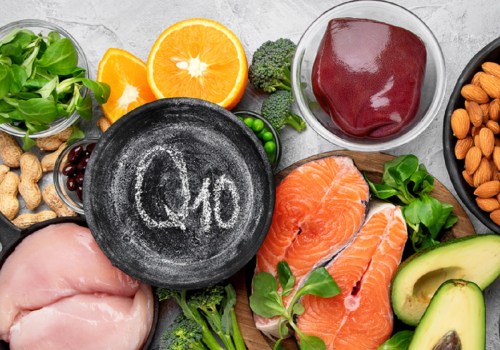
By neutralizing free radicals, CoQ10 protects cellular components from oxidative damage, thereby contributing to overall cellular health and longevity. In addition to its role in energy production and antioxidant defense, CoQ10 has been shown to support cardiovascular health by improving endothelial function and reducing oxidative stress on blood vessels. This is particularly important for individuals with heart disease or those at risk for cardiovascular conditions. Natural sources of CoQ10 include:
- Organ meats: Such as liver and heart, which are among the richest sources.
- Fatty fish: Including salmon, mackerel, and sardines.
- Nuts and seeds: Particularly peanuts and sesame seeds.
- Whole grains: Such as oats and wheat germ.
- Vegetables: Spinach, broccoli, and cauliflower also contain moderate amounts.
Causes of CoQ10 Depletion
The depletion of CoQ10 levels in the body can be attributed to several interrelated factors. Understanding these causes is essential for identifying personal risk factors and taking proactive measures to maintain optimal health.Aging and CoQ10
One of the most significant contributors to the decline in CoQ10 levels is the natural aging process.As individuals age, the body's ability to synthesize CoQ10 diminishes. This reduction can start as early as in a person's 20s and continues to decline with each passing decade. By the time individuals reach their 70s or 80s, CoQ10 levels can be significantly lower than those in younger adults. This decline is particularly concerning because CoQ10 is crucial for energy production within cells. As levels drop, individuals may experience increased fatigue, reduced physical performance, and a higher susceptibility to various health issues, including cardiovascular diseases and neurodegenerative disorders.
Medical Conditions Impacting CoQ10 Levels
In addition to aging, certain medical conditions can also lead to decreased levels of CoQ10. Research indicates that individuals suffering from chronic illnesses such as:- Heart disease: Patients with heart conditions often exhibit lower CoQ10 levels, which may exacerbate their health issues.
- Diabetes: This condition can impair the body's ability to produce CoQ10, further complicating metabolic processes.
- Cancer: Cancer patients frequently have diminished CoQ10 levels due to the disease's metabolic demands and the effects of treatments.
- Vitamin deficiencies: Deficiencies in vitamins such as B6, B12, and folate can hinder the synthesis of CoQ10.
- Hyperthyroidism: An overactive thyroid can disrupt normal metabolic functions, leading to lower CoQ10 production.
Medications Affecting CoQ10 Levels
Certain medications are known to deplete CoQ10 levels as well.Among these, statins, which are commonly prescribed to lower cholesterol, are particularly noteworthy. Statins work by inhibiting an enzyme called HMG-CoA reductase, which is also involved in the production of CoQ10. As a result, individuals taking statins may experience a further decline in their already low CoQ10 levels. This depletion can lead to side effects such as muscle pain and fatigue, which are often reported by patients on statin therapy. Therefore, it is crucial for individuals on these medications to discuss potential supplementation with their healthcare provider to mitigate these effects. In summary, understanding the various causes of CoQ10 depletion—ranging from aging and medical conditions to specific medications—can empower individuals to take informed steps toward maintaining their health and well-being.
Health Implications of Low CoQ10 Levels
Low levels of CoQ10 can lead to a variety of health issues, significantly impacting overall well-being. Understanding the symptoms and risks associated with low CoQ10 levels is crucial for early detection and intervention. One of the most common symptoms of CoQ10 deficiency is fatigue.Since CoQ10 plays a vital role in the production of adenosine triphosphate (ATP), the primary energy currency of our cells, insufficient levels can result in decreased energy production. Individuals may find themselves feeling unusually tired, even after adequate rest, which can affect daily activities and overall quality of life. Moreover, low CoQ10 levels have been linked to serious cardiovascular issues. Research indicates that individuals with heart disease often exhibit lower concentrations of this essential nutrient. The heart, being one of the most energy-demanding organs, relies heavily on CoQ10 for optimal function.
A deficiency can lead to:
- Increased risk of heart failure: Without sufficient CoQ10, the heart's ability to pump blood efficiently diminishes, potentially leading to heart failure.
- Hypertension: Low CoQ10 levels may contribute to elevated blood pressure, further straining the cardiovascular system.
- Arrhythmias: An imbalance in energy production can disrupt the heart's electrical system, leading to irregular heartbeats.
- Diabetes: Individuals with diabetes often have lower CoQ10 levels, which may exacerbate insulin resistance and metabolic dysfunction.
- Mitochondrial disorders: These genetic conditions affect cellular energy production and are often linked to inadequate CoQ10.
- Cognitive decline: Some studies suggest that low CoQ10 levels may be associated with neurodegenerative diseases like Alzheimer’s and Parkinson’s disease, as brain cells also require significant energy to function properly.
How to Maintain Adequate CoQ10 Levels
Maintaining adequate levels of CoQ10 is essential for optimal health, especially as we age or face certain health challenges. Fortunately, there are several effective strategies to boost your CoQ10 levels through dietary changes and supplementation.Dietary Sources of CoQ10
Incorporating foods rich in CoQ10 into your diet is one of the most natural ways to enhance your levels of this vital nutrient. Here are some excellent sources:- Organ Meats: Liver and heart are particularly high in CoQ10. Including these in your meals can significantly increase your intake.
- Fatty Fish: Fish such as salmon, mackerel, and sardines not only provide healthy omega-3 fatty acids but are also good sources of CoQ10.
- Nuts and Seeds: Peanuts, sesame seeds, and pistachios contain moderate amounts of CoQ10 and can be easily added to snacks or meals.
- Whole Grains: Foods like oats, wheat germ, and brown rice contribute to your daily CoQ10 intake while providing essential fiber.
- Vegetables: Spinach, broccoli, and cauliflower are among the vegetables that contain CoQ10. Incorporating a variety of these greens can help boost your levels.
CoQ10 Supplements
If dietary changes alone are insufficient or if you have specific health concerns, CoQ10 supplements can be a beneficial addition to your routine.Here are some key points to consider when choosing a supplement:
- Forms of CoQ10: Supplements typically come in two forms: ubiquinone and ubiquinol. Ubiquinol is the active form and may be more easily absorbed by the body, making it a preferred choice for many.
- Dosage: The recommended dosage can vary based on individual needs and health conditions. Common dosages range from 100 mg to 300 mg per day. It’s advisable to consult with a healthcare professional for personalized recommendations.
- Quality Matters: Look for supplements that have been tested for purity and potency.
Third-party testing can provide assurance that you are getting a high-quality product.
Choosing the Right CoQ10 Supplement
When it comes to selecting a CoQ10 supplement, understanding the different forms available and their respective benefits is crucial. The two primary forms of CoQ10 are ubiquinone and ubiquinol. Ubiquinone is the oxidized form, while ubiquinol is the reduced form that is more bioavailable, meaning it is easier for the body to absorb and utilize.For individuals over 40 or those with specific health conditions, ubiquinol may be the better choice due to its enhanced absorption capabilities. Another important factor to consider is the dosage of CoQ10. Most studies suggest a daily dosage ranging from 100 mg to 300 mg , depending on individual health needs and conditions. It’s advisable to start with a lower dose and gradually increase it while monitoring how your body responds. Always consult with a healthcare professional before beginning any new supplement regimen to determine the appropriate dosage for your specific situation. When evaluating CoQ10 supplements, pay close attention to the product labels. Here are some key aspects to look for:
- Ingredient Quality: Choose supplements that use high-quality ingredients without unnecessary fillers or additives.
- Form of CoQ10: As mentioned, opt for ubiquinol if you are looking for better absorption.
- Third-Party Testing: Look for products that have been tested by independent laboratories for purity and potency.
This ensures that what’s on the label matches what’s in the bottle.
- Bioavailability Enhancers: Some supplements include additional ingredients like black pepper extract (piperine) or oils that can enhance absorption.
Natural Ways to Boost CoQ10 Levels Through Diet
Maintaining optimal levels of CoQ10 is essential for energy production and overall health.One of the most effective ways to naturally boost your CoQ10 levels is through your diet. By incorporating specific foods that are rich in this vital nutrient, you can enhance your body's ability to produce energy and support cellular function. Here are some foods high in CoQ10 that you can easily add to your meals:
- Organ Meats: Liver and heart are among the richest sources of CoQ10. For instance, beef liver contains significantly high levels of this nutrient. Including organ meats in your diet a few times a month can provide a substantial boost.
- Fatty Fish: Fish such as salmon, mackerel, and sardines are not only excellent sources of omega-3 fatty acids but also contain good amounts of CoQ10. Aim to include fatty fish in your diet at least twice a week for optimal benefits.
- Nuts and Seeds: Nuts like peanuts, pistachios, and walnuts, as well as seeds such as sesame seeds, are great plant-based sources of CoQ10. Snacking on these can help increase your intake while providing healthy fats.
- Whole Grains: Foods like oats, wheat germ, and brown rice contain moderate amounts of CoQ10. Incorporating whole grains into your meals can contribute to your daily intake while also providing fiber and other essential nutrients.
- Vegetables: Certain vegetables such as spinach, broccoli, and cauliflower are known for their CoQ10 content. Adding these greens to salads or stir-fries can enhance both the nutritional value and flavor of your dishes.
- Legumes: Beans and lentils are not only rich in protein but also contain CoQ10. Including legumes in soups, stews, or salads can be an excellent way to boost your nutrient intake.
- Balance Your Diet: Ensure that you have a well-rounded diet that includes a variety of food groups.
This will not only help with CoQ10 levels but also support overall health.
- Avoid Processed Foods: Highly processed foods often lack essential nutrients, including CoQ10. Focus on whole, unprocessed foods to maximize your nutrient intake.
- Cook with Healthy Fats: Using healthy fats like olive oil or avocado oil in cooking can help enhance the absorption of fat-soluble nutrients like CoQ10.
FAQs About CoQ10 Depletion and Supplementation
As interest in CoQ10 continues to grow, many individuals have questions about its depletion and supplementation. Below are some of the most frequently asked questions that can help clarify common misconceptions and provide valuable insights.What causes CoQ10 depletion?
CoQ10 levels can decline due to several factors, including:- Aging: As we age, our bodies become less efficient at producing CoQ10, leading to lower levels.
- Medical Conditions: Certain health issues such as heart disease, diabetes, and cancer can contribute to decreased CoQ10 levels.
- Medications: Some medications, particularly statins used for lowering cholesterol, can inhibit the production of CoQ10.
How do I know if I need CoQ10 supplementation?
If you experience symptoms such as fatigue, muscle weakness, or have been diagnosed with a condition that affects energy production, you may benefit from CoQ10 supplementation. Consulting with a healthcare professional can provide personalized recommendations based on your health status.Are there any side effects associated with CoQ10 supplements?
Generally, CoQ10 is considered safe for most people when taken in appropriate doses.However, some individuals may experience mild side effects such as:
- Nausea
- Diarrhea
- Insomnia
What is the best form of CoQ10 supplement?
CoQ10 supplements are available in various forms, including:- Ubiquinone: The oxidized form of CoQ10, commonly found in supplements.
- Ubiquinol: The reduced form of CoQ10 that is more bioavailable and easier for the body to absorb.
Can I get enough CoQ10 from my diet?
While it is possible to obtain some CoQ10 from dietary sources, such as organ meats, fatty fish, and whole grains, the amounts are typically not sufficient for therapeutic benefits. Therefore, supplementation may be necessary for those looking to significantly boost their levels. Understanding these aspects of CoQ10 can empower you to make informed decisions regarding your health and wellness. Always consult with a healthcare professional before starting any new supplement regimen.Conclusion: The Importance of Monitoring CoQ10 Levels for Health
In summary, the significance of monitoring and maintaining adequate levels of CoQ10 cannot be overstated.This vital nutrient plays a crucial role in energy production, cellular health, and overall well-being. As we age, our bodies naturally experience a decline in CoQ10 levels, which can lead to various health issues, including fatigue, cardiovascular problems, and increased susceptibility to chronic diseases. Throughout this article, we have explored the multifaceted causes of CoQ10 depletion. Aging is a primary factor, but it is not the only one. Medical conditions such as heart disease, diabetes, and certain genetic disorders can significantly impact CoQ10 levels.
Additionally, medications like statins, commonly prescribed for cholesterol management, can further exacerbate this depletion by inhibiting the enzyme responsible for CoQ10 production. Given these factors, it is essential to take proactive steps to monitor and support our CoQ10 levels. Regular check-ups with healthcare professionals can help identify any deficiencies early on. Furthermore, incorporating CoQ10-rich foods into our diets—such as organ meats, fatty fish, and whole grains—can provide a natural boost to our nutrient levels. For those who may struggle to obtain sufficient CoQ10 through diet alone or are at higher risk of deficiency due to age or medication use, supplementation can be an effective solution. However, it is crucial to choose high-quality supplements and consult with a healthcare provider before starting any new regimen. Ultimately, maintaining optimal levels of CoQ10 is not just about preventing deficiencies; it is about enhancing our quality of life.
By prioritizing this essential nutrient, we can support our body's energy production processes and protect ourselves from oxidative stress and chronic diseases. In doing so, we empower ourselves to lead healthier, more vibrant lives.