CoQ10, clearly considered.
The Power of CoQ10: Unlocking Heart Health and Beyond
Discover the benefits of CoQ10 for heart health, energy production, fertility, and skin care. Unlock the potential of this powerful nutrient today.


CoQ10, or coenzyme Q10, is a vital nutrient that plays a significant role in the body’s energy production and overall health. Naturally occurring in every cell, CoQ10 is essential for the generation of adenosine triphosphate (ATP), the primary energy carrier in our cells. This coenzyme is particularly abundant in organs that require high energy levels, such as the heart, liver, and kidneys. As we age, however, our bodies produce less CoQ10, which can lead to various health issues and decreased energy levels. The importance of CoQ10 extends beyond mere energy production.
It functions as a powerful antioxidant, protecting cells from oxidative stress and damage caused by free radicals. This protective role is crucial in maintaining cellular health and preventing chronic diseases. Research has shown that low levels of CoQ10 are associated with several health conditions, including heart disease, diabetes, and neurodegenerative disorders. Understanding how CoQ10 works within the body can illuminate its potential benefits and applications. CoQ10 operates primarily within the mitochondria, the powerhouse of the cell, where it facilitates the conversion of nutrients into energy.
By participating in the electron transport chain, CoQ10 helps to generate ATP while simultaneously combating oxidative stress. This dual function not only supports energy metabolism but also contributes to overall cellular health. As a result, supplementing with CoQ10 may enhance energy levels, improve heart function, and provide protective benefits against various diseases. In summary, CoQ10 is a crucial coenzyme that supports energy production and acts as a potent antioxidant. Its natural occurrence in the body and its significant role in cellular function make it an essential nutrient for maintaining health and vitality.
As we delve deeper into the benefits of CoQ10 in subsequent sections, it becomes clear that this remarkable compound holds great promise for enhancing our well-being.
The Heart Health Benefits of CoQ10
CoQ10, or coenzyme Q10, plays a pivotal role in maintaining heart health, making it a vital nutrient for those concerned about cardiovascular well-being. This compound is integral to the production of adenosine triphosphate (ATP), the energy currency of our cells, particularly in the heart, which requires substantial energy to function effectively. Research has shown that CoQ10 can significantly improve heart function, especially in individuals suffering from heart disease. A meta-analysis of 14 studies indicated that patients with heart failure who supplemented with CoQ10 experienced a marked reduction in mortality risk and improved exercise capacity compared to those receiving a placebo. This suggests that CoQ10 not only supports energy production but also enhances overall cardiac performance. One of the most compelling benefits of CoQ10 is its ability to reduce oxidative stress, a condition characterized by an imbalance between free radicals and antioxidants in the body.Oxidative stress is known to contribute to the progression of heart disease by damaging blood vessels and promoting inflammation. CoQ10 acts as a powerful antioxidant, neutralizing free radicals and protecting the heart from oxidative damage. This protective effect is particularly crucial for individuals with existing cardiovascular conditions. In addition to its antioxidant properties, CoQ10 has been studied for its potential in treating heart failure. A randomized controlled trial found that patients with chronic heart failure who received CoQ10 supplementation showed significant improvements in left ventricular function and quality of life.
These findings highlight CoQ10's role as a complementary therapy for managing heart failure symptoms. Moreover, CoQ10 may also aid in lowering blood pressure, which is a significant risk factor for heart disease. Some studies have reported that individuals taking CoQ10 supplements experienced reductions in systolic and diastolic blood pressure levels, further supporting its cardiovascular benefits. In summary, the evidence supporting the use of CoQ10 for heart health is robust. From enhancing energy production and reducing oxidative stress to improving heart function and potentially lowering blood pressure, CoQ10 emerges as a powerful ally in the fight against heart disease. As always, individuals should consult healthcare professionals before starting any new supplement regimen to ensure it aligns with their specific health needs.
CoQ10 and Energy Production: Fueling Your Body
CoQ10, or coenzyme Q10, is a vital nutrient that plays a significant role in the production of adenosine triphosphate (ATP), the primary energy carrier in our cells.ATP is essential for fueling various biological processes, from muscle contractions to cellular repair. Without adequate levels of CoQ10, the body struggles to produce sufficient ATP, leading to feelings of fatigue and decreased vitality. As we age, our natural production of CoQ10 declines, which can significantly impact our energy levels. This decline is particularly noticeable in individuals over the age of 40, as well as those with certain health conditions such as heart disease or diabetes. When CoQ10 levels are low, the body may not generate enough ATP to meet its energy demands, resulting in chronic fatigue and a general sense of lethargy. Research has shown that supplementing with CoQ10 can enhance energy production by improving mitochondrial function.
Mitochondria are often referred to as the "powerhouses" of the cell because they are responsible for converting nutrients into ATP. By increasing the availability of CoQ10, these organelles can operate more efficiently, leading to improved energy output. Moreover, CoQ10's antioxidant properties help protect mitochondria from oxidative stress, which can further impair energy production. Oxidative stress occurs when there is an imbalance between free radicals and antioxidants in the body, leading to cellular damage. By mitigating this stress, CoQ10 not only supports ATP production but also promotes overall cellular health. For individuals experiencing fatigue or low energy levels, incorporating CoQ10 into their daily routine may provide a much-needed boost.
Studies have indicated that those who supplement with CoQ10 report increased energy levels and improved exercise performance. This is particularly beneficial for athletes or anyone engaged in regular physical activity, as enhanced ATP production can lead to better endurance and reduced fatigue during workouts. In conclusion, CoQ10 is essential for optimal energy production within the body. Its role in ATP synthesis and its ability to combat oxidative stress make it a powerful ally in maintaining vitality and combating fatigue. For those looking to enhance their energy levels naturally, considering a CoQ10 supplement may be a worthwhile option.
CoQ10's Role in Fertility: Enhancing Reproductive Health
Fertility is a complex interplay of various factors, and recent research has highlighted the significant role of CoQ10 in enhancing reproductive health for both men and women.This powerful antioxidant not only supports energy production in cells but also protects reproductive cells from oxidative stress, which can adversely affect fertility. In women, the quality of eggs is crucial for successful conception. As women age, the natural production of CoQ10 declines, leading to increased oxidative damage to eggs. Studies have shown that supplementing with CoQ10 can improve egg quality by reducing oxidative stress and enhancing mitochondrial function, which is vital for energy production in eggs. A study published in the journal Fertility and Sterility found that women undergoing in vitro fertilization (IVF) who took CoQ10 supplements experienced higher rates of fertilization and embryo quality compared to those who did not. For men, CoQ10 plays a similar protective role.
Sperm are also susceptible to oxidative damage, which can impair motility and overall function. Research indicates that CoQ10 supplementation can enhance sperm quality by improving sperm motility and concentration. A meta-analysis published in the journal Andrology concluded that men taking CoQ10 showed significant improvements in sperm parameters, suggesting its potential as a natural fertility booster. Moreover, CoQ10's antioxidant properties help combat inflammation and support overall reproductive health. By reducing oxidative stress, it may also contribute to better hormonal balance, which is essential for both male and female fertility. Incorporating CoQ10 into your daily routine can be a proactive step towards enhancing reproductive health.
It is available in various forms, including supplements and foods such as fatty fish, meat, and whole grains. However, it is always advisable to consult with a healthcare provider before starting any new supplement regimen. In summary, the benefits of CoQ10 for fertility are becoming increasingly recognized. By protecting eggs and sperm from oxidative damage and improving overall reproductive function, this nutrient offers a promising avenue for those looking to enhance their chances of conception naturally.
CoQ10 for Skin Health: A Natural Anti-Aging Solution
As the quest for youthful, radiant skin continues, many individuals are turning to natural solutions that offer effective results without harsh chemicals. One such solution is CoQ10, a powerful antioxidant that has gained recognition for its remarkable benefits in promoting skin health and combating the signs of aging. CoQ10, or coenzyme Q10, is naturally present in our bodies and plays a vital role in energy production at the cellular level.However, as we age, the levels of CoQ10 in our skin decrease, leading to a decline in its ability to combat oxidative stress and maintain skin vitality. This decline can result in visible signs of aging, such as fine lines, wrinkles, and loss of elasticity. One of the primary benefits of topical CoQ10 application is its ability to neutralize free radicals. Free radicals are unstable molecules that can damage skin cells and accelerate the aging process. By applying CoQ10 directly to the skin, you can enhance its antioxidant defenses, helping to protect against environmental stressors like UV radiation and pollution.
Benefits of CoQ10 for Skin Health
- Reduces the Appearance of Wrinkles: Studies have shown that CoQ10 can significantly reduce the depth of wrinkles and improve overall skin texture.
Regular use of CoQ10-infused products can lead to smoother, more youthful-looking skin.
- Enhances Skin Hydration: CoQ10 helps to improve moisture retention in the skin, which is essential for maintaining a plump and healthy appearance. Well-hydrated skin is less prone to dryness and irritation.
- Promotes Collagen Production: Collagen is a crucial protein that provides structure and elasticity to the skin. CoQ10 has been found to stimulate collagen synthesis, which can help restore firmness and reduce sagging.
- Improves Skin Tone: The antioxidant properties of CoQ10 can help even out skin tone by reducing hyperpigmentation and promoting a brighter complexion.
For optimal results, apply these products consistently as part of your daily regimen. Moreover, combining topical CoQ10 with other beneficial ingredients such as hyaluronic acid or vitamin E can enhance its effectiveness. These combinations not only provide additional hydration but also work synergistically to improve overall skin health. In conclusion, CoQ10 stands out as a natural anti-aging solution that offers numerous benefits for skin health. Its ability to combat oxidative stress, enhance hydration, and promote collagen production makes it an invaluable addition to any skincare routine aimed at achieving youthful and vibrant skin.
CoQ10 and Migraines: A Potential Relief Strategy
Migraines are a debilitating condition that affects millions of people worldwide, often leading to severe pain, nausea, and sensitivity to light and sound. Traditional treatments for migraines can include over-the-counter pain relievers, prescription medications, and lifestyle changes.However, many individuals are seeking alternative therapies that may offer relief without the side effects associated with conventional medications. One such alternative that has garnered attention is CoQ10, or coenzyme Q10. Research has indicated that CoQ10 may play a significant role in reducing the frequency and duration of migraines. A systematic review of multiple studies has shown promising results, suggesting that CoQ10 supplementation can lead to a decrease in the number of migraine attacks experienced by individuals. In one notable study, participants who took CoQ10 reported a reduction in the frequency of migraines by as much as 50% after just three months of supplementation. The mechanism behind CoQ10's effectiveness in treating migraines is believed to be linked to its role in mitochondrial function and energy production.
Mitochondria are the powerhouses of our cells, responsible for generating energy. Migraines have been associated with mitochondrial dysfunction, which can lead to increased oxidative stress and inflammation in the brain. By supplementing with CoQ10, individuals may enhance mitochondrial efficiency, thereby reducing oxidative stress and potentially alleviating migraine symptoms. In addition to frequency reduction, CoQ10 has also been shown to decrease the duration of migraine attacks. Participants in clinical trials reported shorter episodes when they experienced migraines while taking CoQ10 compared to those who did not receive supplementation.
This dual benefit makes CoQ10 an appealing option for those looking for effective migraine management strategies. For those considering CoQ10 as a treatment option for migraines, it is generally recommended to start with a dosage of 100 mg taken three times daily. However, it is essential to consult with a healthcare provider before beginning any new supplement regimen, especially for individuals who are pregnant, nursing, or taking other medications. In conclusion, while more research is needed to fully understand the extent of CoQ10's benefits for migraine sufferers, current evidence suggests that it may serve as a valuable addition to traditional treatment plans. By potentially reducing both the frequency and duration of migraine attacks, CoQ10 offers hope for those seeking relief from this challenging condition.
CoQ10's Impact on Diabetes Management
Diabetes is a chronic condition that affects millions of people worldwide, characterized by elevated blood sugar levels due to insulin resistance or insufficient insulin production. Managing diabetes effectively is crucial for preventing complications such as heart disease, kidney damage, and nerve issues.Recent studies have highlighted the potential role of CoQ10 (coenzyme Q10) in diabetes management, particularly in promoting blood sugar control and reducing oxidative stress. One of the primary ways CoQ10 may benefit individuals with diabetes is through its antioxidant properties. In people with diabetes, oxidative stress can exacerbate insulin resistance and contribute to complications. CoQ10 helps combat this oxidative stress by neutralizing free radicals, thereby protecting pancreatic cells that produce insulin. Research has shown that supplementing with CoQ10 can lead to improved insulin sensitivity. A study involving diabetic patients found that those who took CoQ10 supplements experienced a significant reduction in fasting blood sugar levels and improved hemoglobin A1c (HbA1c) levels, which reflect average blood glucose over time.
This suggests that CoQ10 may play a role in enhancing the body’s ability to utilize insulin effectively. Moreover, CoQ10 may also help reduce the risk factors associated with diabetes-related complications. For instance, it has been observed that CoQ10 supplementation can lower cholesterol levels and improve endothelial function, which is vital for maintaining healthy blood vessels. This is particularly important for individuals with diabetes, as they are at a higher risk for cardiovascular diseases. In addition to its effects on blood sugar control and cardiovascular health, CoQ10 may also support overall metabolic health. By improving mitochondrial function—the powerhouse of cells—CoQ10 enhances energy production and reduces fatigue, which can be beneficial for those managing diabetes. While the evidence supporting the use of CoQ10 in diabetes management is promising, it is essential for individuals to consult healthcare professionals before starting any new supplement regimen.
Integrating CoQ10 into a comprehensive diabetes management plan that includes a balanced diet, regular physical activity, and medication adherence may offer additional benefits in controlling blood sugar levels and reducing the risk of complications.
Sources of CoQ10: Dietary and Supplement Options
To harness the benefits of CoQ10, it is essential to understand the various dietary sources and supplement options available. This compound, vital for energy production and antioxidant protection, can be obtained through both food and supplements.Dietary Sources of CoQ10
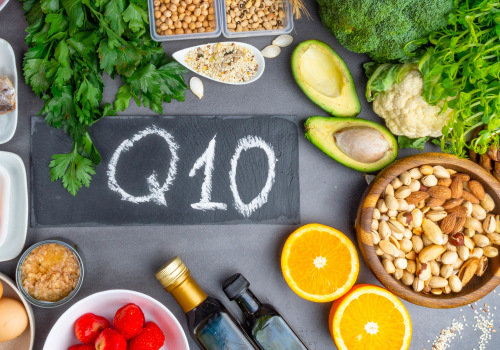
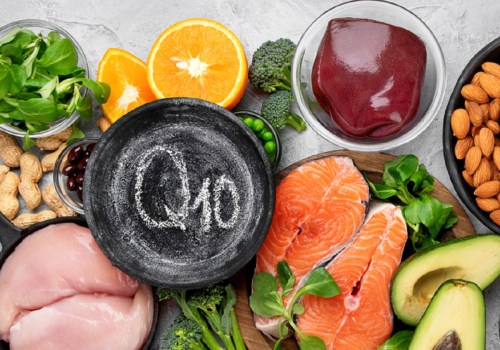
- Meat: Organ meats, particularly heart, liver, and kidney, are among the richest sources of CoQ10. For instance, beef heart contains significantly higher levels compared to other cuts.
- Fish: Fatty fish such as salmon, mackerel, and sardines not only provide healthy omega-3 fatty acids but also contribute to your CoQ10 intake.
- Poultry: Chicken and turkey are good sources of CoQ10, especially in the dark meat portions.
- Nuts and Seeds: Nuts like peanuts and pistachios, as well as seeds such as sesame seeds, offer moderate amounts of CoQ10.
- Vegetables: Certain vegetables like spinach, broccoli, and cauliflower contain CoQ10, although in smaller quantities compared to animal products.
- Legumes: Peas and beans can also contribute to your daily intake of this important nutrient.
- Oils: Some oils, particularly soybean oil and canola oil, contain small amounts of CoQ10.
CoQ10 Supplements
If dietary sources are inadequate or if you have specific health concerns that require higher levels of CoQ10, supplements can be a beneficial option. There are two primary forms of CoQ10 supplements available:
- Ubiquinone: This is the oxidized form of CoQ10 and is commonly found in supplements.
It must be converted by the body into ubiquinol to be utilized effectively.
- Ubiquinol: This is the reduced form of CoQ10 and is more bioavailable, meaning it is easier for the body to absorb. It may be a better choice for older adults or those with certain health conditions that impair absorption.
How to Take CoQ10
The recommended dosage of CoQ10 varies depending on individual health needs but typically ranges from 100 mg to 300 mg per day. It is advisable to take CoQ10 with meals that contain fat to enhance absorption. Always consult with a healthcare provider before starting any new supplement regimen to determine the appropriate dosage for your specific situation. In summary, whether through dietary sources or supplements, ensuring adequate intake of CoQ10 can play a significant role in supporting heart health and overall well-being.
Potential Side Effects and Considerations When Taking CoQ10
While CoQ10 is generally considered safe for most individuals, it is essential to be aware of potential side effects and interactions with medications.Understanding these factors can help ensure a safe and effective supplementation experience.
Common Side Effects
- Gastrointestinal Issues: Some users may experience mild gastrointestinal discomfort, including nausea, diarrhea, or stomach upset. These symptoms are typically transient and may subside as the body adjusts to the supplement.
- Headaches: A small number of individuals report headaches after starting CoQ10 supplementation. This could be due to changes in energy metabolism or blood flow.
- Insomnia: In some cases, CoQ10 may lead to difficulty sleeping, particularly if taken in high doses or close to bedtime. It is advisable to take CoQ10 earlier in the day to minimize this risk.
Is CoQ10 Safe?
For most people, CoQ10 is safe when taken at recommended dosages.
However, individuals with specific health conditions or those who are pregnant or breastfeeding should consult a healthcare provider before starting supplementation. Additionally, those with allergies to any components of CoQ10 supplements should avoid them.
Interactions with Medications
CoQ10 can interact with certain medications, which may affect their efficacy or increase the risk of side effects. Here are some notable interactions:
- Blood Thinners: CoQ10 may reduce the effectiveness of anticoagulants like warfarin. If you are on blood-thinning medication, it is crucial to discuss CoQ10 use with your doctor.
- Antihypertensive Medications: Since CoQ10 can lower blood pressure, it may enhance the effects of antihypertensive drugs, potentially leading to hypotension (low blood pressure).
- Chemotherapy Drugs: Some studies suggest that CoQ10 might interfere with certain chemotherapy agents.
Patients undergoing cancer treatment should consult their oncologist before using CoQ10.
Conclusion: Embracing the Power of CoQ10 for Optimal Health
In conclusion, the remarkable benefits of CoQ10 cannot be overstated. As we have explored throughout this article, this vital nutrient plays a crucial role in energy production and cellular health, making it an essential component for maintaining optimal well-being.From its significant impact on heart health to its potential in enhancing fertility and reducing oxidative stress, CoQ10 emerges as a powerhouse nutrient that warrants serious consideration. As we age, our bodies naturally produce less CoQ10, which can lead to various health challenges. This decline emphasizes the importance of supplementing with CoQ10, especially for individuals at risk of heart disease, those experiencing fertility issues, or anyone looking to improve their overall health. Incorporating CoQ10 into your daily routine can be a proactive step towards safeguarding your health. Moreover, the versatility of CoQ10 extends beyond just heart and reproductive health. Its antioxidant properties help combat oxidative stress, which is linked to numerous chronic diseases, including diabetes and neurodegenerative disorders.
By supporting mitochondrial function and reducing inflammation, CoQ10 can enhance physical performance and recovery, making it beneficial for athletes and active individuals alike. When considering CoQ10 supplementation, it is essential to choose high-quality products and consult with a healthcare professional to determine the appropriate dosage tailored to your individual needs. The average recommended dose is typically around 200 mg taken twice daily with food, but this may vary based on specific health conditions or goals. In summary, embracing the power of CoQ10 can lead to significant improvements in your health and quality of life. Whether you are looking to boost your heart function, enhance fertility, or simply support your body's natural defenses against aging and disease, CoQ10 offers a multitude of benefits that are too valuable to overlook. Make the informed choice today and consider integrating this remarkable nutrient into your wellness regimen for a healthier tomorrow.