CoQ10, clearly considered.
The Essential Role of CoQ10 in Supporting Brain and Organ Health
Discover the vital role of CoQ10 in supporting brain and organ health, energy production, and antioxidant protection.


Coenzyme Q10, commonly referred to as CoQ10, is a vital nutrient that plays a significant role in the body’s energy production and overall health. This naturally occurring antioxidant is found in every cell, where it assists in the conversion of nutrients into adenosine triphosphate (ATP), the primary energy carrier in cells. Without adequate levels of CoQ10, our cells would struggle to generate the energy necessary for optimal functioning, leading to fatigue and a host of other health issues. CoQ10 is synthesized in the body, primarily in the mitochondria, which are often dubbed the "powerhouses" of cells. However, several factors can influence its production, including age, diet, and certain medical conditions.
As we age, our natural levels of CoQ10 tend to decline, which can impact our cellular energy levels and overall vitality. Additionally, individuals with chronic diseases or those taking specific medications may experience further reductions in CoQ10 levels, making supplementation an important consideration for maintaining health. The benefits of CoQ10 extend beyond mere energy production. This powerful antioxidant helps protect cells from oxidative stress and inflammation, which are linked to various chronic diseases such as heart disease and neurodegenerative disorders. By neutralizing free radicals, CoQ10 supports cellular integrity and promotes longevity.
Furthermore, research has indicated that adequate levels of CoQ10 may enhance cognitive function and support brain health by improving blood flow and reducing oxidative damage. Understanding the biochemical role of CoQ10 is essential for appreciating its significance in maintaining health. As we delve deeper into the various benefits associated with this remarkable nutrient, it becomes clear that ensuring sufficient levels of CoQ10—whether through diet or supplementation—can be a key factor in promoting not only energy but also overall well-being.
The Health Benefits of CoQ10 for Brain Function
Coenzyme Q10, commonly referred to as CoQ10, is not only vital for cellular energy production but also plays a significant role in maintaining optimal brain health. As our brains are highly active organs, they require substantial energy to function effectively. CoQ10 contributes to this energy production, which is essential for cognitive processes such as memory, attention, and problem-solving. One of the primary benefits of CoQ10 for brain health is its ability to provide neuroprotection.The brain is particularly susceptible to oxidative stress due to its high oxygen consumption and lipid-rich environment. CoQ10 acts as a powerful antioxidant, neutralizing free radicals that can cause cellular damage. By reducing oxidative stress, CoQ10 helps protect neurons from degeneration and supports overall cognitive function. Research has indicated that CoQ10 may have a positive impact on various neurodegenerative diseases. For instance, studies suggest that individuals with conditions such as Alzheimer’s and Parkinson’s disease often exhibit lower levels of CoQ10 in their brains.
Supplementing with CoQ10 may help mitigate some of the symptoms associated with these diseases by enhancing mitochondrial function and reducing oxidative damage. Moreover, CoQ10 has been linked to improved cognitive function in healthy individuals as well. Some studies have shown that supplementation can lead to enhanced memory performance and increased mental clarity. This is particularly beneficial for older adults who may experience age-related cognitive decline. In addition to its direct effects on brain health, CoQ10 also supports cardiovascular health, which is closely tied to cognitive function. A healthy heart ensures adequate blood flow to the brain, delivering essential nutrients and oxygen necessary for optimal performance. In summary, the benefits of CoQ10 for brain health are multifaceted.
From providing energy for cognitive processes to offering neuroprotection against oxidative stress and supporting overall cardiovascular health, CoQ10 is a crucial nutrient for maintaining mental acuity and preventing neurodegenerative diseases. Incorporating CoQ10 through diet or supplementation can be a proactive step towards enhancing brain function and overall well-being.
CoQ10's Impact on Organ Health: Heart, Liver, and Beyond
Coenzyme Q10, commonly referred to as CoQ10, plays a pivotal role in maintaining the health of various organs, particularly the heart and liver. These organs are essential for overall bodily function, and their health can significantly impact our quality of life.Heart Health
The heart is one of the most energy-demanding organs in the body, requiring a constant supply of energy to function effectively. CoQ10 is integral to the production of adenosine triphosphate (ATP), the energy currency of cells.
By facilitating ATP synthesis, CoQ10 helps ensure that the heart muscle receives the energy it needs to pump blood efficiently.
Research has shown that individuals with heart conditions often have lower levels of CoQ10. Supplementing with CoQ10 may improve heart function, reduce symptoms of heart failure, and enhance exercise capacity. Additionally, CoQ10 has been found to have antioxidant properties, which can help protect heart cells from oxidative stress and inflammation, both of which are contributors to cardiovascular diseases.
Liver Function
The liver is another organ that benefits significantly from adequate levels of CoQ10. This organ is responsible for numerous vital functions, including detoxification, metabolism, and protein synthesis. CoQ10 supports liver health by promoting energy production within liver cells, which is crucial for these metabolic processes.
Moreover, studies suggest that CoQ10 may help mitigate liver damage caused by various factors such as alcohol consumption and certain medications. By reducing oxidative stress and inflammation in the liver, CoQ10 can play a protective role against conditions like fatty liver disease and hepatitis.
Broader Organ Support
Beyond the heart and liver, CoQ10 contributes to the health of other organs as well.
Its role in energy production extends to muscles, kidneys, and even the brain. For instance, in muscle tissues, CoQ10 helps improve endurance and reduce fatigue during physical activity. In the kidneys, it aids in maintaining proper filtration and detoxification processes. In summary, ensuring adequate levels of CoQ10 through diet or supplementation can have profound effects on organ health. By supporting energy production and providing antioxidant protection, CoQ10 plays a crucial role in maintaining the functionality of vital organs like the heart and liver while also benefiting other systems throughout the body.
Signs of CoQ10 Deficiency: Are You Getting Enough?
Understanding the signs of CoQ10 deficiency is crucial for maintaining optimal health.As this vital nutrient plays a significant role in energy production and cellular function, recognizing its deficiency can help individuals take proactive steps toward better health. Some common symptoms associated with low levels of CoQ10 include:
- Fatigue and Low Energy: One of the most prevalent signs of CoQ10 deficiency is persistent fatigue. Individuals may feel unusually tired, even after adequate rest, as their cells struggle to produce energy efficiently.
- Muscle Weakness: A lack of CoQ10 can lead to muscle weakness and decreased physical performance. This is particularly noticeable during exercise or physical activity.
- Heart Health Issues: CoQ10 is essential for cardiovascular health. Symptoms such as chest pain, irregular heartbeats, or shortness of breath may indicate a deficiency.
- Cognitive Decline: Low levels of CoQ10 have been linked to cognitive issues, including memory loss and difficulty concentrating.
This is especially concerning for older adults.
- Migraines: Some studies suggest that individuals suffering from migraines may have lower levels of CoQ10, making it a potential factor in headache management.
- Gum Disease: CoQ10 plays a role in oral health, and its deficiency can contribute to gum disease and other dental issues.
By recognizing these symptoms early and seeking appropriate testing and treatment, you can enhance your overall well-being and support your brain and organ health effectively.
Sources of CoQ10: Dietary and Supplement Options
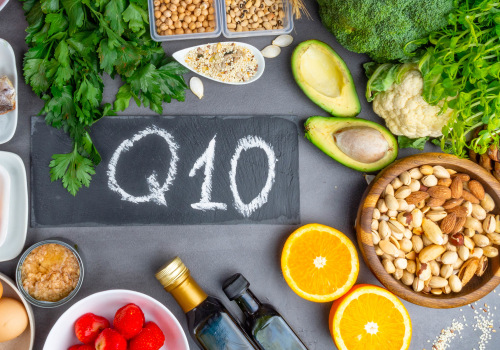
To effectively boost your levels of CoQ10, it’s essential to understand both dietary sources and the role of supplements. This coenzyme is naturally present in various foods, but the amounts can vary significantly. Incorporating these foods into your diet can help maintain adequate levels of CoQ10.Dietary Sources of CoQ10
Some of the best food sources of CoQ10 include:- Fatty Fish: Fish such as salmon, mackerel, and sardines are rich in CoQ10 and also provide healthy omega-3 fatty acids.
- Meats: Organ meats like liver and heart are particularly high in CoQ10. Beef and chicken also contain moderate amounts.
- Nuts and Seeds: Peanuts, sesame seeds, and pistachios are good plant-based sources of this vital nutrient.
- Vegetables: Spinach, broccoli, and cauliflower offer smaller amounts of CoQ10 but can contribute to your overall intake.
- Whole Grains: Foods like oats and wheat germ contain CoQ10, making them a beneficial addition to your diet.
The Role of Supplements
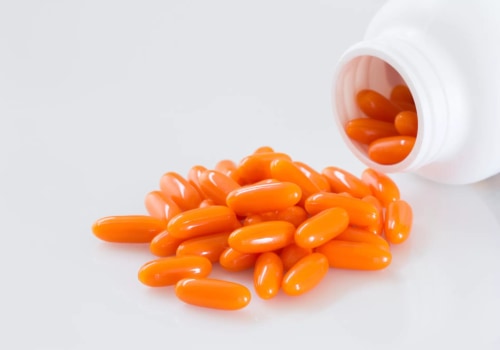
For those looking to enhance their CoQ10 intake, supplements can be an effective option. However, not all supplements are created equal.When choosing a CoQ10 supplement, consider the following factors:
- Formulation: Look for supplements that contain ubiquinone or ubiquinol. Ubiquinol is the active form of CoQ10 and is often better absorbed by the body.
- Bioavailability: Supplements that use enhanced absorption technologies can significantly improve how much CoQ10 your body can utilize. Liposomal formulations or those combined with oils may offer better absorption rates.
- Dose: Typical dosages range from 100 mg to 300 mg per day. Consult with a healthcare provider to determine the right dosage for your needs.
For instance, taking CoQ10 with a meal that contains fat can enhance its absorption due to its fat-soluble nature. Additionally, certain medications, such as statins, can deplete natural levels of CoQ10 in the body, making supplementation even more critical for those individuals. By understanding both dietary sources and effective supplementation options for CoQ10, you can take proactive steps toward improving your overall health and well-being.
CoQ10 and Statins: Understanding the Connection
Statins are widely prescribed medications used to lower cholesterol levels and reduce the risk of cardiovascular diseases. While they are effective in managing cholesterol, one significant downside is their potential to deplete natural levels of CoQ10 in the body. Understanding this connection is crucial for anyone undergoing statin therapy. CoQ10, or coenzyme Q10, is a vital nutrient that plays a key role in energy production within cells and acts as a powerful antioxidant.It is particularly abundant in the heart, liver, and kidneys, where energy demands are high. Statins work by inhibiting an enzyme involved in cholesterol synthesis, which inadvertently also affects the production of CoQ10. This can lead to a deficiency that may manifest in various ways. Some common side effects associated with statin use include:
- Muscle pain and weakness
- Fatigue
- Digestive issues
- Headaches
- Liver enzyme abnormalities
Taking a high-quality CoQ10 supplement can help restore optimal levels of this essential nutrient, thereby alleviating some of the side effects associated with statin therapy. It is advisable for individuals on statins to consult with their healthcare provider about incorporating CoQ10 into their regimen. In summary, while statins play a crucial role in managing cholesterol and reducing cardiovascular risk, they can also lead to a decrease in natural CoQ10 levels. Understanding this interaction highlights the importance of monitoring CoQ10 status and considering supplementation as a means to maintain overall health and well-being during statin therapy.
Research Insights: The Science Behind CoQ10 Benefits
Recent research has significantly advanced our understanding of CoQ10 and its myriad health benefits. Numerous studies have explored its role in various health conditions, particularly concerning cardiovascular health, neuroprotection, and overall cellular function. One pivotal study published in the Journal of the American College of Cardiology examined the effects of CoQ10 supplementation on patients with heart failure.The randomized controlled trial involved over 400 participants and demonstrated that those receiving CoQ10 showed marked improvements in heart function and a reduction in symptoms compared to the placebo group. This suggests that CoQ10 may play a vital role in enhancing cardiac efficiency and reducing the burden of heart disease. In addition to cardiovascular benefits, CoQ10 has been studied for its neuroprotective properties. A systematic review in the Journal of Neurochemistry highlighted several clinical trials indicating that CoQ10 supplementation could slow the progression of neurodegenerative diseases such as Parkinson's and Alzheimer's. The antioxidant properties of CoQ10 help mitigate oxidative stress, which is a significant factor in neuronal damage. Moreover, a meta-analysis published in The Cochrane Database of Systematic Reviews evaluated multiple clinical trials focusing on CoQ10's efficacy in improving energy levels and reducing fatigue, particularly in individuals with chronic fatigue syndrome and fibromyalgia.
The findings revealed that participants who supplemented with CoQ10 reported significant improvements in energy levels and overall quality of life. Furthermore, research has also indicated that CoQ10 may enhance exercise performance. A study published in the European Journal of Nutrition found that athletes who supplemented with CoQ10 experienced improved exercise capacity and reduced muscle soreness post-exercise. This suggests that CoQ10 could be beneficial not only for those with health conditions but also for athletes seeking to optimize their performance. In summary, the scientific evidence supporting the benefits of CoQ10 is robust and continues to grow. From improving heart health to providing neuroprotection and enhancing physical performance, CoQ10 emerges as a crucial nutrient for maintaining optimal health.
As research progresses, it is likely that we will uncover even more about this remarkable coenzyme's potential.
Frequently Asked Questions About CoQ10
As interest in CoQ10 continues to grow, so do the questions surrounding its benefits, safety, and usage. Below are some of the most frequently asked questions about this vital nutrient.What is CoQ10 and why is it important?
CoQ10, or coenzyme Q10, is a naturally occurring antioxidant found in every cell of the body. It plays a crucial role in energy production within the mitochondria, which are the powerhouses of our cells. This nutrient is essential for maintaining optimal cellular function and protecting against oxidative stress, which can lead to various health issues.Can I get enough CoQ10 from my diet?
While certain foods contain CoQ10, such as fatty fish, organ meats, and whole grains, it can be challenging to obtain sufficient amounts through diet alone.Factors like age, health conditions, and medications can affect your body's natural production of CoQ10. Therefore, supplementation may be necessary for those at risk of deficiency.
Are there any common myths about CoQ10?
- Myth 1: CoQ10 is only for older adults.
- Myth 2: All CoQ10 supplements are the same.
- Myth 3: CoQ10 can replace prescribed medications.
Is CoQ10 safe to take?
Generally, CoQ10 is considered safe for most people when taken in recommended doses. However, some individuals may experience mild side effects such as gastrointestinal discomfort or headaches. It’s always advisable to consult with a healthcare professional before starting any new supplement, especially if you are pregnant, nursing, or taking other medications.How do I know if I need CoQ10 supplements?
If you experience symptoms like fatigue, muscle weakness, or have been diagnosed with conditions that affect your energy levels (such as heart disease), you may benefit from CoQ10 supplementation. A healthcare provider can help assess your levels and recommend appropriate dosages. In conclusion, understanding CoQ10, its benefits, and addressing common misconceptions can empower individuals to make informed decisions about their health.Always prioritize consulting with a healthcare professional for personalized advice.
Conclusion: The Vital Role of CoQ10 in Health Maintenance
In summary, the significance of CoQ10 in maintaining optimal brain and organ health cannot be overstated. This essential coenzyme plays a pivotal role in cellular energy production, which is crucial for the proper functioning of our organs and cognitive processes. As we age, our natural levels of CoQ10 tend to decline, leading to potential deficiencies that can adversely affect our health. Throughout this article, we have explored various aspects of CoQ10, including its role in:- Energy Production: CoQ10 is integral to the mitochondrial function, where it helps convert nutrients into energy. This process is vital for sustaining the energy demands of our cells, particularly in high-energy organs like the heart and brain.
- Antioxidant Protection: CoQ10 acts as a powerful antioxidant, protecting cells from oxidative stress and inflammation.
This protective effect is especially important for brain health, as oxidative damage is linked to neurodegenerative diseases.
- Heart Health: Research indicates that adequate levels of CoQ10 can support cardiovascular health by improving blood vessel function and reducing blood pressure.
- Statin Use: For individuals taking statin medications, supplementing with CoQ10 is crucial to counteract the depletion caused by these drugs, thereby helping to maintain energy levels and overall well-being.