CoQ10, clearly considered.
Unlocking the Benefits of CoQ10 for Heart Health
Discover how CoQ10 supports heart health through energy production and antioxidant protection. Learn about its benefits and supplementation.

Coenzyme Q10, commonly referred to as CoQ10, is a naturally occurring antioxidant found in the cells of the human body. It plays a crucial role in the production of adenosine triphosphate (ATP), which is the primary energy carrier in all living organisms. This energy production is vital for maintaining the health and function of various organs, particularly the heart. As we age, the levels of CoQ10 in our bodies tend to decline, which can lead to decreased energy production and increased oxidative stress, both of which are detrimental to heart health. Understanding how CoQ10 works is essential for appreciating its benefits.
This powerful antioxidant helps neutralize free radicals—unstable molecules that can cause cellular damage and contribute to various health issues, including cardiovascular diseases. By reducing oxidative stress, CoQ10 not only protects heart cells but also enhances their ability to generate energy efficiently. This dual action makes it a key player in supporting overall cardiovascular function. The benefits of coenzyme Q10 extend beyond just energy production and antioxidant protection. Research has shown that CoQ10 supplementation can improve symptoms in individuals with heart failure, lower blood pressure, and even enhance recovery after heart attacks.
Additionally, it has been linked to improved exercise performance and reduced fatigue, making it an appealing option for those looking to boost their heart health and overall vitality. Incorporating CoQ10 into your daily routine may offer significant advantages for your cardiovascular system. Whether through dietary sources or supplements, understanding its role and benefits can empower you to make informed decisions about your heart health.
The Role of CoQ10 in Energy Production
Coenzyme Q10, commonly referred to as CoQ10, plays a pivotal role in the production of energy within our cells, particularly in the heart. This compound is integral to the function of mitochondria, the powerhouse of the cell, where it facilitates the conversion of nutrients into adenosine triphosphate (ATP), the primary energy currency of the body. The process begins when food is metabolized, breaking down carbohydrates, fats, and proteins into smaller molecules. These molecules then enter the mitochondria, where CoQ10 is essential for the electron transport chain—a series of reactions that generate ATP.Without adequate levels of CoQ10, this process can become inefficient, leading to decreased energy production and increased oxidative stress. In heart cells, which require a constant supply of energy to function effectively, the presence of CoQ10 is particularly crucial. The heart is one of the most metabolically active organs in the body, and its cells rely heavily on ATP for contraction and relaxation. Research has shown that individuals with heart conditions often have lower levels of CoQ10, which can contribute to fatigue and reduced cardiac function. Moreover, CoQ10 also acts as a powerful antioxidant. It helps neutralize free radicals that can damage cells and tissues, including those in the heart.
By reducing oxidative stress, CoQ10 not only supports energy production but also protects heart cells from potential harm. Studies have indicated that supplementation with CoQ10 can enhance mitochondrial function and improve energy levels in individuals with heart disease. For instance, patients with congestive heart failure who took CoQ10 reported significant improvements in their exercise capacity and overall quality of life. In summary, CoQ10 is vital for energy production at the cellular level, especially in heart cells. Its role in mitochondrial function and as an antioxidant underscores its importance in maintaining cardiovascular health and enhancing overall energy levels.
CoQ10 as an Antioxidant: Protecting Heart Health
Coenzyme Q10, commonly known as CoQ10, is not just a vital component for energy production in our cells; it also plays a crucial role as an antioxidant, particularly in protecting heart health. Antioxidants are substances that help neutralize free radicals—unstable molecules that can cause oxidative stress and damage to cells.This oxidative stress is a significant contributor to the development of various heart diseases, making the antioxidant properties of CoQ10 essential for maintaining cardiovascular health. Oxidative stress occurs when there is an imbalance between free radicals and antioxidants in the body. When free radicals accumulate, they can lead to inflammation, damage to blood vessels, and ultimately contribute to conditions such as atherosclerosis, hypertension, and heart failure. By supplementing with CoQ10, individuals may enhance their body's ability to combat these harmful effects.
How CoQ10 Protects the Heart
The heart is particularly susceptible to oxidative damage due to its high oxygen consumption and metabolic activity. CoQ10 helps protect heart cells by:- Neutralizing Free Radicals: CoQ10 directly scavenges free radicals, reducing their harmful effects on heart tissue.
- Reducing Inflammation: Chronic inflammation is a risk factor for heart disease.
CoQ10 has been shown to lower inflammatory markers in the body.
- Improving Endothelial Function: The endothelium is the thin layer of cells lining blood vessels. CoQ10 supports endothelial health, promoting better blood flow and reducing the risk of clot formation.
The Role of Antioxidants in Heart Disease Prevention
Incorporating antioxidants like CoQ10 into your diet or supplement regimen can be a proactive approach to heart disease prevention.While many people associate antioxidants with fruits and vegetables, CoQ10 offers a unique advantage due to its direct involvement in cellular energy production and its ability to protect against oxidative stress. In conclusion, the antioxidant properties of CoQ10 are instrumental in safeguarding heart health. By combating oxidative stress and supporting overall cardiovascular function, CoQ10 not only helps prevent heart disease but also enhances the quality of life for those already affected by heart conditions. As research continues to unfold, it becomes increasingly clear that this powerful antioxidant should be considered an essential component of any heart-healthy lifestyle.
Clinical Evidence Supporting CoQ10 for Heart Health
Numerous clinical studies have explored the role of CoQ10 in enhancing heart health, particularly in patients suffering from heart failure and those recovering from cardiac events. The findings from these studies provide compelling evidence of the supplement's effectiveness. One landmark study published in the Journal of the American College of Cardiology involved 420 patients with severe heart failure.Participants were administered CoQ10 alongside standard heart failure treatments. The results were significant: those taking CoQ10 experienced a marked reduction in mortality rates compared to those receiving only conventional therapies. This study underscores the potential of CoQ10 as a vital adjunct therapy for individuals with serious heart conditions. Another pivotal trial focused on patients who had recently suffered a heart attack. In this randomized controlled study, individuals who began taking CoQ10 within three days post-attack showed a significantly lower incidence of subsequent heart attacks and cardiovascular-related deaths.
This suggests that early intervention with CoQ10 may enhance recovery and improve long-term outcomes for heart attack survivors. Furthermore, a meta-analysis encompassing multiple studies highlighted the benefits of CoQ10 in reducing blood pressure levels. Participants who supplemented with CoQ10 experienced an average decrease in systolic blood pressure, which is crucial for overall cardiovascular health. Lower blood pressure can alleviate strain on the heart, potentially leading to improved function and reduced risk of heart disease. In addition to these findings, research has indicated that CoQ10 may improve exercise capacity in patients with chronic heart failure. A study published in The European Journal of Heart Failure demonstrated that patients who supplemented with CoQ10 reported enhanced physical performance and reduced fatigue during exercise, contributing to a better quality of life. Overall, the clinical evidence supporting the use of CoQ10 for heart health is robust and growing.
As more studies emerge, it becomes increasingly clear that this powerful antioxidant not only supports energy production at the cellular level but also plays a critical role in improving cardiovascular outcomes for those at risk or suffering from heart-related conditions.
How to Incorporate CoQ10 into Your Daily Routine
Incorporating CoQ10 into your daily routine can be a straightforward process, but it’s essential to understand the various forms available, recommended dosages, and the best practices for taking this powerful supplement.Understanding CoQ10 Forms
CoQ10 is available in several forms, each with its unique benefits:- Softgels and Capsules: These are the most common forms and are easy to swallow. They typically contain oil-based CoQ10, which may enhance absorption.
- Chewable Tablets: Ideal for those who have difficulty swallowing pills, these tablets come in various flavors and can be a pleasant way to take your supplement.
- Liquid Form: This form allows for flexible dosing and is often absorbed more quickly than solid forms. It can be mixed with beverages for easier consumption.
- Powdered Form: Available in packets, powdered CoQ10 can be added to smoothies or other foods, making it a versatile option.
- Intravenous CoQ10: Typically used in clinical settings, this form is reserved for patients with severe deficiencies or specific medical conditions.
Recommended Dosage of CoQ10
The appropriate dosage of CoQ10 can vary based on individual health needs and conditions. Here are some general guidelines:- General Health: For overall wellness, a daily dose of 100 mg to 200 mg is often recommended.
- Heart Health: Individuals with heart conditions may benefit from higher doses, typically ranging from 200 mg to 600 mg per day, but it’s crucial to consult with a healthcare provider.
- Migraine Prevention: Studies suggest that doses between 100 mg and 300 mg may help reduce the frequency of migraines.
Always consult with a healthcare professional before beginning any new supplement regimen.
Best Practices for Taking CoQ10
To maximize the benefits of CoQ10, consider the following tips:- Take with Food: Consuming CoQ10 with a meal that contains healthy fats can enhance its absorption due to its fat-soluble nature.
- Avoid High Doses at Once: Splitting your daily dose into two or three smaller doses throughout the day can improve absorption and effectiveness.
- Consistency is Key: Regular intake is essential for experiencing the full benefits of CoQ10. Try to take it at the same time each day to establish a routine.
Potential Side Effects and Considerations When Taking CoQ10
While CoQ10 is generally considered safe for most individuals, it is important to be aware of potential side effects and interactions with other medications. Understanding these factors can help ensure that you use this supplement effectively and safely.Common Side Effects
- Gastrointestinal Issues: Some users may experience mild gastrointestinal discomfort, including nausea, diarrhea, or stomach upset. These symptoms are usually temporary and can often be alleviated by taking CoQ10 with food.
- Allergic Reactions: Although rare, some individuals may have an allergic reaction to CoQ10. Symptoms can include rash, itching, or swelling. If you experience any of these symptoms, discontinue use and consult a healthcare professional.
- Fatigue or Insomnia: A small number of users report feeling unusually tired or having difficulty sleeping after starting CoQ10. If you notice these effects, consider adjusting the timing of your dosage or consulting with a healthcare provider.
Is CoQ10 Safe?
For most people, CoQ10 is safe when taken in appropriate doses.
The typical dosage ranges from 100 to 300 mg per day, but higher doses may be recommended for specific health conditions. It is advisable to consult with a healthcare provider before starting any new supplement regimen, especially if you have underlying health issues or are pregnant or breastfeeding.
Interactions with Medications
CoQ10 can interact with certain medications, which may affect their efficacy or increase the risk of side effects. Here are some key interactions to be aware of:
- Blood Thinners: CoQ10 may reduce the effectiveness of anticoagulant medications such as warfarin. If you are on blood thinners, it is crucial to discuss CoQ10 supplementation with your doctor.
- Antihypertensive Drugs: Since CoQ10 can lower blood pressure, it may enhance the effects of antihypertensive medications, potentially leading to hypotension (low blood pressure).
Monitor your blood pressure regularly if you are taking both.
- Chemotherapy Agents: Some studies suggest that CoQ10 might interfere with certain chemotherapy drugs. If you are undergoing cancer treatment, consult your oncologist before adding CoQ10 to your regimen.
Frequently Asked Questions About CoQ10 and Heart Health
As interest in CoQ10 continues to grow, many individuals have questions regarding its role in heart health. Below are some of the most frequently asked questions that can help clarify common misconceptions and provide valuable insights.What is CoQ10 and how does it benefit heart health?
Coenzyme Q10, or CoQ10, is a naturally occurring antioxidant found in the body, particularly in the heart, liver, and kidneys.It plays a crucial role in energy production within cells and helps protect them from oxidative stress. For heart health, CoQ10 is known to improve energy levels in heart cells, enhance blood flow, and reduce inflammation, which can be particularly beneficial for individuals with heart disease.
Can CoQ10 help lower blood pressure?
Yes, several studies suggest that CoQ10 supplementation may help lower blood pressure. Research indicates that it can lead to a modest reduction in systolic and diastolic blood pressure, making it a potential adjunct therapy for those managing hypertension.Is CoQ10 safe to take with other medications?
Generally, CoQ10 is considered safe for most people. However, it may interact with certain medications, particularly blood thinners like warfarin.It’s essential to consult with a healthcare provider before starting any new supplement regimen to ensure safety and efficacy.
Are there any side effects associated with CoQ10?
While CoQ10 is well-tolerated by most individuals, some may experience mild side effects such as gastrointestinal discomfort, nausea, or headaches. These effects are typically transient and can often be minimized by taking the supplement with food.Can I get enough CoQ10 from my diet?
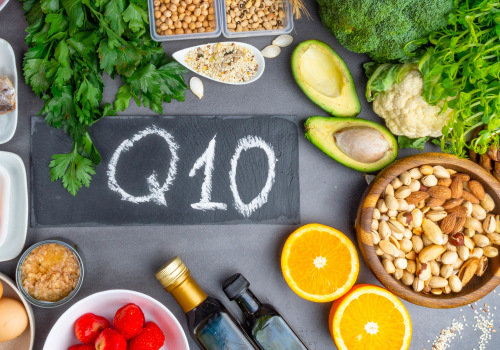
While certain foods contain CoQ10—such as fatty fish, organ meats, spinach, and whole grains—achieving therapeutic levels through diet alone can be challenging. For those with specific health conditions or increased needs, supplementation may be necessary.What are some common myths about CoQ10?
- Myth: CoQ10 is only beneficial for older adults.
- Fact: While older adults may benefit more due to decreased natural production of CoQ10, individuals of all ages can experience its advantages.
- Myth: All forms of CoQ10 are the same.
- Fact: There are two forms: ubiquinone (oxidized) and ubiquinol (reduced). Ubiquinol is more bioavailable and may be more effective for some individuals.
Always consult with a healthcare professional for personalized advice tailored to your specific needs.
Conclusion: The Future of CoQ10 in Heart Health Management
As we conclude our exploration of CoQ10 and its profound impact on heart health, it is essential to reflect on the significant findings that underscore its role in cardiovascular wellness. The evidence supporting the benefits of CoQ10 is not only compelling but also increasingly relevant in today's health landscape, where heart disease remains a leading cause of mortality. Throughout this article, we have examined how Coenzyme Q10 functions as a powerful antioxidant, protecting cells from oxidative stress while enhancing energy production within the heart. This dual action is particularly crucial for individuals suffering from heart-related conditions, as it can lead to improved heart function and overall quality of life. Moreover, clinical studies have demonstrated that incorporating CoQ10 into treatment regimens can significantly reduce mortality rates among patients with severe heart failure. The findings from these studies highlight the potential of CoQ10 not just as a supplement but as a vital component of comprehensive heart health management. In addition to its protective effects, CoQ10 has shown promise in reducing blood pressure and alleviating symptoms associated with various cardiovascular diseases.This makes it an attractive option for those looking to enhance their heart health naturally. As we look to the future, it is clear that further research is needed to fully understand the mechanisms through which CoQ10 exerts its effects. However, the current body of evidence suggests that this nutrient could play a pivotal role in preventive cardiology and the management of existing heart conditions. For individuals considering CoQ10 supplementation, it is advisable to consult with healthcare professionals to determine the appropriate dosage and form that best suits their needs. As more people become aware of the benefits of CoQ10, we may see a shift towards integrating this powerful antioxidant into standard heart health protocols. In summary, the future of CoQ10 in heart health management looks promising. By embracing its potential benefits, we can take proactive steps towards maintaining cardiovascular health and improving outcomes for those affected by heart disease.