CoQ10, clearly considered.
The Power of CoQ10: Unlocking Its Incredible Benefits for Health and Wellness
Discover the powerful health benefits of CoQ10, from boosting energy to supporting heart health and combating oxidative stress.
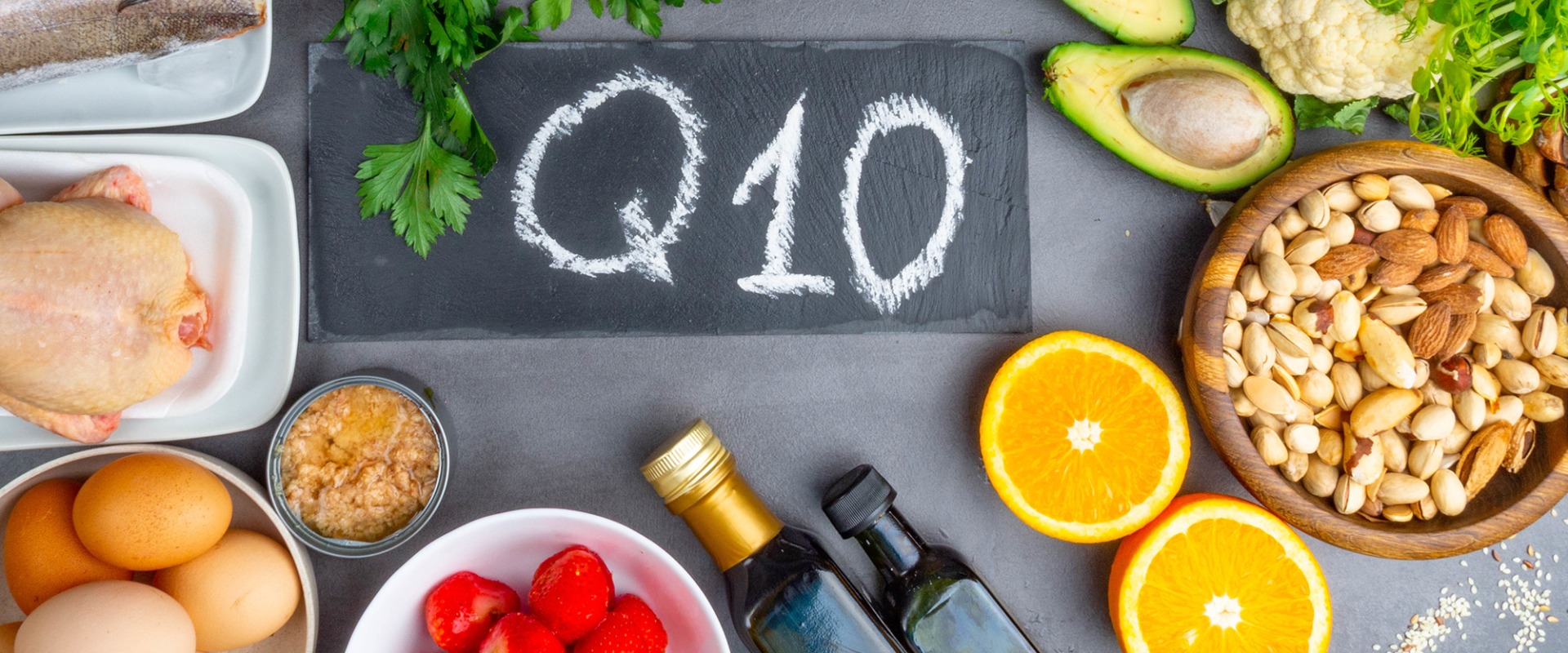

Coenzyme Q10, commonly referred to as CoQ10, is a vital nutrient that plays a crucial role in the production of energy within our cells. This naturally occurring compound is found in every cell of the human body, primarily in the mitochondria, which are often described as the "powerhouses" of the cell. Mitochondria are responsible for converting nutrients into adenosine triphosphate (ATP), the energy currency that fuels various cellular processes. As we age, however, our bodies produce less CoQ10 100mg softgelsCoQ10 100mg softgels, which can lead to decreased energy levels and an increased risk of various health issues.
Additionally, CoQ10 has been noted for its potential benefits as a natural blood thinner, further emphasizing the significance of maintaining adequate levels for overall health. The importance of Additionally, CoQ10 has been noted for its potential benefits as a natural blood thinner, further emphasizing the significance of maintaining adequate levels for overall health. The importance of CoQ10 extends beyond energy production; it also serves as a powerful antioxidant, highlighting the importance of maintaining adequate levels for overall health. Antioxidants are essential for neutralizing free radicals—unstable molecules that can cause oxidative stress and damage to cells. By combating oxidative stress, CoQ10 helps protect our cells from damage that can contribute to chronic diseases such as heart disease, diabetes, and even certain types of cancer. This dual role of energy production and antioxidant protection makes CoQ10 a unique and valuable component of our overall health. Understanding how extends beyond energy production; it also serves as a powerful antioxidant, highlighting the importance of maintaining adequate levels for overall health. Antioxidants are essential for neutralizing free radicals—unstable molecules that can cause oxidative stress and damage to cells. By combating oxidative stress, CoQ10 helps protect our cells from damage that can contribute to chronic diseases such as heart disease, diabetes, and even certain types of cancer. This dual role of energy production and antioxidant protection makes CoQ10 a unique and valuable component of our overall health. Understanding how CoQ10 works is essential for appreciating its benefits.
When we supplement with CoQ10, we not only replenish our body's declining levels but also enhance mitochondrial function. This improvement can lead to increased energy levels, better exercise performance, and enhanced recovery after physical activity. Furthermore, research suggests that CoQ10 may support cardiovascular health by improving blood vessel function and reducing blood pressure. As we delve deeper into the benefits of CoQ10 in subsequent sections, it becomes clear that this coenzyme is not just a supplement but a key player in maintaining optimal health.
The Health Benefits of CoQ10
CoQ10, or Coenzyme Q10, is a vital nutrient that plays a significant role in maintaining our overall health.Its numerous health benefits, particularly its antioxidant properties and advantages for heart health, make it a supplement worth considering for anyone looking to enhance their well-being. One of the most remarkable aspects of CoQ10 is its ability to act as a powerful antioxidant. Antioxidants are crucial for neutralizing free radicals—unstable molecules that can cause oxidative stress and damage cells. This oxidative stress is linked to various chronic diseases, including heart disease, diabetes, and even cancer. By supplementing with CoQ10, individuals can bolster their body's defenses against these harmful free radicals, potentially reducing the risk of developing such conditions. When it comes to heart health , CoQ10 has shown promising results in several studies.
It is known to support the production of energy in heart cells, which is essential for maintaining optimal heart function. As we age, our natural levels of CoQ10 decline, which can contribute to various cardiovascular issues. Supplementing with CoQ10 may help improve heart function by:
- Reducing blood pressure: Research indicates that CoQ10 can help lower systolic and diastolic blood pressure levels, making it beneficial for those with hypertension.
- Improving endothelial function: The endothelium is the inner lining of blood vessels. CoQ10 helps enhance its function, promoting better circulation and overall cardiovascular health.
- Decreasing the risk of heart failure: Some studies suggest that CoQ10 supplementation may reduce the risk of heart failure by improving heart muscle function and reducing oxidative stress.
Athletes and active individuals may find that supplementing with CoQ10 enhances their endurance and reduces fatigue during workouts. This is particularly important as physical activity places additional demands on the body’s energy systems. In summary, the health benefits of CoQ10 are extensive. Its antioxidant properties help combat oxidative stress while its positive effects on heart health make it a valuable addition to any wellness regimen. As always, it's advisable to consult with a healthcare professional before starting any new supplement to ensure it aligns with your individual health needs.
CoQ10 and Heart Health: A Closer Look
CoQ10, or Coenzyme Q10, plays a pivotal role in maintaining cardiovascular health, particularly in the prevention and management of heart disease and high blood pressure.As an essential antioxidant, CoQ10 helps combat oxidative stress, which is a significant contributor to heart-related issues. Research indicates that individuals with heart disease often have lower levels of CoQ10 in their bodies. This deficiency can exacerbate the progression of cardiovascular conditions. By supplementing with CoQ10, patients may experience improved heart function and a reduction in symptoms associated with heart disease.
Lowering Blood Pressure
High blood pressure, or hypertension, is a major risk factor for heart disease. Studies have shown that CoQ10 can effectively lower blood pressure levels.It achieves this by enhancing the function of the endothelium, the thin layer of cells lining the blood vessels. A healthy endothelium is crucial for regulating blood flow and maintaining optimal blood pressure.
- Improved Endothelial Function: CoQ10 supplementation has been linked to improved endothelial function, which can lead to better regulation of blood pressure.
- Reduction in Oxidative Stress: By neutralizing free radicals, CoQ10 helps reduce oxidative stress on blood vessels, promoting overall vascular health.
- Enhanced Energy Production: CoQ10 supports mitochondrial function, leading to increased energy production in heart cells, which is vital for maintaining a healthy heart.
Reducing the Risk of Heart Disease
The protective effects of CoQ10 extend beyond just lowering blood pressure. It has been shown to reduce the risk factors associated with heart disease:- Cholesterol Management: Some studies suggest that CoQ10 may help lower LDL cholesterol levels while increasing HDL cholesterol, contributing to better heart health.
- Improved Heart Muscle Function: CoQ10 can enhance the contractility of heart muscles, making it easier for the heart to pump blood efficiently.
- Support During Heart Failure: For individuals with congestive heart failure, CoQ10 supplementation has been associated with improved symptoms and quality of life.
However, it is always advisable to consult with a healthcare professional before starting any new supplement regimen.
CoQ10's Role in Energy Production and Exercise Performance
CoQ10, or Coenzyme Q10, plays a crucial role in the production of energy within our cells, making it a vital component for anyone looking to enhance their physical performance. This compound is primarily found in the mitochondria, the powerhouse of the cell, where it facilitates the conversion of nutrients into adenosine triphosphate (ATP), the energy currency of the body. As we engage in physical activities, our demand for ATP increases significantly, and this is where CoQ10 becomes essential. Research indicates that CoQ10 supplementation can lead to improved energy levels and exercise performance. For athletes and fitness enthusiasts, this means potentially enhanced endurance and reduced fatigue during workouts.A study published in the Journal of Sports Medicine found that individuals who supplemented with CoQ10 experienced a notable increase in exercise capacity compared to those who did not. This is particularly beneficial for high-intensity training sessions where energy demands are elevated. Moreover, CoQ10's antioxidant properties help combat oxidative stress that occurs during intense physical exertion. When we exercise, our bodies produce free radicals that can lead to muscle fatigue and damage. By neutralizing these free radicals, CoQ10 not only protects muscle cells but also aids in quicker recovery post-exercise. For those involved in endurance sports such as running, cycling, or swimming, CoQ10 may offer additional advantages.
Studies have shown that athletes supplementing with CoQ10 can improve their time-to-exhaustion during prolonged activities. This means they can train harder and longer without experiencing the same level of fatigue as those who do not take this supplement. Incorporating CoQ10 into your fitness regimen can be as simple as taking a daily supplement or consuming foods rich in this nutrient, such as fatty fish, organ meats, and whole grains. However, for optimal results, especially for those engaged in rigorous training programs, consulting with a healthcare professional about appropriate dosages is advisable. In summary, CoQ10 serves as a powerful ally in energy production and exercise performance. Its ability to enhance ATP synthesis and reduce oxidative stress makes it an attractive option for athletes seeking to maximize their potential and improve recovery times.
CoQ10 and Aging: Why Supplementation Matters
As we age, our bodies undergo a multitude of changes, many of which can impact our overall health and vitality.One significant change is the decline in the levels of CoQ10 (Coenzyme Q10), a vital antioxidant that plays a crucial role in energy production within our cells. Research indicates that starting in our 20s, the natural production of CoQ10 begins to decrease, with levels dropping significantly by the time we reach our 60s and beyond. This decline can lead to various health issues, including fatigue, decreased physical performance, and an increased risk of chronic diseases. The importance of CoQ10 supplementation becomes evident when considering these age-related changes. As our bodies produce less CoQ10, supplementing with this powerful antioxidant can help restore optimal levels, thereby supporting cellular energy production and combating oxidative stress.
This is particularly vital for seniors, who may experience a greater need for energy and resilience against age-related health challenges. Moreover, studies have shown that CoQ10 supplementation can enhance cardiovascular health, improve cognitive function, and even support muscle strength in older adults. For instance:
- Cardiovascular Health: CoQ10 has been linked to improved heart function and reduced blood pressure, making it a valuable ally for seniors at risk of heart disease.
- Cognitive Function: Some research suggests that CoQ10 may help protect against neurodegenerative diseases by reducing oxidative damage in brain cells.
- Muscle Strength: Supplementation may also aid in maintaining muscle mass and strength, which often decline with age.
By addressing the decline in this vital nutrient, seniors can take significant steps toward maintaining their health and vitality well into their later years.
Potential Side Effects and Considerations When Taking CoQ10
While CoQ10 is generally considered safe for most individuals, it is essential to be aware of potential side effects and specific considerations when incorporating this supplement into your health regimen. Understanding these factors can help you make informed decisions about your health.Potential Side Effects of CoQ10
Although many people tolerate CoQ10 well, some may experience mild side effects. Commonly reported side effects include:- Gastrointestinal Issues: Some users may experience stomach upset, nausea, diarrhea, or loss of appetite. These symptoms are usually mild and can often be alleviated by taking the supplement with food.
-
Headaches: A few individuals have reported headaches after starting CoQ10 supplementation.
If this occurs, it may be beneficial to adjust the dosage or consult a healthcare professional.
- Insomnia: In some cases, CoQ10 may cause difficulty sleeping. If you notice this effect, consider taking the supplement earlier in the day.
- Allergic Reactions: Though rare, some individuals may experience allergic reactions such as rashes or itching. If you suspect an allergy, discontinue use and seek medical advice.
Dosage Recommendations
The appropriate dosage of CoQ10 can vary based on individual health needs and conditions. Generally, the following guidelines are recommended:- General Health: For overall health maintenance, a daily dose of 100 to 200 mg is commonly suggested.
- Heart Health: Individuals with heart conditions may benefit from higher doses, typically ranging from 200 to 600 mg per day, but this should be determined in consultation with a healthcare provider.
-
Aging and Chronic Conditions: Older adults or those with chronic diseases might require higher doses to achieve optimal benefits.
Again, professional guidance is crucial in these cases.
Who Should Consider Taking CoQ10?
CoQ10 supplementation may be particularly beneficial for certain groups of people:- Individuals with Heart Disease: Those diagnosed with heart disease or at risk for cardiovascular issues may find CoQ10 helpful in managing their condition.
- Aging Adults: As natural production of CoQ10 decreases with age, older adults might consider supplementation to support energy levels and overall health.
- People on Statin Medications: Statins can lower CoQ10 levels in the body; therefore, individuals taking these medications might benefit from supplementation to counteract this effect.
- Athletes and Active Individuals: Those engaged in regular physical activity may use CoQ10 to enhance energy production and reduce exercise-induced oxidative stress.
How to Incorporate CoQ10 into Your Diet: Food Sources and Supplements
Incorporating CoQ10 into your diet can be a straightforward process, especially when you understand the various food sources and supplement options available. This section will guide you through the best ways to enhance your CoQ10 intake, ensuring you reap its numerous health benefits.Food Sources of CoQ10
While the body naturally produces CoQ10, dietary sources can help maintain adequate levels, particularly as we age. Here are some of the best food sources rich in CoQ10:- Organ Meats: Liver and heart are among the richest sources of CoQ10. Including these in your diet can significantly boost your intake.
- Fatty Fish: Fish such as salmon, mackerel, and sardines not only provide healthy omega-3 fatty acids but also contain substantial amounts of CoQ10.
- Nuts and Seeds: Peanuts, sesame seeds, and pistachios are excellent plant-based sources of CoQ10, making them a great addition to snacks or meals.
- Whole Grains: Foods like oats, wheat germ, and brown rice contribute to your daily CoQ10 intake while also providing essential nutrients.
- Vegetables: Spinach, broccoli, and cauliflower are among the vegetables that contain CoQ10. Incorporating a variety of these greens can help enhance your overall nutrient profile.
Choosing the Best CoQ10 Supplements
If dietary sources are insufficient or if you have specific health concerns, supplements can be an effective way to increase your CoQ10 levels. Here are some tips for selecting high-quality CoQ10 supplements:-
Form of CoQ10: Look for supplements that contain either ubiquinone or ubiquinol.
Ubiquinol is the active form and may be more easily absorbed by the body.
- Dosage: The recommended dosage varies based on individual health needs. Common dosages range from 100 mg to 300 mg per day. Consult with a healthcare professional to determine what’s best for you.
- Brand Reputation: Choose supplements from reputable brands that undergo third-party testing for quality and purity. This ensures you are getting a product that meets safety standards.
-
Additives: Check the ingredient list for any unnecessary fillers or additives.
A clean label is often indicative of a high-quality supplement.
How to Take CoQ10
To maximize the benefits of CoQ10 supplements, consider the following tips on how to take them effectively:- With Food: Taking CoQ10 with a meal that contains fat can enhance its absorption since it is fat-soluble.
- Consistency: For optimal results, take your supplement at the same time each day to establish a routine.
- Avoiding Interactions: If you are on medication or have underlying health conditions, consult with your healthcare provider before starting any new supplement regimen.
Research Insights: What Studies Say About CoQ10's Efficacy
Recent research has increasingly focused on the efficacy of CoQ10 in various health conditions, providing a wealth of evidence that supports its potential benefits. Numerous studies have explored its role in cardiovascular health, neurodegenerative diseases, and metabolic disorders, among others. One of the most compelling areas of research involves CoQ10's impact on heart health. A meta-analysis published in the Journal of the American College of Cardiology reviewed multiple randomized controlled trials and found that CoQ10 supplementation significantly reduced blood pressure in individuals with hypertension. The study concluded that CoQ10 could be a valuable adjunct therapy for managing high blood pressure, particularly in patients who do not respond adequately to conventional medications. In addition to cardiovascular benefits, CoQ10 has shown promise in improving symptoms related to heart failure.A systematic review highlighted that patients with chronic heart failure who supplemented with CoQ10 experienced improved exercise capacity and quality of life. This suggests that CoQ10 may enhance mitochondrial function and energy production in heart cells, which is crucial for maintaining cardiac health. Research has also delved into the neuroprotective effects of CoQ10. A study published in Neurology examined its effects on patients with Parkinson's disease. The findings indicated that those who took CoQ10 experienced a slower progression of symptoms compared to those who received a placebo. This suggests that CoQ10 may help mitigate oxidative stress and inflammation in the brain, which are key factors in neurodegeneration. Furthermore, CoQ10's role in metabolic disorders has garnered attention.
A clinical trial involving diabetic patients demonstrated that supplementation with CoQ10 improved insulin sensitivity and glycemic control. This is particularly significant given the rising prevalence of type 2 diabetes and the need for effective management strategies. While these studies provide promising insights into the efficacy of CoQ10, it is essential to note that further research is necessary to establish optimal dosages and long-term effects. Many studies have been limited by small sample sizes or short durations, highlighting the need for larger-scale trials to confirm these findings. In summary, the growing body of research underscores the potential benefits of CoQ10 across various health conditions. As more studies emerge, they will help clarify its role as a therapeutic agent and guide healthcare professionals in recommending this supplement to patients seeking to improve their overall health.
Frequently Asked Questions About CoQ10
As interest in CoQ10 continues to grow, many individuals have questions regarding its safety, efficacy, and overall benefits.Below are some of the most frequently asked questions about this powerful antioxidant.
What is CoQ10?
Coenzyme Q10, commonly referred to as CoQ10, is a naturally occurring compound found in the cells of the body. It plays a crucial role in energy production and acts as a potent antioxidant, helping to protect cells from oxidative damage.Is CoQ10 safe to take?
Yes, CoQ10 is generally considered safe for most people when taken in appropriate doses. It is well-tolerated and has a low risk of side effects. However, as with any supplement, it is advisable to consult with a healthcare professional before starting CoQ10, especially for individuals who are pregnant, nursing, or taking medications.What are the common side effects of CoQ10?
While CoQ10 is typically safe, some individuals may experience mild side effects such as:- Upset stomach
- Nausea
- Dizziness
- Insomnia
How does CoQ10 benefit heart health?
Research suggests that CoQ10 can improve heart health by enhancing energy production in heart cells and reducing oxidative stress.It may also help lower blood pressure and improve symptoms in individuals with heart disease.
Can CoQ10 help with energy levels?
Many users report increased energy levels after taking CoQ10. This is likely due to its role in cellular energy production. Individuals suffering from fatigue or those who are aging may particularly benefit from supplementation.Is there a recommended dosage for CoQ10?
The optimal dosage of CoQ10 can vary based on individual health needs and conditions. It’s best to consult with a healthcare provider to determine the right dosage for your specific situation.Can I get enough CoQ10 from my diet?
While some foods contain CoQ10, such as organ meats, fatty fish, and whole grains, it can be challenging to obtain sufficient amounts through diet alone.For many people, supplementation may be necessary to achieve optimal levels. If you have more questions about CoQ10, consider discussing them with a healthcare professional who can provide personalized guidance based on your health status and needs.
Conclusion: The Importance of CoQ10 in Your Health Regimen
In summary, the significance of CoQ10 in our health regimen cannot be overstated. This remarkable antioxidant plays a crucial role in energy production at the cellular level, which is essential for maintaining overall health and vitality. As we age, our natural levels of CoQ10 decline, making supplementation increasingly important to support various bodily functions. Throughout this article, we have explored the multifaceted benefits of CoQ10, particularly its protective effects against oxidative stress and its role in promoting heart health. By reducing oxidative damage, CoQ10 helps mitigate the risk of chronic diseases such as heart disease, diabetes, and even certain types of cancer.Its ability to enhance endothelial function is particularly noteworthy, as it contributes to lower blood pressure and improved cardiovascular health. Moreover, CoQ10's potential benefits extend beyond heart health. Research suggests that it may also support respiratory function by reducing inflammation in the lungs, which can be particularly beneficial for individuals suffering from conditions like asthma or COPD. This highlights the compound's versatility and importance in a comprehensive health strategy. As we consider incorporating CoQ10 into our daily routines, it is essential to choose high-quality supplements from reputable brands. Consulting with a healthcare professional can provide personalized guidance on the appropriate dosage based on individual health needs and conditions. In conclusion, embracing CoQ10 as part of your health regimen can lead to significant improvements in overall well-being.
Its antioxidant properties, coupled with its ability to support heart and respiratory health, make it a valuable addition to any wellness plan. As research continues to unfold regarding its full potential, now is the time to explore how CoQ10 can enhance your life.