CoQ10, clearly considered.
The Power of CoQ10: Unlocking Its Health Benefits
Discover the health benefits of CoQ10, from energy production to heart health and cognitive support. Learn how this powerful antioxidant can enhance your well-being.

CoQ10, or coenzyme Q10, is a naturally occurring compound found in every cell of the human body. It plays a crucial role in the production of energy, specifically in the form of adenosine triphosphate (ATP), which is essential for powering cellular functions. As a coenzyme, CoQ10 assists enzymes in their biological functions, making it vital for metabolic processes. This compound is particularly abundant in organs that require high energy levels, such as the heart, liver, kidneys, and pancreas.
Understanding what CoQ10 is and how it operates within our bodies is fundamental to appreciating its numerous health benefits. As we age, our bodies produce less CoQ10, leading to a decline in energy production and an increase in oxidative stress. This reduction can contribute to various health issues, including chronic diseases and age-related conditions. Supplementing with CoQ10 has gained popularity as a means to counteract these effects and support overall health. Research indicates that maintaining adequate levels of this coenzyme can enhance energy levels, improve cardiovascular health, and even promote better cognitive function. The benefits of CoQ10 extend beyond mere energy production.
It acts as a powerful antioxidant, helping to neutralize harmful free radicals that can damage cells and contribute to aging and disease. By protecting cells from oxidative damage, CoQ10 may play a role in reducing the risk of chronic conditions such as heart disease, diabetes, and certain types of cancer. Furthermore, its potential to improve mitochondrial function makes it a key player in enhancing physical performance and recovery. In summary, CoQ10 is not just a simple nutrient; it is a vital coenzyme that supports energy production and protects against oxidative stress. Its significance in maintaining health cannot be overstated, making it an essential topic for anyone interested in optimizing their well-being.
The Role of CoQ10 in Energy Production
CoQ10, or coenzyme Q10, plays a pivotal role in the production of adenosine triphosphate (ATP), the primary energy currency of our cells.ATP is essential for various cellular functions, including muscle contraction, nerve impulse transmission, and biosynthesis of macromolecules. Understanding how CoQ10 contributes to ATP production can illuminate its significance in energy metabolism and overall vitality. At the cellular level, CoQ10 is primarily located in the mitochondria, often referred to as the "powerhouses" of the cell. Here, it facilitates the electron transport chain, a series of biochemical reactions that convert nutrients into ATP. During this process, electrons derived from carbohydrates and fats are transferred through a series of protein complexes embedded in the mitochondrial membrane.
CoQ10 acts as a crucial electron carrier within this chain, shuttling electrons between these complexes. As electrons move through the transport chain, their energy is harnessed to pump protons across the mitochondrial membrane, creating an electrochemical gradient. This gradient is vital for ATP synthesis. When protons flow back into the mitochondrial matrix through ATP synthase—a protein complex—energy is released and used to convert adenosine diphosphate (ADP) into ATP. Without adequate levels of CoQ10, this process can be significantly impaired, leading to reduced ATP production and diminished cellular energy. The importance of CoQ10 extends beyond mere energy production; it also plays a role in protecting cells from oxidative stress.
As a powerful antioxidant, CoQ10 helps neutralize free radicals generated during ATP synthesis. This protective function is crucial because excessive oxidative stress can damage cellular components, including DNA, proteins, and lipids, ultimately leading to cellular dysfunction and contributing to various chronic diseases. Moreover, research has shown that supplementation with CoQ10 can enhance exercise performance by improving mitochondrial function and increasing ATP availability during physical activity. Athletes and individuals engaging in regular exercise may benefit from higher levels of CoQ10 to support their energy demands and recovery processes. In summary, CoQ10 is integral to energy metabolism due to its role in ATP production within the mitochondria. By facilitating electron transport and acting as an antioxidant, it not only supports cellular energy needs but also protects against oxidative damage.
As we age or face certain health conditions that deplete CoQ10 levels, supplementation may be necessary to maintain optimal energy production and overall health.
Health Benefits of CoQ10
CoQ10, or coenzyme Q10, is a powerful antioxidant that plays a crucial role in energy production within our cells. Its health benefits extend far beyond mere energy enhancement, particularly in the context of chronic diseases. Understanding these benefits can help individuals make informed decisions about their health and wellness.Heart Health
One of the most significant areas where CoQ10 has shown promise is in promoting heart health. Research indicates that CoQ10 supplementation can improve heart function, especially in individuals with heart failure.
A meta-analysis of multiple studies revealed that patients taking CoQ10 experienced a notable reduction in mortality rates and improved exercise capacity compared to those on placebo treatments. This suggests that CoQ10 may enhance the heart's ability to pump blood effectively, thereby reducing the risk of heart-related complications.
Moreover, CoQ10 has been linked to improved endothelial function, which is vital for maintaining healthy blood vessels. By enhancing blood flow and reducing oxidative stress, CoQ10 may help lower blood pressure and improve overall cardiovascular health.
Protection Against Chronic Diseases
CoQ10's antioxidant properties also play a significant role in protecting against various chronic diseases. For instance, studies have shown that low levels of CoQ10 are associated with an increased risk of developing conditions such as diabetes and certain types of cancer.
By combating oxidative stress and inflammation, CoQ10 may help mitigate the risk factors associated with these diseases.
- Cancer: Some research suggests that CoQ10 may inhibit tumor growth and enhance the effectiveness of certain cancer treatments. Its ability to protect cells from oxidative damage could be a key factor in reducing cancer risk.
- Diabetes: In individuals with diabetes, CoQ10 supplementation has been shown to improve insulin sensitivity and reduce oxidative stress, which are critical for managing blood sugar levels.
Conclusion
The potential health benefits of CoQ10 are vast and varied. From supporting heart health to offering protection against chronic diseases like diabetes and cancer, this remarkable compound deserves attention as a valuable addition to a health-conscious lifestyle. As always, it is advisable to consult with a healthcare professional before starting any new supplement regimen.
CoQ10 and Heart Health
CoQ10, or coenzyme Q10, plays a crucial role in maintaining heart health and has garnered attention for its potential benefits in managing various cardiovascular conditions.As a powerful antioxidant, CoQ10 helps protect the heart from oxidative stress, which can lead to cellular damage and contribute to heart disease. One of the most significant areas of research surrounding CoQ10 is its impact on heart failure. Heart failure occurs when the heart is unable to pump blood effectively, leading to symptoms such as fatigue, shortness of breath, and fluid retention. Studies have shown that CoQ10 supplementation can improve heart function in individuals with heart failure. A meta-analysis of multiple clinical trials indicated that patients taking CoQ10 experienced enhanced exercise capacity and a reduction in symptoms associated with heart failure. Moreover, CoQ10 may help lower blood pressure, which is a critical factor in reducing the risk of cardiovascular diseases.
Research suggests that CoQ10 supplementation can lead to modest reductions in systolic and diastolic blood pressure, making it a potential adjunct therapy for those with hypertension. In addition to its effects on heart failure and blood pressure, CoQ10 has been linked to improved endothelial function. The endothelium is the thin layer of cells lining the blood vessels, and its health is vital for maintaining proper circulation. A healthy endothelium helps regulate blood flow and prevents the development of atherosclerosis, a condition characterized by the buildup of plaque in the arteries. By enhancing endothelial function, CoQ10 may contribute to better overall cardiovascular health. Furthermore, individuals with certain conditions such as diabetes often experience impaired mitochondrial function, which can exacerbate cardiovascular issues.
CoQ10 supplementation has been shown to improve mitochondrial efficiency, thereby supporting heart health in diabetic patients. In summary, the cardiovascular benefits of CoQ10 are multifaceted. From improving heart function in those with heart failure to lowering blood pressure and enhancing endothelial health, this powerful antioxidant offers promising support for maintaining a healthy heart. As always, it is essential for individuals considering CoQ10 supplementation to consult with healthcare professionals to determine the appropriate dosage and ensure it aligns with their overall health strategy.
CoQ10's Impact on Fertility
Fertility is a complex interplay of various factors, and recent studies have highlighted the significant role that CoQ10 (coenzyme Q10) plays in enhancing reproductive health for both men and women. This powerful antioxidant is crucial for cellular energy production, which is particularly important in the reproductive system where energy demands are high. For women, CoQ10 has been shown to improve egg quality.As women age, the quality and quantity of their eggs decline, often due to increased oxidative stress and reduced mitochondrial function. CoQ10 helps combat oxidative damage by neutralizing free radicals, thereby protecting the eggs from deterioration. Research indicates that supplementation with CoQ10 can lead to improved mitochondrial function in oocytes, which may enhance fertilization rates and embryo quality. Moreover, a study published in the journal Fertility and Sterility found that women undergoing in vitro fertilization (IVF) who supplemented with CoQ10 experienced higher rates of successful pregnancies compared to those who did not. This suggests that CoQ10 may be a valuable addition to fertility treatments. On the other hand, men also stand to benefit significantly from CoQ10 supplementation.
Sperm health is vital for male fertility, and studies have shown that CoQ10 can improve sperm motility and concentration. A meta-analysis revealed that men taking CoQ10 supplements exhibited enhanced sperm parameters, including increased motility and improved morphology. These improvements are attributed to CoQ10's ability to reduce oxidative stress in sperm cells, which is crucial for maintaining their functionality. Furthermore, CoQ10 may also play a role in addressing issues such as male infertility , which can stem from factors like low testosterone levels or poor lifestyle choices. By improving overall cellular health and energy production, CoQ10 can support better hormonal balance and reproductive function. In conclusion, both men and women can experience enhanced fertility through the incorporation of CoQ10 into their health regimen.
Whether it’s improving egg quality for women or boosting sperm health for men, this powerful antioxidant offers promising benefits for those looking to conceive. As always, it is advisable to consult with a healthcare professional before starting any new supplement regimen to ensure it aligns with individual health needs.
CoQ10 as an Antioxidant: Protecting Your Cells
CoQ10, or coenzyme Q10, is renowned for its remarkable antioxidant properties, which play a crucial role in protecting our cells from damage caused by oxidative stress. Oxidative stress occurs when there is an imbalance between free radicals and antioxidants in the body, leading to cellular damage and contributing to various chronic diseases and aging. CoQ10 acts as a powerful antioxidant by neutralizing free radicals, thereby reducing their harmful effects on cells. One of the primary functions of CoQ10 is to support mitochondrial function, where energy production takes place.Mitochondria are often referred to as the "powerhouses" of the cell, and they are particularly vulnerable to oxidative damage due to their role in energy metabolism. By enhancing mitochondrial efficiency and reducing oxidative stress, CoQ10 helps maintain cellular health and vitality. Research has shown that CoQ10 supplementation can significantly lower markers of oxidative stress in various populations. For instance, individuals with chronic diseases such as heart disease or diabetes often exhibit elevated levels of oxidative stress. Supplementing with CoQ10 has been linked to improved antioxidant status and reduced oxidative damage in these individuals, suggesting its potential as a therapeutic agent.
CoQ10 and Skin Health
The benefits of CoQ10 extend beyond internal health; it also offers significant advantages for skin health.As an antioxidant, CoQ10 can help protect the skin from damage caused by environmental factors such as UV radiation and pollution. These external aggressors generate free radicals that can lead to premature aging, including wrinkles and loss of elasticity. Topical application of CoQ10 has been shown to improve skin texture and reduce the appearance of fine lines and wrinkles. By enhancing the skin's natural defense mechanisms against oxidative stress, CoQ10 promotes a more youthful appearance. Additionally, it aids in the regeneration of skin cells, further contributing to a healthier complexion. Incorporating CoQ10 into your skincare routine can be particularly beneficial for those looking to combat signs of aging or improve overall skin health.
Many skincare products now include CoQ10 as a key ingredient due to its proven efficacy in protecting against oxidative damage. In summary, the antioxidant properties of CoQ10 make it an essential component for maintaining cellular health and combating oxidative stress. Its ability to protect not only internal organs but also the skin underscores its versatility as a supplement and skincare ingredient.
CoQ10 and Physical Performance
As athletes and fitness enthusiasts continually seek ways to enhance their performance, CoQ10 has emerged as a promising supplement. This naturally occurring compound plays a crucial role in energy production within the body, particularly in the mitochondria, where it helps convert nutrients into adenosine triphosphate (ATP), the primary energy currency of cells. By increasing ATP production, CoQ10 may significantly improve exercise performance and endurance. Research indicates that CoQ10 supplementation can lead to reduced fatigue during physical activity.A study involving trained athletes found that those who supplemented with CoQ10 experienced less muscle fatigue and improved recovery times compared to those who did not. This is particularly beneficial for endurance athletes who rely on sustained energy levels over extended periods. Moreover, CoQ10's antioxidant properties help combat oxidative stress generated during intense exercise. When engaging in strenuous activities, the body produces free radicals that can damage cells and lead to fatigue. By neutralizing these free radicals, CoQ10 not only protects muscle cells but also enhances overall performance by allowing athletes to train harder and longer. In addition to its effects on endurance, CoQ10 may also support strength training.
Some studies suggest that it can improve muscle strength and power output, making it a valuable addition to the regimen of those looking to build muscle mass. Athletes involved in high-intensity training may find that CoQ10 helps them maintain peak performance levels throughout their workouts. For those considering CoQ10 for athletes , it is generally recommended to take a daily dose of 200 mg, although some individuals may benefit from higher doses depending on their specific needs and training intensity. It is essential to combine supplementation with a balanced diet and proper hydration for optimal results. In conclusion, incorporating CoQ10 into an athletic regimen may provide significant benefits for physical performance by enhancing energy production, reducing fatigue, and improving recovery times. As research continues to unfold, it becomes increasingly clear that this powerful compound can be a game-changer for athletes striving to reach their peak potential.
CoQ10 for Cognitive Health
The brain, as one of the most vital organs in the human body, requires a constant supply of energy to function optimally.CoQ10, or coenzyme Q10, plays a crucial role in this energy production process, particularly within the mitochondria of brain cells. As we age, the natural levels of CoQ10 in our bodies decline, which can contribute to cognitive decline and various neurodegenerative diseases. Research has indicated that CoQ10 may help protect against age-related cognitive decline by reducing oxidative stress and inflammation in the brain. Oxidative stress occurs when there is an imbalance between free radicals and antioxidants in the body, leading to cellular damage. By supplementing with CoQ10, individuals may enhance their brain's antioxidant defenses, potentially slowing down the progression of cognitive impairment. Several studies have explored the relationship between CoQ10 and cognitive function:
- Neuroprotection: CoQ10 has been shown to have neuroprotective properties, which may help shield brain cells from damage caused by oxidative stress.
This is particularly important for individuals at risk of conditions such as Alzheimer’s disease and Parkinson’s disease.
- Cognitive Performance: Some clinical trials have suggested that CoQ10 supplementation can improve cognitive performance in older adults. Participants reported enhancements in memory, attention, and overall mental clarity.
- Preventing Cognitive Decline: Regular intake of CoQ10 may be associated with a lower risk of developing dementia and other forms of cognitive decline. By maintaining optimal levels of this coenzyme, individuals may support their long-term brain health.
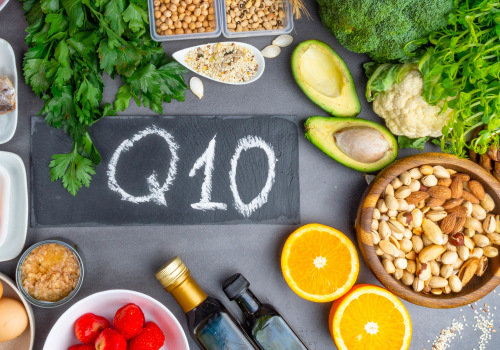
While CoQ10 is available in various forms, including capsules and soft gels, incorporating foods rich in this nutrient—such as fatty fish, organ meats, and whole grains—can also contribute to maintaining adequate levels. In conclusion, the potential benefits of CoQ10 for cognitive health are promising. By supporting brain function and protecting against oxidative damage, this powerful antioxidant may play a significant role in preventing cognitive decline as we age.
<strong>Potential Side Effects and Interactions</strong>
While CoQ10 is generally considered safe for most individuals, it is essential to be aware of potential side effects and interactions that may arise from its use. Understanding these factors can help you make informed decisions about incorporating CoQ10 into your health regimen.Common Side Effects
- Gastrointestinal Issues: Some users may experience mild gastrointestinal discomfort, including nausea, diarrhea, or stomach upset. These symptoms are typically transient and may subside as the body adjusts to the supplement.
- Headaches: A small number of individuals report headaches after starting CoQ10 supplementation.
If headaches persist, it may be advisable to consult a healthcare professional.
- Insomnia: In some cases, CoQ10 may lead to difficulty sleeping, particularly if taken in high doses or close to bedtime. Adjusting the timing of the dose can help mitigate this effect.
Potential Drug Interactions
CoQ10 can interact with certain medications, which may alter their effectiveness or increase the risk of side effects. It is crucial to discuss any supplements you are taking with your healthcare provider, especially if you are on the following:
- Anticoagulants: CoQ10 may reduce the effectiveness of blood thinners such as warfarin (Coumadin). This interaction could potentially increase the risk of clotting issues.
- Blood Pressure Medications: Since CoQ10 can lower blood pressure, it may enhance the effects of antihypertensive medications, leading to excessively low blood pressure in some individuals.
- Chemotherapy Drugs: Some studies suggest that CoQ10 might interfere with certain chemotherapy agents.
Patients undergoing cancer treatment should consult their oncologist before starting CoQ10 supplementation.
Considerations for Specific Populations
Certain groups may need to exercise caution when considering CoQ10 supplementation:
- Pregnant or Nursing Women: There is limited research on the safety of CoQ10 during pregnancy and lactation. It is advisable for women in these categories to avoid supplementation unless recommended by a healthcare provider.
- Individuals with Allergies: Those with known allergies to any components in CoQ10 supplements should avoid them to prevent allergic reactions.