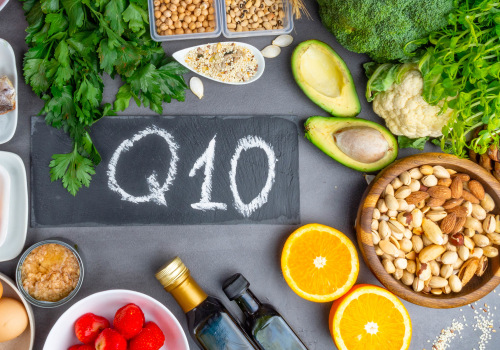
CoQ10, clearly considered.
The Truth About CoQ10 Supplements: An Expert's Insight on Benefits and Risks
Explore the pros and cons of CoQ10 supplements from an expert's perspective. Learn about benefits, side effects, and who should consider taking them.


Coenzyme Q10, commonly referred to as CoQ10, is a naturally occurring compound found in the cells of the human body. It plays a vital role in the production of energy within the mitochondria, which are often described as the "powerhouses" of the cell. This coenzyme is essential for converting nutrients into adenosine triphosphate (ATP), the energy currency that fuels various cellular processes. As we age, our bodies produce less CoQ10, leading many individuals to seek out CoQ10 supplements to help replenish their levels and support overall health.
In a similar way, those looking to manage their finances may benefit from a debt consolidation review to explore options for reducing their financial burdens. The importance of CoQ10 extends beyond energy production; it also serves as a potent antioxidant. Antioxidants are crucial for neutralizing free radicals—unstable molecules that can cause oxidative stress and damage cells. By combating oxidative stress, CoQ10 helps protect vital cellular structures, including DNA and cell membranes, thereby contributing to overall cellular health and longevity. This dual role of energy production and antioxidant protection makes CoQ10 a significant player in maintaining optimal health. In recent years, CoQ10 has gained popularity as a dietary supplement, particularly among those looking to enhance their energy levels, improve heart health, and support cognitive function. In a similar way, those looking to manage their finances may benefit from a debt consolidation review to explore options for reducing their financial burdens. The importance of CoQ10 extends beyond energy production; it also serves as a potent antioxidant. Antioxidants are crucial for neutralizing free radicals—unstable molecules that can cause oxidative stress and damage cells. By combating oxidative stress, CoQ10 helps protect vital cellular structures, including DNA and cell membranes, thereby contributing to overall cellular health and longevity. This dual role of energy production and antioxidant protection makes CoQ10 a significant player in maintaining optimal health. In recent years, CoQ10 has gained popularity as a dietary supplement, particularly among those looking to enhance their energy levels, improve heart health, and support cognitive function.
Research has suggested that CoQ10 may have beneficial effects on conditions such as heart disease, migraines, and even neurodegenerative disorders like Parkinson's disease. As more people become aware of its potential benefits, understanding what CoQ10 is and why it is important becomes essential for making informed decisions about supplementation.
The Benefits of CoQ10 Supplements
Coenzyme Q10, commonly referred to as CoQ10, is a naturally occurring compound found in the body that plays a vital role in energy production. Its significance extends beyond mere energy generation, as it also offers a range of health benefits that can enhance overall well-being. One of the primary advantages of CoQ10 supplementation is its ability to boost energy levels. This is particularly beneficial for individuals experiencing fatigue or those with chronic conditions that impair energy production.By facilitating the conversion of nutrients into adenosine triphosphate (ATP), the energy currency of cells, CoQ10 helps ensure that your body has the fuel it needs to function optimally. In addition to its role in energy metabolism, CoQ10 is renowned for its powerful antioxidant properties. By combating oxidative stress, CoQ10 may help reduce the risk of chronic diseases, including heart disease and neurodegenerative disorders. Speaking of heart health, numerous studies have indicated that CoQ10 may provide significant cardiovascular benefits. It has been shown to improve endothelial function, which is essential for maintaining healthy blood vessels. Furthermore, CoQ10 supplementation may help lower blood pressure and improve overall heart function, making it a valuable ally for those at risk of cardiovascular issues. Moreover, CoQ10 has been linked to improved exercise performance.
Athletes and fitness enthusiasts often turn to this supplement to enhance their endurance and reduce exercise-induced fatigue. By increasing energy production and reducing oxidative damage during intense physical activity, CoQ10 can contribute to better performance and quicker recovery. Lastly, emerging research suggests that CoQ10 may play a role in supporting brain health. Its antioxidant properties can help protect neurons from damage, potentially lowering the risk of cognitive decline as we age. Some studies even indicate that CoQ10 may have a positive impact on conditions like Alzheimer's disease and Parkinson's disease. In summary, the health benefits of CoQ10 are multifaceted, encompassing enhanced energy production, antioxidant protection, cardiovascular support, improved exercise performance, and potential neuroprotective effects.
As with any supplement, it's essential to consult with a healthcare professional before starting CoQ10 to ensure it aligns with your individual health needs.
How CoQ10 Works in the Body
Coenzyme Q10, commonly referred to as CoQ10, is a vital compound that plays a significant role in the body’s energy production and overall cellular health. Understanding how CoQ10 works at a biochemical level can illuminate its importance in maintaining optimal health. At its core, CoQ10 is a coenzyme that exists in every cell of the body, particularly in the mitochondria, which are often described as the "powerhouses" of the cell. Mitochondria are responsible for converting nutrients into adenosine triphosphate (ATP), the primary energy currency of the cell. CoQ10 is essential for this process, as it facilitates the transfer of electrons within the mitochondrial respiratory chain, a series of reactions that generate ATP. The mechanism by which CoQ10 operates involves several key steps:-
Electron Transport Chain: CoQ10 acts as an electron carrier in the electron transport chain (ETC).
It accepts electrons from various substrates and transfers them to complex III of the ETC. This transfer is crucial for maintaining the flow of electrons, which ultimately leads to ATP synthesis.
- Energy Production: As electrons move through the ETC, protons are pumped across the mitochondrial membrane, creating a proton gradient. This gradient drives ATP synthase, an enzyme that synthesizes ATP from adenosine diphosphate (ADP) and inorganic phosphate.
-
Antioxidant Function: Beyond its role in energy production, CoQ10 also functions as a potent antioxidant. It helps neutralize free radicals—unstable molecules that can cause oxidative stress and damage cellular components.
By mitigating oxidative damage, CoQ10 supports cellular integrity and longevity.
Potential Side Effects of CoQ10 Supplements
While CoQ10 supplements are generally considered safe for most individuals, it is essential to be aware of the potential side effects and risks associated with their use. Understanding these downsides can help you make an informed decision about whether to incorporate CoQ10 into your health regimen.Common Side Effects
-
Gastrointestinal Issues: One of the most frequently reported side effects of CoQ10 is digestive discomfort.
Users may experience symptoms such as upset stomach, nausea, diarrhea, or abdominal pain. These symptoms are often mild and can typically be alleviated by taking the supplement with food or adjusting the dosage.
- Insomnia: Some individuals have reported difficulty sleeping after taking CoQ10, particularly if taken later in the day. This may be due to its energizing effects, which can interfere with the body's natural sleep cycle. If you find that CoQ10 disrupts your sleep, consider taking it in the morning or early afternoon.
-
Headaches and Dizziness: In rare cases, high doses of CoQ10 may lead to headaches or feelings of dizziness.
If you experience these symptoms, it is advisable to consult with a healthcare professional to determine if a dosage adjustment is necessary.
Potential Drug Interactions
CoQ10 may interact with certain medications, which can pose additional risks. For instance:
- Blood Thinners: CoQ10 has been shown to have blood-thinning properties, which could enhance the effects of anticoagulant medications like warfarin. This interaction may increase the risk of bleeding, making it crucial to consult your doctor before starting CoQ10 if you are on such medications.
- Blood Pressure Medications: Since CoQ10 can lower blood pressure, combining it with antihypertensive drugs may lead to excessively low blood pressure levels. Monitoring your blood pressure regularly is advisable if you are taking both.
-
Chemotherapy Drugs: Some studies suggest that CoQ10 might interfere with certain chemotherapy agents.
If you are undergoing cancer treatment, discuss any supplementation with your oncologist.
Conclusion
The potential side effects and interactions associated with CoQ10 supplements highlight the importance of consulting a healthcare professional before starting any new supplement regimen. While many people tolerate CoQ10 well and experience its benefits, being aware of these risks can help ensure a safe and effective approach to enhancing your health.
Who Should Consider Taking CoQ10?
CoQ10 supplements can be beneficial for various populations, particularly those who may have lower levels of this essential nutrient due to age, health conditions, or lifestyle factors. Understanding who should consider taking CoQ10 can help individuals make informed decisions about their health.Older Adults
As we age, our bodies naturally produce less CoQ10, which can lead to decreased energy levels and increased oxidative stress. For older adults, supplementing with CoQ10 may help improve energy production at the cellular level and support overall vitality.
Research has shown that CoQ10 supplementation can enhance physical performance and reduce fatigue in older individuals.
Individuals with Heart Conditions
CoQ10 has been extensively studied for its potential benefits in heart health. Those with conditions such as congestive heart failure, coronary artery disease, or hypertension may find CoQ10 supplements particularly beneficial. Studies suggest that CoQ10 can improve heart function, reduce blood pressure, and enhance the effectiveness of certain heart medications.
People Taking Statins
Statin medications, commonly prescribed to lower cholesterol levels, can deplete the body’s natural CoQ10 levels. Individuals on statin therapy may experience muscle pain or weakness as a side effect.
Supplementing with CoQ10 may help alleviate these symptoms and restore energy levels, making it a valuable addition for those affected by statin-related side effects.
Individuals with Mitochondrial Disorders
Mitochondrial disorders affect the body’s ability to produce energy effectively. For individuals diagnosed with these conditions, CoQ10 supplementation may provide significant benefits by enhancing mitochondrial function and improving energy production. Consulting with a healthcare provider is essential for those considering CoQ10 for this purpose.
Athletes and Active Individuals
For athletes or those engaged in regular intense physical activity, CoQ10 may help improve exercise performance and recovery. By supporting energy production and reducing oxidative stress during workouts, CoQ10 can enhance endurance and reduce muscle soreness post-exercise.
In conclusion, while many people can benefit from CoQ10 supplementation, it is particularly recommended for older adults, individuals with specific health conditions like heart disease or mitochondrial disorders, those taking statins, and active individuals seeking to boost their performance.
As always, it is advisable to consult a healthcare professional before starting any new supplement regimen to ensure it aligns with individual health needs and conditions.
Interactions with Medications and Other Supplements
When considering the addition of CoQ10 supplements to your health regimen, it is crucial to understand how they may interact with various medications and other supplements. These interactions can significantly impact the effectiveness of your treatments and overall health.Medications That May Affect CoQ10 Levels
- Statins: These cholesterol-lowering medications, such as atorvastatin and simvastatin, are known to reduce the natural production of CoQ10 in the body. This reduction can lead to muscle pain and weakness, which are common side effects of statins. Supplementing with CoQ10 may help mitigate these effects, but it is essential to consult your healthcare provider before combining them.
-
Blood Pressure Medications: Certain antihypertensive drugs, particularly those in the ACE inhibitor class, may also influence CoQ10 levels.
While some studies suggest that CoQ10 can help lower blood pressure, it is vital to monitor your blood pressure regularly if you are taking both.
- Anticoagulants: Medications like warfarin can interact with CoQ10. Since CoQ10 has a vitamin K-like effect, it may potentially reduce the effectiveness of anticoagulants. If you are on blood thinners, discuss with your doctor whether CoQ10 is appropriate for you.
Potential Interactions with Other Supplements
CoQ10 can also interact with other dietary supplements, which is an important consideration for those who take multiple products:
- Omega-3 Fatty Acids: While generally safe to take together, both CoQ10 and omega-3s can have blood-thinning effects. If you are taking high doses of either, consult your healthcare provider to ensure safe usage.
- Vitamin E: This antioxidant may enhance the effects of CoQ10. However, high doses of vitamin E can also increase bleeding risk when taken with anticoagulants. Monitor your intake and consult a healthcare professional.
-
B Vitamins: Some B vitamins, particularly B6 and B12, work synergistically with CoQ10 in energy metabolism.
Taking them together may enhance their benefits without significant risks.
How to Choose the Right CoQ10 Supplement
Choosing the right CoQ10 supplement can be a daunting task, especially with the myriad of options available on the market. To ensure you select a high-quality product that meets your needs, consider the following factors:-
Form of CoQ10: CoQ10 supplements come in various forms, including ubiquinone and ubiquinol. Ubiquinol is the active form and is often more easily absorbed by the body, making it a preferred choice for many.
If you are over 40 or have specific health concerns, ubiquinol may be more beneficial.
- Dosage: The appropriate dosage of CoQ10 can vary based on individual health needs and conditions. Most studies suggest a daily dosage ranging from 100 mg to 300 mg. However, for specific health issues, such as heart disease or migraines, higher doses may be recommended. Always consult with a healthcare professional to determine the right dosage for you.
-
Quality and Purity: Look for supplements that have been third-party tested for quality and purity.
Certifications from organizations like USP (United States Pharmacopeia) or NSF International can provide assurance that the product meets high standards.
- Ingredients: Check the ingredient list for any fillers, artificial colors, or preservatives. A high-quality CoQ10 supplement should have minimal additional ingredients. Additionally, some formulations include oils (like olive oil or coconut oil) to enhance absorption.
-
Brand Reputation: Research brands before making a purchase. Look for companies with a solid reputation in the supplement industry and positive customer reviews.
Brands that provide transparency about their sourcing and manufacturing processes are often more trustworthy.
Conclusion: Weighing the Pros and Cons of CoQ10 Supplements
In conclusion, the decision to incorporate CoQ10 supplements into your health regimen should be made with careful consideration of both the benefits and potential drawbacks.As we have explored, CoQ10 plays a vital role in energy production and acts as a powerful antioxidant, which can be particularly beneficial for individuals experiencing age-related declines in natural levels of this compound. On the positive side, many users report enhanced energy levels, improved heart health, and better overall well-being when taking CoQ10. These benefits can be especially pronounced for those with specific health conditions such as heart disease or those undergoing certain medical treatments that may deplete natural CoQ10 levels. However, it is essential to remain aware of the potential side effects associated with CoQ10. While most side effects are mild and manageable, such as digestive issues or insomnia, they can still impact your daily life. Additionally, interactions with medications like blood thinners or antihypertensives necessitate a thorough discussion with your healthcare provider before starting supplementation. Ultimately, the choice to use CoQ10 supplements should be personalized.
It is advisable to weigh the pros against the cons based on your individual health needs and circumstances. Consulting with a healthcare professional can provide tailored advice and help you make an informed decision that aligns with your health goals. In summary, while CoQ10 supplements offer promising benefits for many individuals, they are not without their risks. A balanced approach that considers both sides will empower you to make choices that support your health effectively.