CoQ10, clearly considered.
The Truth About CoQ10 and Its Role in Managing Arterial Plaque
Discover the truth about CoQ10's role in managing arterial plaque and supporting heart health. Learn about its benefits and limitations.
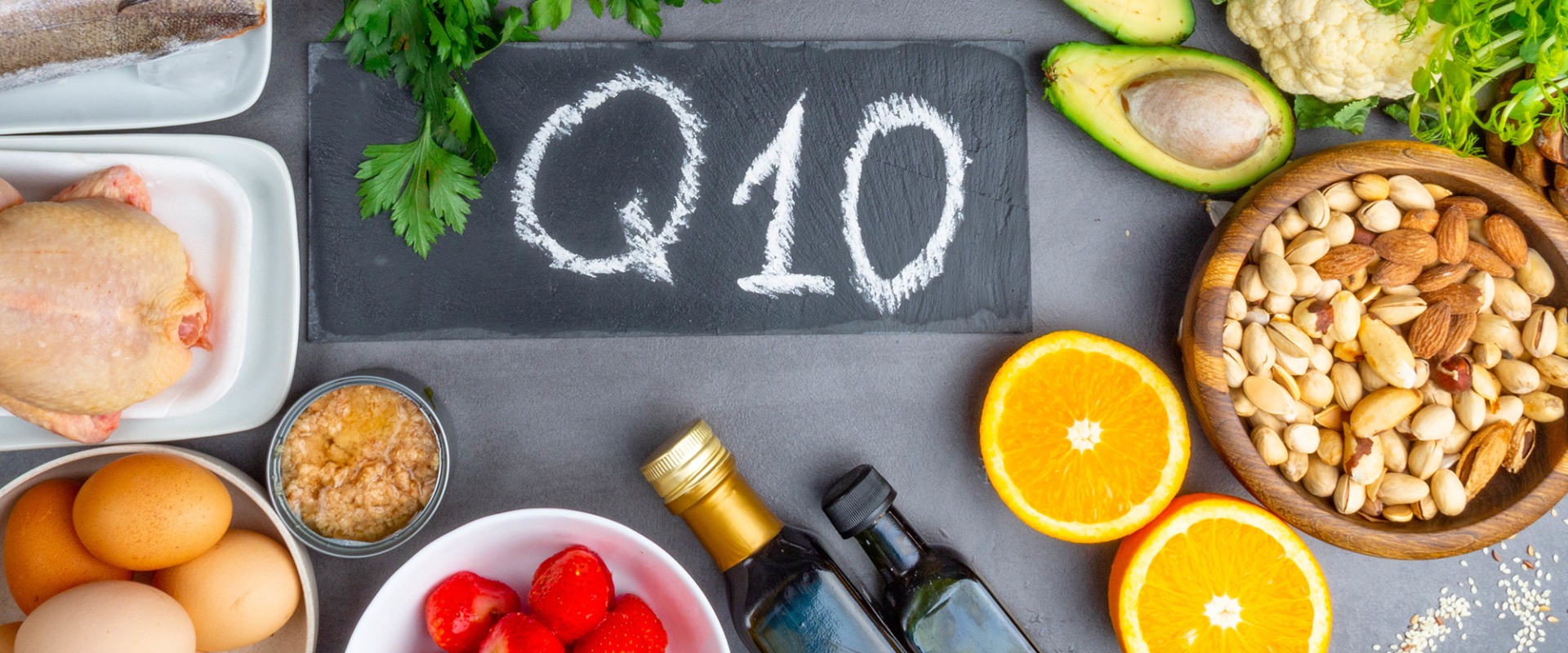

Coenzyme Q10, commonly referred to as CoQ10, is a naturally occurring antioxidant found in every cell of the human body. It plays a crucial role in the production of adenosine triphosphate (ATP), the energy currency of our cells. This coenzyme is vital for cellular energy metabolism, particularly in high-energy organs such as the heart, liver, and kidneys. As we age, our bodies produce less CoQ10, which can lead to decreased energy levels and various health issues.
Understanding what CoQ10 is and how it functions is essential for grasping its potential benefits, especially concerning cardiovascular health, as it also reduces inflammation.CoQ10 exists in two forms: ubiquinone and ubiquinol. Ubiquinone is the oxidized form, while ubiquinol is the reduced form that acts as a powerful antioxidant. Both forms are involved in the electron transport chain, a series of reactions that generate ATP. This process not only fuels cellular functions but also helps protect cells from oxidative stress caused by free radicals. Understanding what CoQ10 is and how it functions is essential for grasping its potential benefits, especially concerning cardiovascular health, as it also reduces inflammation. CoQ10 exists in two forms: ubiquinone and ubiquinol. Ubiquinone is the oxidized form, while ubiquinol is the reduced form that acts as a powerful antioxidant. Both forms are involved in the electron transport chain, a series of reactions that generate ATP. This process not only fuels cellular functions but also helps protect cells from oxidative stress caused by free radicals.
The balance between these two forms is critical for maintaining optimal health, as they work synergistically to support energy production and combat oxidative damage. Natural sources of CoQ10 include organ meats like liver and heart, fatty fish such as salmon and mackerel, whole grains, nuts, and green leafy vegetables. However, dietary intake alone may not provide sufficient levels for everyone, particularly for those with specific health conditions or those taking certain medications that deplete CoQ10 levels. As a result, many individuals turn to CoQ10 supplements to help restore optimal levels in their bodies. The benefits of CoQ10 extend beyond energy production; research suggests it may also support heart health by improving endothelial function and reducing oxidative stress. These properties make it a topic of interest in discussions about cardiovascular diseases and conditions like atherosclerosis.
By understanding the biochemical role of CoQ10 in our bodies, we can better appreciate its potential impact on overall health and its specific effects on arterial plaque development.
The Science Behind Arterial Plaque: Causes and Consequences
Arterial plaque is a complex mixture of substances that accumulates within the arterial walls, leading to a condition known as atherosclerosis. This process begins with damage to the endothelium, the thin layer of cells lining the blood vessels. Various factors can contribute to this endothelial injury, including:- High blood pressure: Elevated pressure can cause mechanical stress on the arterial walls, leading to damage.
- High cholesterol levels: Particularly low-density lipoprotein (LDL) cholesterol, often referred to as "bad" cholesterol, can infiltrate the endothelium and contribute to plaque formation.
- Smoking: The harmful chemicals in tobacco smoke can damage blood vessels and promote inflammation.
- Diabetes: High blood sugar levels can lead to increased oxidative stress and inflammation, further damaging the endothelium.
- Inflammation: Chronic inflammatory conditions can exacerbate endothelial dysfunction and promote plaque buildup.
Over time, these streaks evolve into more complex plaques composed of lipids, cellular debris, and fibrous tissue. This process not only narrows the arteries but also makes them less flexible, increasing the risk of cardiovascular events. The health risks associated with arterial plaque are significant. As plaques grow, they can lead to:
- Reduced blood flow: Narrowed arteries restrict blood flow to vital organs and tissues, potentially leading to ischemia.
- Heart attacks: If a plaque ruptures, it can form a clot that completely obstructs blood flow to the heart muscle.
- Strokes: Similar mechanisms can occur in cerebral arteries, leading to reduced blood supply to the brain.
- Aneurysms: Weakened arterial walls due to plaque buildup may lead to bulging or rupture.
CoQ10 and Cardiovascular Health: What Research Says
CoQ10, or coenzyme Q10, has garnered significant attention in the realm of cardiovascular health, particularly regarding its potential benefits for heart function and its role in managing conditions like atherosclerosis.Numerous studies have explored how CoQ10 supplementation may influence cardiovascular outcomes, providing insights into its mechanisms and efficacy. One of the primary areas of research focuses on the relationship between CoQ10 and atherosclerosis. Atherosclerosis is characterized by the buildup of plaque within the arteries, which can lead to serious cardiovascular events such as heart attacks and strokes. Some studies suggest that CoQ10 may play a role in slowing the progression of this condition. For instance, a clinical trial involving patients with coronary artery disease indicated that those who supplemented with CoQ10 experienced a reduction in oxidative stress markers, which are often elevated in individuals with atherosclerosis.
This reduction was noted to be as high as 29%, suggesting that CoQ10 may help mitigate one of the contributing factors to plaque formation. Moreover, CoQ10 is known for its antioxidant properties, which can protect cells from damage caused by free radicals. This protective effect is particularly important for endothelial cells that line the blood vessels. A healthy endothelium is crucial for maintaining vascular function and preventing plaque buildup. Research has shown that CoQ10 supplementation can improve endothelial function, thereby enhancing blood flow and reducing inflammation—two critical factors in cardiovascular health. In addition to its effects on atherosclerosis, CoQ10 has been studied for its impact on overall heart function.
A meta-analysis of various clinical trials found that CoQ10 supplementation was associated with improved heart function in patients with heart failure. Participants reported enhanced exercise capacity and reduced symptoms of fatigue, which are common complaints among those with compromised heart health. Furthermore, individuals taking statin medications—commonly prescribed to lower cholesterol—may benefit from CoQ10 supplementation. Statins can deplete natural levels of CoQ10 in the body, leading to potential side effects such as muscle pain and weakness. Supplementing with CoQ10 may help restore these levels and alleviate some of the adverse effects associated with statin therapy. While the evidence supporting the cardiovascular benefits of CoQ10 is promising, it is essential to approach supplementation with caution.
Not all CoQ10 products are created equal; bioavailability varies significantly between different formulations. Ubiquinol, a more absorbable form of CoQ10, has been shown to provide better results compared to standard CoQ10 supplements. In conclusion, while more research is needed to fully understand the extent of CoQ10's benefits for cardiovascular health, current studies indicate that it may play a supportive role in managing atherosclerosis and enhancing heart function. As always, individuals should consult healthcare professionals before starting any new supplement regimen to ensure safety and appropriateness based on their unique health needs.
Can CoQ10 Remove Arterial Plaque? Debunking Myths
There is a prevalent belief that CoQ10, or coenzyme Q10, can actively remove or dissolve arterial plaque, a misconception that warrants clarification. While CoQ10 is recognized for its numerous health benefits, particularly in supporting cardiovascular health, the notion that it can directly eliminate plaque buildup in arteries is misleading. Atherosclerosis, the condition characterized by the accumulation of plaque within the arteries, is a complex and chronic disease.It develops over many years and begins with damage to the endothelium, the inner lining of blood vessels. This damage can be caused by various factors, including high blood pressure, smoking, and high cholesterol levels. Once the endothelium is compromised, plaque forms at the site of injury, consisting of cholesterol, calcium, cellular waste, and fibrin. Current research does not support the idea that CoQ10 can dissolve existing plaque. Instead, studies suggest that while CoQ10 may not reverse plaque accumulation, it could play a role in slowing its progression.
For instance, some clinical trials have indicated that CoQ10 supplementation may help reduce oxidative stress markers and improve endothelial function, which are crucial factors in cardiovascular health. Moreover, CoQ10 has been shown to inhibit the oxidation of low-density lipoprotein (LDL) cholesterol—often referred to as "bad" cholesterol. By preventing LDL oxidation, CoQ10 may help mitigate one of the processes that contribute to plaque formation. However, this does not equate to actively removing plaque from arteries. It is also important to note that not all CoQ10 supplements are created equal. The bioavailability of different forms of CoQ10 varies significantly.
For example, ubiquinol, a more absorbable form of CoQ10, has been shown to provide better results than standard CoQ10 supplements. Therefore, individuals considering CoQ10 for cardiovascular support should consult with healthcare professionals to determine the most effective form and dosage. In summary, while CoQ10 offers several cardiovascular benefits and may help delay the development of arterial plaque through its antioxidant properties and support for endothelial function, it should not be viewed as a solution for removing existing plaque. Understanding these distinctions is vital for making informed health decisions.
The Role of CoQ10 in Supporting Statin Therapy
For individuals prescribed statins to manage cholesterol levels, the addition of CoQ10 (coenzyme Q10) supplements may offer significant benefits. Statins are widely recognized for their effectiveness in lowering low-density lipoprotein (LDL) cholesterol, often referred to as "bad" cholesterol, which is a major contributor to cardiovascular diseases.However, while statins play a crucial role in heart health, they can also lead to certain side effects that may impact a patient's quality of life. One of the most commonly reported side effects of statin therapy is muscle pain or weakness, known as statin-associated myopathy. This condition can range from mild discomfort to severe pain, leading some patients to discontinue their medication. Research suggests that CoQ10 may help alleviate these muscle-related side effects. CoQ10 is a naturally occurring antioxidant found in the body that plays a vital role in energy production within cells, particularly in muscle cells.
By supplementing with CoQ10, patients may experience reduced muscle soreness and improved overall tolerance to statin therapy. Moreover, CoQ10 has been shown to support cardiovascular health beyond just mitigating statin side effects. It contributes to the maintenance of endothelial function, which is essential for healthy blood vessels. A well-functioning endothelium helps regulate blood flow and pressure, reducing the risk of atherosclerosis and other cardiovascular conditions. In addition to its protective effects on muscles and blood vessels, CoQ10 may also enhance the overall efficacy of statins. Some studies indicate that CoQ10 supplementation can improve lipid profiles by further lowering LDL cholesterol levels and increasing high-density lipoprotein (HDL) cholesterol, often referred to as "good" cholesterol.
This dual action can provide a more comprehensive approach to managing cholesterol levels. For those considering CoQ10 supplementation while on statin therapy, it is essential to consult with a healthcare professional. They can provide personalized recommendations based on individual health needs and ensure that any potential interactions are carefully monitored. In summary, incorporating CoQ10 into a regimen for individuals taking statins may not only help alleviate common side effects but also enhance cardiovascular health and improve lipid management. As research continues to evolve, the synergistic relationship between CoQ10 and statin therapy presents an exciting avenue for optimizing heart health.
Choosing the Right CoQ10 Supplement: What to Look For
When it comes to selecting a CoQ10 supplement, understanding the various forms and their bioavailability is crucial for maximizing the benefits of this powerful nutrient. Here are some key factors to consider when choosing the right CoQ10 supplement:-
Forms of CoQ10: There are two primary forms of CoQ10 available in supplements: ubiquinone and ubiquinol.
Ubiquinone is the oxidized form, while ubiquinol is the reduced form. Research indicates that ubiquinol may be more bioavailable, meaning it is absorbed more efficiently by the body. This can be particularly important for older adults or those with certain health conditions, as their bodies may have a reduced ability to convert ubiquinone into ubiquinol.
-
Bioavailability: The term bioavailability refers to the proportion of a nutrient that enters the circulation when introduced into the body and is made available for use or storage. When selecting a CoQ10 supplement, look for products that specifically mention high bioavailability.
Some brands utilize advanced delivery systems or formulations that enhance absorption, making them more effective.
- Dosage: The appropriate dosage of CoQ10 can vary based on individual health needs and conditions. Most studies suggest a daily dose ranging from 100 mg to 300 mg for general health benefits. However, those with specific health concerns may require higher doses. Always consult with a healthcare professional to determine the right dosage for your situation.
-
Quality and Purity: Not all supplements are created equal.
Look for products that have been third-party tested for quality and purity. Certifications from organizations such as NSF International or US Pharmacopeia (USP) can provide assurance that the product meets high standards.
- Additives and Fillers: Check the ingredient list for any unnecessary additives, fillers, or artificial ingredients. A high-quality CoQ10 supplement should contain minimal additional ingredients, focusing on delivering pure CoQ10.
Potential Side Effects and Considerations When Taking CoQ10
While CoQ10 is generally regarded as safe for most individuals, it is essential to be aware of potential side effects and specific considerations before incorporating it into your health regimen.Understanding these factors can help you make informed decisions and ensure your safety.
Common Side Effects
- Gastrointestinal Issues: Some users may experience mild digestive disturbances, including nausea, diarrhea, or stomach upset. These symptoms are typically transient and may subside as the body adjusts to the supplement.
- Headaches: A small number of individuals report headaches after starting CoQ10 supplementation. This could be due to changes in blood flow or other physiological adjustments.
- Insomnia: In some cases, CoQ10 may lead to difficulty sleeping, particularly if taken in high doses or later in the day. It is advisable to take the supplement earlier in the day to minimize this risk.
Less Common Side Effects
-
Allergic Reactions: Although rare, some individuals may experience allergic reactions such as rashes, itching, or swelling.
If any severe reactions occur, it is crucial to seek medical attention immediately.
- Lowered Blood Pressure: CoQ10 has been shown to have a mild hypotensive effect, which can be beneficial for those with hypertension but may pose risks for individuals already on blood pressure medications.
Who Should Avoid CoQ10?
While CoQ10 is safe for many, certain groups should exercise caution:
- Pregnant or Nursing Women: There is limited research on the safety of CoQ10 during pregnancy and lactation. Therefore, it is advisable for women in these categories to consult their healthcare provider before use.
- Individuals on Blood Thinners: CoQ10 may interact with anticoagulant medications like warfarin, potentially affecting their efficacy. Regular monitoring by a healthcare professional is recommended for those taking such medications.
- People with Diabetes: Since CoQ10 can influence insulin sensitivity and blood sugar levels, individuals with diabetes should consult their healthcare provider before starting supplementation.
Consultation with Healthcare Professionals
Before beginning any new supplement regimen, including CoQ10, it is crucial to consult with a healthcare professional. They can provide personalized advice based on your health history and current medications.
This step ensures that you are making a safe choice tailored to your individual needs.
FAQs About CoQ10 and Arterial Health
As interest in CoQ10 continues to grow, many individuals have questions about its role in promoting arterial health and overall cardiovascular wellness. Below are some frequently asked questions that can help clarify the benefits and limitations of this important nutrient.What is CoQ10 and how does it work?
CoQ10, or coenzyme Q10, is a naturally occurring antioxidant found in every cell of the body. It plays a crucial role in the production of energy within the mitochondria, the powerhouse of cells. By facilitating the conversion of nutrients into energy, CoQ10 helps maintain cellular function and supports overall health, particularly in high-energy organs like the heart.Does CoQ10 help heart health?
Research suggests that CoQ10 may have several benefits for heart health.It has been shown to improve endothelial function, which is vital for maintaining healthy blood vessels. Additionally, CoQ10 may help reduce oxidative stress and inflammation, both of which are linked to cardiovascular diseases. While it does not dissolve existing arterial plaque, it may slow down its progression and support overall cardiovascular function.
Can CoQ10 reverse arterial plaque?
Currently, there is no scientific evidence to support the claim that CoQ10 can reverse or eliminate arterial plaque. Atherosclerosis is a complex condition that requires comprehensive management, including lifestyle changes and medical interventions.However, CoQ10 may play a supportive role in a broader strategy aimed at improving heart health.
Who should consider taking CoQ10 supplements?
Individuals who are on statin medications may benefit from CoQ10 supplementation, as statins can lower natural levels of this coenzyme in the body. Additionally, those with specific cardiovascular conditions or those seeking to enhance their overall heart health may find CoQ10 beneficial. However, it is essential to consult with a healthcare professional before starting any new supplement regimen.Are there any side effects associated with CoQ10?
CoQ10 is generally considered safe for most people when taken at recommended doses. Some individuals may experience mild side effects such as gastrointestinal discomfort, headaches, or dizziness.It is crucial to discuss any potential interactions with medications or underlying health conditions with a healthcare provider. In summary, while CoQ10 offers promising benefits for cardiovascular health, it should be viewed as part of a comprehensive approach to heart wellness rather than a standalone solution for arterial plaque issues.
Conclusion: The Role of CoQ10 in Heart Health Management
In summary, the relationship between CoQ10 and heart health, particularly concerning arterial plaque, is complex and multifaceted. While CoQ10 is widely recognized for its potential benefits in supporting cardiovascular function, it is crucial to understand its limitations in the context of atherosclerosis and plaque management. Throughout this article, we have explored the role of CoQ10 as an antioxidant and its ability to enhance energy production within heart cells. These properties are essential for maintaining overall cardiovascular health. However, it is important to note that current research does not support the notion that CoQ10 can actively dissolve or reverse existing arterial plaque.Instead, its primary benefits lie in:
- Reducing oxidative stress: CoQ10 has been shown to lower markers of oxidative stress, which can contribute to the progression of atherosclerosis.
- Improving endothelial function: By enhancing the health of the endothelium, CoQ10 may help maintain proper blood flow and reduce the risk of plaque formation.
- Supporting patients on statins: For individuals taking statin medications, which can deplete natural CoQ10 levels, supplementation may help restore balance and support heart health.