CoQ10, clearly considered.
The Power of CoQ10: Unlocking Heart Health Benefits
Discover how CoQ10 supports heart health, boosts energy, and protects against oxidative stress. Learn about its benefits and supplementation.


Coenzyme Q10, commonly referred to as CoQ10, is a naturally occurring antioxidant found in every cell of the human body. This vital coenzyme plays a crucial role in the production of energy within the mitochondria, the powerhouse of cells. As we age, our bodies produce less CoQ10, which can lead to a variety of health issues, particularly concerning heart health. Understanding what CoQ10 is and how it functions is essential for appreciating its potential benefits. CoQ10 exists in two forms: ubiquinone and ubiquinol.
Ubiquinone is the oxidized form, while ubiquinol is the reduced form that is more readily absorbed by the body. Both forms are important for cellular energy production and act as powerful antioxidants, helping to neutralize harmful free radicals that can cause oxidative stress and damage to cells. This protective function is particularly significant for heart health, as the heart requires a substantial amount of energy to function effectively. The benefits of CoQ10 extend beyond energy production. Research has shown that it may help improve heart function, reduce blood pressure, and enhance overall cardiovascular health.
Additionally, CoQ10 has been linked to improved exercise performance and recovery, making it a popular supplement among athletes and fitness enthusiasts. Its role in reducing inflammation and supporting cellular repair further underscores its importance in maintaining optimal health. In summary, CoQ10 is not just a supplement; it is a vital component of our cellular machinery that supports energy production and protects against oxidative damage. As we delve deeper into the topic of CoQ10 in this article, we will explore its specific benefits for heart health and how supplementation can play a pivotal role in enhancing overall well-being.
The Role of CoQ10 in Heart Health
Coenzyme Q10, commonly referred to as CoQ10, plays a pivotal role in maintaining optimal heart health. This naturally occurring antioxidant is found in every cell of the body, but its concentration is particularly high in the heart, where it is essential for energy production.The heart requires a significant amount of energy to function effectively, and CoQ10 is crucial in the production of adenosine triphosphate (ATP), the energy currency of cells. Research has shown that CoQ10 supplementation can lead to improved heart function, especially in individuals with heart disease. A study published in the Journal of the American College of Cardiology found that patients with congestive heart failure who took CoQ10 experienced significant improvements in their heart function and quality of life. This suggests that CoQ10 may help enhance cardiac output and reduce symptoms associated with heart failure. Moreover, CoQ10's antioxidant properties are vital for protecting the heart from oxidative stress, which can lead to cellular damage and contribute to cardiovascular diseases. By neutralizing free radicals, CoQ10 helps to maintain the integrity of cell membranes and supports overall cardiovascular health. In addition to its direct benefits on heart function, CoQ10 has been linked to improved endothelial function.
The endothelium is a thin layer of cells lining blood vessels, and its health is crucial for regulating blood flow and maintaining vascular tone. A clinical trial demonstrated that individuals taking CoQ10 showed enhanced endothelial function, which can lead to better blood circulation and reduced risk of hypertension. Furthermore, CoQ10 may also play a role in reducing inflammation within the cardiovascular system. Chronic inflammation is a known risk factor for various heart conditions, including atherosclerosis. By mitigating inflammatory responses, CoQ10 could potentially lower the risk of plaque buildup in arteries. In summary, the evidence supporting the cardiovascular benefits of CoQ10 is compelling.
From enhancing energy production in heart cells to providing antioxidant protection and improving endothelial function, this supplement offers a multifaceted approach to supporting heart health. As always, individuals considering CoQ10 supplementation should consult with healthcare professionals to determine appropriate dosages and ensure it aligns with their overall health strategy.
CoQ10 Deficiency: Causes and Consequences
CoQ10 deficiency can arise from various factors, significantly impacting overall health, particularly heart health. Understanding the causes and consequences of low CoQ10 levels is crucial for those at risk. One of the primary causes of CoQ10 deficiency is aging. As individuals age, the body’s natural production of CoQ10 diminishes, leading to lower levels in the bloodstream.This decline can start as early as the age of 30 and continues to decrease with advancing age, making older adults particularly vulnerable to deficiency. Certain medical conditions also contribute to CoQ10 deficiency. For instance, individuals with heart disease , diabetes, and neurodegenerative disorders often exhibit lower levels of this vital nutrient. The body’s increased demand for CoQ10 in these conditions can outpace its production, resulting in a deficiency. Moreover, medications such as statins , commonly prescribed for lowering cholesterol, can inhibit the synthesis of CoQ10. Statins work by blocking the same pathway that produces cholesterol and CoQ10, leading to reduced levels of this essential coenzyme in patients taking these drugs. The symptoms of CoQ10 deficiency can be subtle yet significant. Individuals may experience fatigue, muscle weakness, and a general decline in energy levels.
More critically, low CoQ10 levels have been linked to an increased risk of cardiovascular issues, including heart failure and hypertension. The heart relies heavily on CoQ10 for energy production; thus, a deficiency can impair its function and lead to serious health consequences. Those who may benefit from CoQ10 supplementation include older adults, individuals with chronic diseases such as heart disease or diabetes, and those taking statin medications. Recognizing the signs of deficiency and understanding who is at risk can help in taking proactive measures to maintain optimal CoQ10 levels. In conclusion, addressing CoQ10 deficiency is vital for maintaining heart health and overall well-being. By understanding its causes and symptoms, individuals can make informed decisions about supplementation and lifestyle changes that may enhance their quality of life.
How to Supplement with CoQ10: Dosage and Forms
When considering CoQ10 supplementation, understanding the appropriate dosage and the different forms available is crucial for maximizing its benefits.CoQ10 exists primarily in two forms: ubiquinone and ubiquinol. Each form has unique properties that can influence absorption and effectiveness.
Recommended Dosages
- The typical daily dosage of CoQ10 ranges from 60 mg to 500 mg, depending on individual health needs and conditions.
- For those with specific health issues, such as heart disease or chronic fatigue, higher doses may be recommended, sometimes reaching up to 1200 mg.
- Clinical studies have utilized doses as high as 3000 mg, but such high levels should only be taken under medical supervision.
- It is advisable to start with a lower dose and gradually increase it while monitoring for any side effects.
Forms of CoQ10
The two primary forms of CoQ10 are:
- Ubiquinone: This is the oxidized form of CoQ10 and is commonly found in supplements. While effective, it may require conversion in the body to become active.
- Ubiquinol: This is the reduced form of CoQ10 and is more bioavailable, meaning it is easier for the body to absorb. For individuals over 40 or those with certain health conditions, ubiquinol may be the preferred option due to its enhanced absorption.
How to Take CoQ10
To optimize absorption, consider the following tips:
- Take with food: Since CoQ10 is fat-soluble, consuming it with a meal that contains healthy fats can significantly enhance its absorption.
- Dosing schedule: Dividing the total daily dose into two or three smaller doses throughout the day can improve absorption and maintain stable levels in the bloodstream.
- Consult a healthcare professional: Before starting any new supplement regimen, especially at higher doses, it’s essential to consult with a healthcare provider to tailor the dosage to your specific health needs.
Potential Side Effects and Interactions of CoQ10
When considering the incorporation of CoQ10 into your health regimen, it is essential to understand its safety profile, including potential side effects and interactions with medications.While CoQ10 is generally regarded as safe for most individuals, some may experience mild side effects.
Common Side Effects
The side effects associated with CoQ10 supplementation are typically mild and may include:- Gastrointestinal Issues: Some users report experiencing stomach upset, nausea, diarrhea, or loss of appetite.
- Headaches: A few individuals may experience headaches, which can be attributed to changes in energy metabolism.
- Insomnia: In some cases, CoQ10 may lead to difficulty sleeping, particularly if taken in high doses or close to bedtime.
- Rashes: Although rare, skin rashes have been reported in a small number of users.
Interactions with Medications
CoQ10 can interact with certain medications, which may affect its efficacy or increase the risk of adverse effects. Notable interactions include:- Blood Thinners: CoQ10 may reduce the effectiveness of anticoagulants such as warfarin. If you are on blood-thinning medication, consult your doctor before starting CoQ10.
- Statins: While statins lower cholesterol levels, they can also deplete the body’s natural CoQ10 levels.
Supplementing with CoQ10 may help mitigate some side effects associated with statin use, but it’s crucial to discuss this with your healthcare provider.
- Insulin and Diabetes Medications: CoQ10 may affect blood sugar levels; therefore, individuals taking insulin or other diabetes medications should monitor their blood sugar closely when starting CoQ10.
- Chemotherapy Drugs: Some studies suggest that CoQ10 might interfere with the effectiveness of certain chemotherapy agents. Always inform your oncologist if you are considering CoQ10 supplementation during cancer treatment.
CoQ10 and Other Health Benefits Beyond Heart Health
While CoQ10 is widely recognized for its significant benefits to heart health, its advantages extend far beyond cardiovascular support. This powerful antioxidant plays a multifaceted role in various health conditions, including migraine prevention and neuroprotection, making it a valuable addition to many individuals' wellness regimens.CoQ10 for Migraine Prevention
Research has shown that CoQ10 may be effective in reducing the frequency and severity of migraines.Migraines are often debilitating, characterized by intense headaches accompanied by nausea, vomiting, and sensitivity to light and sound. The exact mechanism by which CoQ10 alleviates migraines is not fully understood, but it is believed to involve its role in mitochondrial function and energy production. Several clinical studies have indicated that individuals who supplement with CoQ10 experience fewer migraine attacks compared to those who do not. A meta-analysis highlighted that CoQ10 supplementation can lead to a significant reduction in the duration and intensity of migraine episodes. For those suffering from chronic migraines, incorporating CoQ10 into their treatment plan may offer a natural alternative or complement to traditional medications.
Neuroprotective Effects of CoQ10
In addition to its benefits for migraines, CoQ10 has garnered attention for its neuroprotective properties.Research suggests that this compound may help protect brain cells from oxidative stress and inflammation, both of which are implicated in neurodegenerative diseases such as Alzheimer’s and Parkinson’s disease. Oxidative stress occurs when there is an imbalance between free radicals and antioxidants in the body, leading to cellular damage. By enhancing mitochondrial function and reducing oxidative damage, CoQ10 may play a crucial role in preserving cognitive function and slowing the progression of neurodegenerative disorders. Some studies have shown that patients with neurodegenerative diseases often have lower levels of CoQ10 in their systems. Supplementing with CoQ10 could potentially improve symptoms or slow disease progression by restoring optimal levels of this vital nutrient. In summary, the benefits of CoQ10 extend well beyond heart health. Its potential in preventing migraines and providing neuroprotection highlights its versatility as a supplement.
As always, individuals should consult healthcare professionals before starting any new supplement regimen to ensure safety and efficacy tailored to their specific health needs.
Dietary Sources of CoQ10: Can You Get Enough from Food?
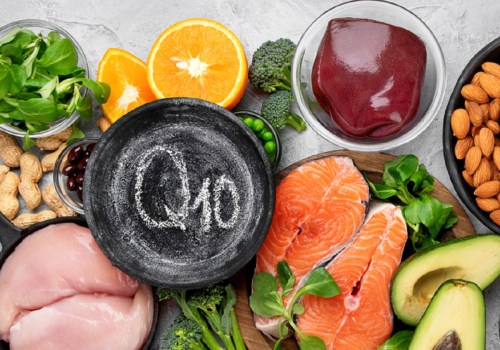
Coenzyme Q10, commonly known as CoQ10, is a vital nutrient that plays a significant role in energy production and acts as a powerful antioxidant. While many people consider supplementation to boost their CoQ10 levels, it’s essential to explore whether dietary sources can provide adequate amounts of this nutrient. Several foods contain CoQ10, but the concentrations are often relatively low compared to what is typically found in supplement form. Here are some notable dietary sources:- Meat: Organ meats, particularly heart, liver, and kidney, are among the richest sources of CoQ10. For instance, beef heart can contain up to 100 mg of CoQ10 per 100 grams.
- Fish: Fatty fish such as salmon, mackerel, and sardines also provide a good amount of CoQ10. A serving of mackerel can yield approximately 20 mg.
- Nuts and Seeds: Nuts like peanuts and pistachios, as well as seeds such as sesame seeds, contain modest amounts of CoQ10. For example, peanuts offer about 2.6 mg per 100 grams.
- Vegetables: Certain vegetables like spinach, broccoli, and cauliflower have lower levels of CoQ10 but can still contribute to your intake. Spinach provides around 0.6 mg per 100 grams.
- Whole Grains: Whole grains such as oats and wheat germ also contain small amounts of CoQ10.
For instance, a typical diet may only provide about 3 to 6 mg of CoQ10 daily, which is far below the doses often used in clinical studies (ranging from 60 mg to over 1200 mg). This raises the question: Can you get enough CoQ10 from your diet alone? For most individuals, relying solely on dietary sources may not be feasible if they aim to achieve therapeutic levels of CoQ10. Factors such as age, health conditions (like heart disease), and the use of certain medications (like statins) can further deplete natural levels of CoQ10 in the body. In conclusion, while it is possible to obtain some CoQ10 from food sources, achieving sufficient levels through diet alone is challenging for many people. Those interested in enhancing their heart health or addressing specific health concerns may find that supplementation is a more effective option. However, it’s always advisable to consult with a healthcare professional before starting any new supplement regimen.
Consulting Healthcare Professionals About CoQ10 Supplementation
Before embarking on any supplementation journey, including CoQ10, it is crucial to consult with a healthcare professional. This step is essential for ensuring that the supplement aligns with your individual health needs and conditions.Healthcare providers can offer personalized advice based on your medical history, current medications, and overall health status.
Many individuals may be tempted to self-prescribe supplements like CoQ10 due to their perceived benefits. However, this approach can lead to unintended consequences, especially if you are taking other medications or have underlying health issues. For instance, CoQ10 may interact with certain medications, such as blood thinners or insulin, potentially altering their effectiveness or increasing the risk of side effects.
When to Consult a Doctor About CoQ10
- If you have a pre-existing heart condition or any chronic illness.
- Before starting CoQ10 if you are currently taking medications, particularly statins or blood thinners.
- If you are pregnant, nursing, or planning to become pregnant.
- If you experience any adverse effects after starting the supplement.
A doctor can guide you in finding the right balance that maximizes benefits while minimizing risks. Moreover, discussing your interest in CoQ10 with a healthcare provider opens the door for a broader conversation about heart health and wellness. They can provide insights into lifestyle changes, dietary adjustments, and other supplements that may complement CoQ10 in promoting cardiovascular health. In summary, consulting a healthcare professional before starting CoQ10 supplementation is not just a precaution; it is a responsible health practice that fosters trust and safety in your wellness journey. By prioritizing professional guidance, you empower yourself to make informed decisions that support your heart health effectively.
Conclusion: The Importance of CoQ10 for Heart Health and Overall Well-Being
In summary, the role of CoQ10 in promoting heart health and overall well-being cannot be overstated. This powerful antioxidant not only supports the heart's energy production but also plays a vital role in protecting against oxidative stress, which is a significant contributor to various cardiovascular diseases.As we have explored, CoQ10 supplementation has shown promise in improving conditions such as congestive heart failure and may even aid in reducing the frequency and severity of migraines. Moreover, the importance of maintaining adequate levels of CoQ10 becomes even more apparent when considering its relationship with certain health conditions. Individuals with heart disease or those taking statin medications often experience lower levels of this essential nutrient, highlighting the need for potential supplementation. By addressing these deficiencies, individuals may enhance their heart function and overall health. It is crucial to approach CoQ10 supplementation thoughtfully. Consulting with a healthcare professional is recommended to determine the appropriate dosage tailored to individual health needs.
While standard doses typically range from 60 mg to 500 mg daily, some clinical studies have utilized higher doses under medical supervision. This personalized approach ensures that individuals can safely reap the benefits of CoQ10 without adverse effects. As we conclude our discussion on CoQ10, it is essential for readers to reflect on their own health circumstances. If you are experiencing symptoms related to heart health or are concerned about your antioxidant levels, consider discussing CoQ10 supplementation with your healthcare provider. With proper guidance, this supplement can be a valuable addition to your health regimen, potentially leading to improved heart function and enhanced quality of life. Ultimately, prioritizing heart health through nutrition and supplementation is a proactive step towards achieving long-term wellness.
By incorporating CoQ10 into your daily routine, you may not only support your cardiovascular system but also contribute positively to your overall vitality.