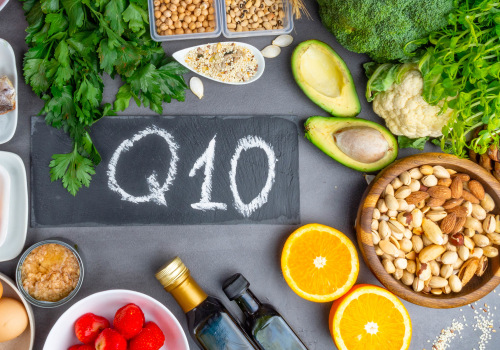
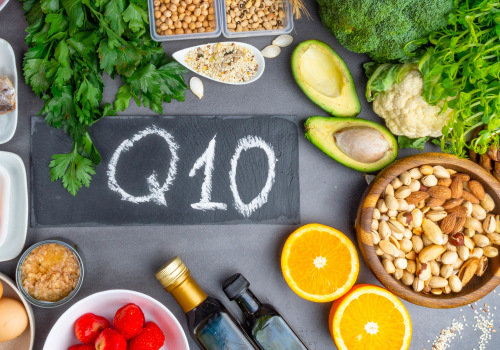
CoQ10, clearly considered.
The Power of CoQ10: Enhancing Health Benefits When Combined with Other Vitamins
Discover the benefits of CoQ10 and how combining it with other vitamins can enhance your health and well-being.
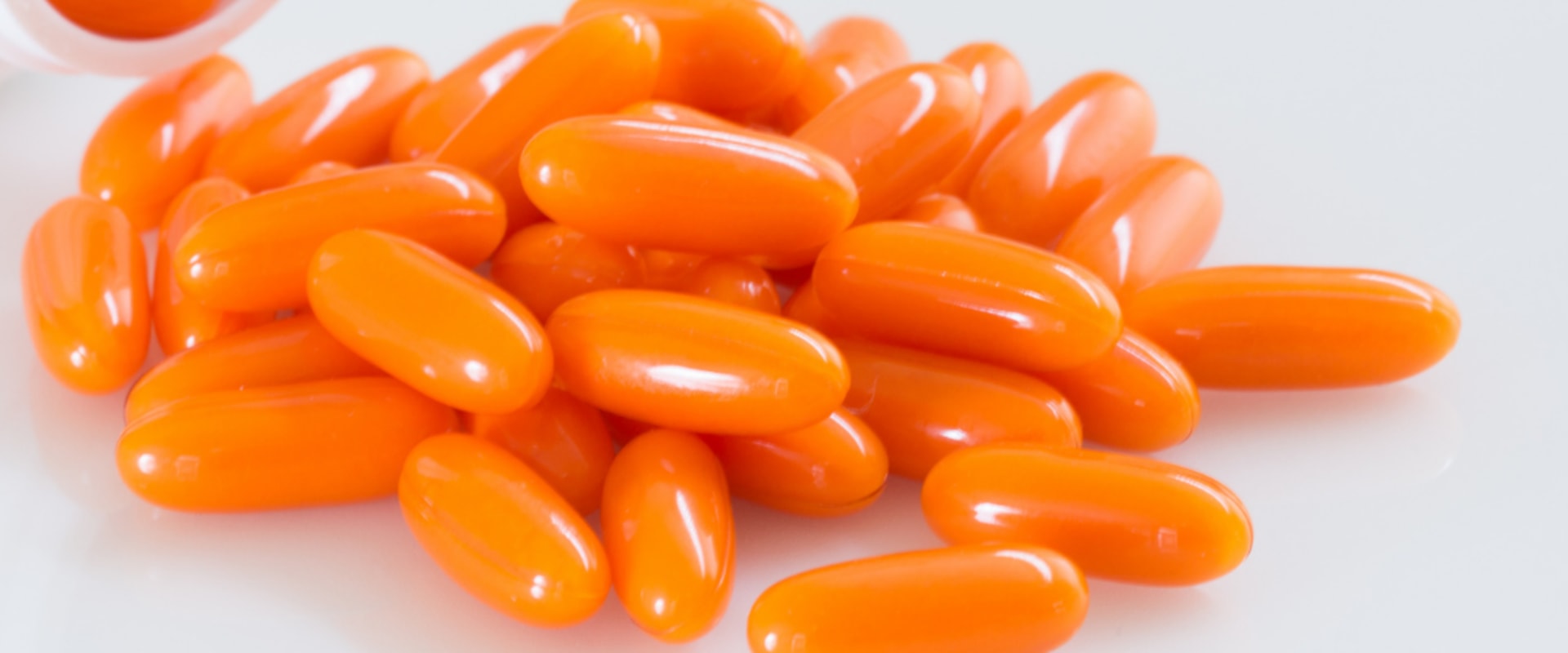

Coenzyme Q10, commonly referred to as Coenzyme Q10, commonly referred to as CoQ10, is a vital compound that plays a significant role in the human body. This naturally occurring antioxidant is found in every cell, where it is essential for the production of adenosine triphosphate (ATP), the energy currency of our cells. ATP is crucial for powering various cellular processes, including muscle contraction, nerve impulse transmission, and overall metabolic functions. Without adequate levels of CoQ10, our bodies may struggle to generate the energy needed for optimal performance. Beyond its role in energy production, CoQ10 also serves as a powerful antioxidant.
It helps neutralize harmful free radicals that can cause oxidative stress, leading to cellular damage and contributing to various health issues. By protecting cells from oxidative damage, CoQ10 supports overall health and may play a role in reducing the risk of chronic diseases such as heart disease and neurodegenerative disorders. The significance of CoQ10 extends beyond mere energy production and antioxidant protection. Research has shown that this compound can influence various physiological processes, including inflammation and immune response. As we age, our natural levels of CoQ10 tend to decline, which can impact our health and vitality.
This decline is particularly notable in individuals with certain health conditions, such as cardiovascular diseases or metabolic disorders. Understanding the multifaceted roles of CoQ10 in the body lays the groundwork for appreciating its potential benefits when taken alongside other vitamins and supplements. As we delve deeper into the advantages of CoQ10 supplementation, it becomes clear that this compound is not just a simple nutrient but a cornerstone of cellular health and energy management.
Health Benefits of CoQ10
Coenzyme Q10, commonly referred to as CoQ10, is a powerful antioxidant that plays a vital role in cellular energy production. Its health benefits are extensive, particularly in the realms of heart health and energy enhancement.Heart Health
One of the most significant benefits of CoQ10 is its positive impact on heart health. Research has shown that CoQ10 can help improve heart function, especially in individuals with heart disease.
A study published in the Journal of the American College of Cardiology found that patients with congestive heart failure who supplemented with CoQ10 experienced improved heart function and reduced symptoms. This is largely due to CoQ10's role in enhancing mitochondrial function, which is crucial for energy production in heart cells.
Moreover, CoQ10 has been linked to lower blood pressure levels. A meta-analysis of several studies indicated that CoQ10 supplementation could lead to a modest reduction in systolic and diastolic blood pressure, making it a potential adjunct therapy for those managing hypertension.
Energy Production
In addition to its cardiovascular benefits, CoQ10 is renowned for its ability to boost energy levels. It is essential for the production of adenosine triphosphate (ATP), the primary energy carrier in cells.
Individuals suffering from chronic fatigue syndrome or fibromyalgia have reported increased energy levels when taking CoQ10 supplements. A randomized controlled trial demonstrated that participants who took CoQ10 experienced significant improvements in fatigue and overall quality of life.
Overall Wellness
The antioxidant properties of CoQ10 also contribute to overall wellness by combating oxidative stress, which can lead to cellular damage and various chronic diseases. By neutralizing free radicals, CoQ10 helps protect cells from damage, potentially reducing the risk of conditions such as diabetes and neurodegenerative diseases.
In summary, the health benefits of CoQ10 are multifaceted, encompassing improved heart health, enhanced energy production, and overall wellness support. As research continues to unfold, it becomes increasingly clear that incorporating CoQ10 into your supplement regimen may be a wise choice for maintaining optimal health.
The Importance of Combining CoQ10 with Other Vitamins
Combining CoQ10 with other vitamins can significantly enhance its health benefits, creating a synergistic effect that promotes overall well-being.This synergy is particularly important as it allows the body to utilize these nutrients more effectively, leading to improved health outcomes. One of the most notable vitamins to pair with CoQ10 is Vitamin E. This powerful antioxidant works to protect cell membranes from oxidative damage, which complements the antioxidant properties of CoQ10. Research has shown that when taken together, these two compounds can enhance heart health by reducing oxidative stress and improving endothelial function. Another beneficial combination is CoQ10 with Vitamin C. Vitamin C not only supports the immune system but also regenerates oxidized CoQ10 back into its active form. This regeneration process ensures that CoQ10 remains effective in its role as an antioxidant and energy producer.
Studies indicate that this combination may improve energy levels and reduce fatigue, particularly in individuals with chronic conditions.
B Vitamins
, particularly B6, B12, and folate, also work well with CoQ10. These vitamins are essential for energy metabolism and can help enhance the energy-boosting effects of CoQ10. For instance, B12 is crucial for red blood cell formation and neurological function, while folate plays a vital role in DNA synthesis and repair. Together, they can support cardiovascular health and cognitive function.
Moreover, combining CoQ10 with Omega-3 fatty acids can further amplify its benefits. Omega-3s are known for their anti-inflammatory properties and cardiovascular benefits. When taken alongside CoQ10, they may help improve heart health by reducing triglyceride levels and enhancing blood circulation.
In summary, the importance of combining CoQ10 with other vitamins cannot be overstated.
The synergistic effects of these combinations not only enhance the individual benefits of each nutrient but also contribute to a more holistic approach to health. As research continues to uncover the potential of these combinations, individuals looking to optimize their health may find that incorporating CoQ10 with specific vitamins is a valuable strategy.
Key Vitamins to Pair with CoQ10
When considering the supplementation of CoQ10, it is essential to understand how it interacts with other vitamins to enhance its benefits. Certain vitamins not only complement CoQ10 but also work synergistically to improve overall health outcomes. Below are some key vitamins that are particularly beneficial when taken alongside CoQ10:-
Vitamin E : This powerful antioxidant plays a crucial role in protecting cells from oxidative stress.
When paired with CoQ10, Vitamin E can enhance its antioxidant properties, providing a double layer of protection against free radicals. This combination is especially beneficial for heart health, as both nutrients support cardiovascular function.
- Vitamin C : Known for its immune-boosting properties, Vitamin C also works as an antioxidant. When taken with CoQ10, it can help regenerate oxidized CoQ10 back to its active form, thereby enhancing its effectiveness in energy production and cellular repair. This pairing is particularly advantageous for individuals looking to improve their energy levels and overall vitality.
-
B Vitamins : The B vitamin complex, including B1 (thiamine), B2 (riboflavin), B3 (niacin), B5 (pantothenic acid), B6 (pyridoxine), B7 (biotin), B9 (folate), and B12 (cobalamin), plays a vital role in energy metabolism.
These vitamins help convert food into energy, and when combined with CoQ10, they can significantly enhance energy production at the cellular level. This synergy is particularly beneficial for those experiencing fatigue or low energy.
- Vitamin D : Emerging research suggests that Vitamin D may play a role in mitochondrial function, which is where CoQ10 exerts its effects. Adequate levels of Vitamin D can support the body’s ability to utilize CoQ10 effectively, making this combination particularly useful for maintaining optimal energy levels and overall health.
- Alpha-Lipoic Acid (ALA) : While not a vitamin in the traditional sense, ALA is a potent antioxidant that works well with CoQ10. It helps regenerate other antioxidants in the body and can enhance the absorption and effectiveness of CoQ10. This combination is especially beneficial for individuals looking to support their metabolic health and combat oxidative stress.
Potential Side Effects and Considerations When Taking CoQ10
While CoQ10 is generally considered safe for most individuals, it is essential to be aware of potential side effects and specific considerations before starting supplementation.Understanding these factors can help ensure a positive experience with CoQ10 and maximize its benefits.
Common Side Effects
- Gastrointestinal Issues: Some users may experience mild digestive discomfort, including nausea, diarrhea, or stomach upset. These symptoms are often temporary and can be minimized by taking CoQ10 with food.
- Allergic Reactions: Although rare, some individuals may have an allergic reaction to CoQ10. Symptoms can include rash, itching, or swelling. If any of these occur, it is crucial to discontinue use and consult a healthcare professional.
- Headaches: A few users report experiencing headaches after starting CoQ10 supplementation. This may be due to changes in blood flow or other physiological adjustments in the body.
Safety Considerations
Before beginning any new supplement regimen, including CoQ10, it is advisable to consult with a healthcare provider, especially for individuals with pre-existing health conditions or those taking medications.
Here are some specific groups who should exercise caution:
- Individuals on Blood Thinners: CoQ10 may interact with anticoagulant medications such as warfarin, potentially affecting blood clotting. Regular monitoring and consultation with a healthcare provider are recommended.
- Pregnant or Nursing Women: There is limited research on the safety of CoQ10 during pregnancy and lactation. Therefore, it is best for women in these categories to avoid supplementation unless advised by a healthcare professional.
- People with Diabetes: CoQ10 may influence insulin sensitivity and blood sugar levels. Diabetic patients should consult their doctor before starting CoQ10 to ensure proper management of their condition.
Conclusion
In summary, while CoQ10 offers numerous health benefits, being aware of potential side effects and safety considerations is crucial.
By consulting with a healthcare professional and understanding individual health circumstances, users can make informed decisions about incorporating CoQ10 into their wellness routine.
How to Choose the Right CoQ10 Supplement
Choosing the right CoQ10 supplement can be a daunting task, given the variety of options available on the market. To ensure you select a high-quality product that meets your health needs, consider the following factors:- Dosage Forms: CoQ10 supplements come in various forms, including soft gels, capsules, tablets, and powders. Soft gels are often preferred due to their higher bioavailability, meaning they are more easily absorbed by the body. Capsules and tablets can also be effective, but it’s essential to check the formulation for optimal absorption.
-
Bioavailability: Not all CoQ10 supplements are created equal when it comes to absorption.
Look for products that contain ubiquinone or ubiquinol. Ubiquinol is the reduced form of CoQ10 and is generally considered more bioavailable, making it a better choice for those looking to maximize the benefits of supplementation.
- Brand Reputation: Researching the brand is crucial. Opt for manufacturers that have a solid reputation for quality and transparency. Look for third-party testing certifications, which indicate that the product has been independently verified for purity and potency.
-
Additional Ingredients: Some CoQ10 supplements may include other vitamins or nutrients that can enhance its effectiveness.
For instance, pairing CoQ10 with vitamin E or omega-3 fatty acids can provide synergistic benefits. However, be cautious of fillers or artificial additives that may compromise the supplement's quality.
- Price vs. Quality: While it might be tempting to choose the cheapest option available, remember that quality often comes at a price. Investing in a reputable brand with high-quality ingredients can lead to better health outcomes in the long run.
They can provide personalized recommendations based on your specific health needs and goals. In summary, selecting the best CoQ10 supplement involves careful consideration of dosage forms, bioavailability, brand reputation, additional ingredients, and cost. By taking these factors into account, you can make an informed decision that supports your overall health and wellness.
FAQs About CoQ10 and Its Use with Other Vitamins
As interest in CoQ10 supplementation grows, many individuals have questions regarding its use, particularly in conjunction with other vitamins. Below are some frequently asked questions that can help clarify common concerns and enhance understanding of CoQ10's role in health.What is CoQ10 and why is it important?
Coenzyme Q10, or CoQ10, is a vital antioxidant that plays a significant role in energy production within the cells. It is naturally produced by the body but can diminish with age or certain health conditions.Supplementing with CoQ10 may support heart health, improve energy levels, and provide antioxidant protection.
Can you take CoQ10 with other vitamins?
Yes, CoQ10 can be safely taken alongside various vitamins and supplements. In fact, it may work synergistically with certain nutrients:- Vitamin E: Both CoQ10 and vitamin E are antioxidants that can enhance each other's effects in protecting cells from oxidative stress.
- Vitamin C: This vitamin may help regenerate oxidized CoQ10, making it more effective in its antioxidant role.
- B Vitamins: These vitamins are essential for energy metabolism and may complement the energy-boosting effects of CoQ10.
Are there any interactions I should be aware of?
While CoQ10 is generally considered safe, it can interact with certain medications:- Blood thinners: CoQ10 may reduce the effectiveness of anticoagulants like warfarin, so it's essential to consult a healthcare provider before combining them.
- Statins: Some studies suggest that statin medications can lower natural CoQ10 levels in the body. Supplementing with CoQ10 may help mitigate this effect.
Can you take too much CoQ10?
While CoQ10 is generally well-tolerated, excessive doses can lead to side effects such as gastrointestinal discomfort, headaches, or insomnia. The typical recommended dosage ranges from 100 to 200 mg per day.It’s advisable to consult a healthcare professional before starting any new supplement regimen to determine the appropriate dosage for your individual needs. In summary, understanding how to effectively incorporate CoQ10 with other vitamins can enhance its benefits while minimizing potential interactions. Always consider professional guidance when making changes to your supplement routine.
Conclusion: The Synergistic Power of CoQ10 and Vitamins for Optimal Health
In summary, the integration of CoQ10 into your daily supplementation routine can offer significant health benefits, particularly when combined with other essential vitamins and nutrients. As we have explored, CoQ10 plays a vital role in energy production and acts as a powerful antioxidant, which is crucial for maintaining overall health and well-being. One of the most compelling reasons to consider taking CoQ10 alongside other vitamins is its synergistic effect. For instance, when paired with vitamins such as B6 , B12 , and folate , CoQ10 can enhance cardiovascular health by improving energy metabolism and reducing oxidative stress.This combination not only supports heart function but also promotes better circulation and overall vitality. Moreover, the relationship between CoQ10 and vitamins like C and E cannot be overlooked. These vitamins work together to bolster the body’s antioxidant defenses, helping to neutralize free radicals that can lead to cellular damage. By supplementing with CoQ10 in conjunction with these vitamins, you may amplify your body’s ability to combat oxidative stress, which is linked to various chronic diseases. Additionally, individuals dealing with specific health conditions, such as high cholesterol or neurodegenerative diseases, may find that combining CoQ10 with other targeted supplements can yield improved outcomes. For example, research suggests that CoQ10 may help mitigate some of the side effects associated with statin medications, especially when taken alongside omega-3 fatty acids or vitamin D. As you consider your own health journey, it’s essential to consult with a healthcare professional before starting any new supplementation regimen.
They can provide personalized advice based on your unique health needs and help you determine the most effective combinations of CoQ10 and other vitamins. In conclusion, the potential benefits of incorporating CoQ10 into a broader supplementation strategy are substantial. By understanding its synergistic properties with other vitamins, you can take proactive steps toward enhancing your health and well-being. Embrace the power of CoQ10 and explore how it can fit into your lifestyle for optimal health.