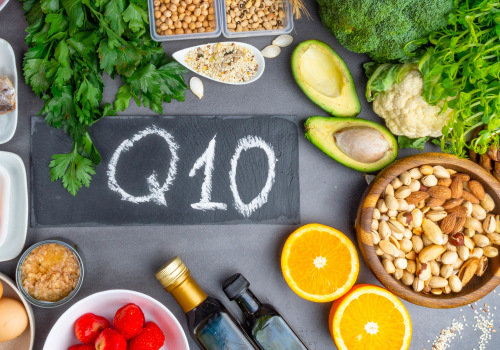
CoQ10, clearly considered.
The Truth About CoQ10: Essential Insights and Benefits
Discover the health benefits, safety, and uses of CoQ10. Learn how this powerful antioxidant supports energy production and heart health.

Coenzyme Q10, commonly referred to as CoQ10, is a naturally occurring antioxidant found in the cells of the human body. This vital compound plays a crucial role in the production of energy within the mitochondria, which are often described as the "powerhouses" of the cell. CoQ10 is essential for converting nutrients into adenosine triphosphate (ATP), the energy currency that fuels various cellular processes. Interestingly, studies suggest that nutrients like vitamin k2 can work synergistically with CoQ10 to enhance overall cellular function. , is a naturally occurring antioxidant found in the cells of the human body. This vital compound plays a crucial role in the production of energy within the mitochondria, which are often described as the "powerhouses" of the cell. CoQ10 is essential for converting nutrients into adenosine triphosphate (ATP), the energy currency that fuels various cellular processes. Interestingly, studies suggest that nutrients like vitamin k2 can work synergistically with CoQ10 to enhance overall cellular function.
Without adequate levels of CoQ10, our cells may struggle to perform optimally, leading to fatigue and other health issues. Structurally, CoQ10 is a lipid-soluble compound, which means it dissolves in fats and oils. This characteristic allows it to be easily absorbed by the body when consumed with dietary fats. The body synthesizes CoQ10 from the amino acids phenylalanine and tyrosine, along with several vitamins and minerals. However, as we age or face certain health conditions, our natural production of CoQ10 can decline, making supplementation an appealing option for many individuals seeking to maintain their energy levels and overall health. Beyond its role in energy production, CoQ10 also serves as a powerful antioxidant, helping to neutralize harmful free radicals that can cause oxidative stress and damage to cells.
This dual function—supporting energy metabolism while protecting cellular integrity—highlights why CoQ10 is often regarded as a key player in promoting cardiovascular health and overall well-being. Understanding what CoQ10 is and how it functions within our bodies lays the groundwork for exploring its potential health benefits and applications in various therapeutic contexts.
The Health Benefits of CoQ10
Coenzyme Q10, commonly referred to as CoQ10, is a naturally occurring antioxidant found in the body that plays a crucial role in energy production and cellular health. Its benefits extend beyond mere energy enhancement, making it a popular supplement among those seeking to improve their overall health. One of the most significant advantages of CoQ10 is its impact on heart health. Research indicates that CoQ10 can help improve heart function, particularly in individuals with heart disease.It has been shown to:
- Enhance energy production: CoQ10 is vital for the production of adenosine triphosphate (ATP), the energy currency of cells. This is particularly important for heart cells, which require substantial energy to function effectively.
- Reduce oxidative stress: As an antioxidant, CoQ10 helps neutralize free radicals, which can damage cells and contribute to heart disease. By reducing oxidative stress, CoQ10 may help protect the heart from damage.
- Improve blood vessel function: Some studies suggest that CoQ10 can enhance endothelial function, which is essential for maintaining healthy blood vessels and regulating blood pressure.
This effect can be particularly beneficial for those suffering from conditions that cause chronic fatigue or low energy levels. Moreover, CoQ10's antioxidant properties extend to other areas of health as well. It has been studied for its potential benefits in:
- Migraine relief: Some research suggests that CoQ10 may help reduce the frequency and severity of migraines, possibly by improving mitochondrial function and reducing inflammation.
- Exercise performance: Athletes and fitness enthusiasts may find that CoQ10 supplementation enhances exercise performance by improving energy production and reducing muscle fatigue.
- Aging support: As we age, natural levels of CoQ10 decline. Supplementing with CoQ10 may help mitigate some age-related declines in cellular function and overall vitality.
However, as with any supplement, it is advisable to consult with a healthcare provider before starting a new regimen to ensure it aligns with individual health needs and conditions.
How CoQ10 Works in the Body
Coenzyme Q10, commonly referred to as CoQ10, plays a crucial role in the body’s energy production and acts as a powerful antioxidant. Understanding how CoQ10 works at a biochemical level can provide valuable insights into its health benefits. At the core of its function, CoQ10 is primarily located in the mitochondria, the powerhouse of the cell. Mitochondria are responsible for producing adenosine triphosphate (ATP), the energy currency of the cell. CoQ10 is integral to the electron transport chain, a series of reactions that occur within the inner mitochondrial membrane.Here’s how it works:
- Electron Transport Chain: CoQ10 accepts electrons from various substrates during cellular respiration. It transfers these electrons through a series of protein complexes, ultimately leading to the production of ATP.
- Energy Production: By facilitating electron transfer, CoQ10 helps maintain the proton gradient across the mitochondrial membrane, which is essential for ATP synthesis. This process is vital for cells that require high energy, such as heart and muscle cells.
The antioxidant properties of CoQ10 are significant for several reasons:
- Cellular Protection: By scavenging free radicals, CoQ10 protects cellular membranes, proteins, and DNA from oxidative damage.
- Anti-Inflammatory Effects: CoQ10 may help reduce inflammation by modulating oxidative stress levels, which can contribute to various chronic diseases.
- Take with Meals: Consuming CoQ10 with meals that contain healthy fats can significantly improve its absorption.
- Formulation Matters: Some formulations, such as ubiquinol (the reduced form of CoQ10), may offer better absorption compared to ubiquinone (the oxidized form).
Forms of CoQ10: Which One Should You Choose?
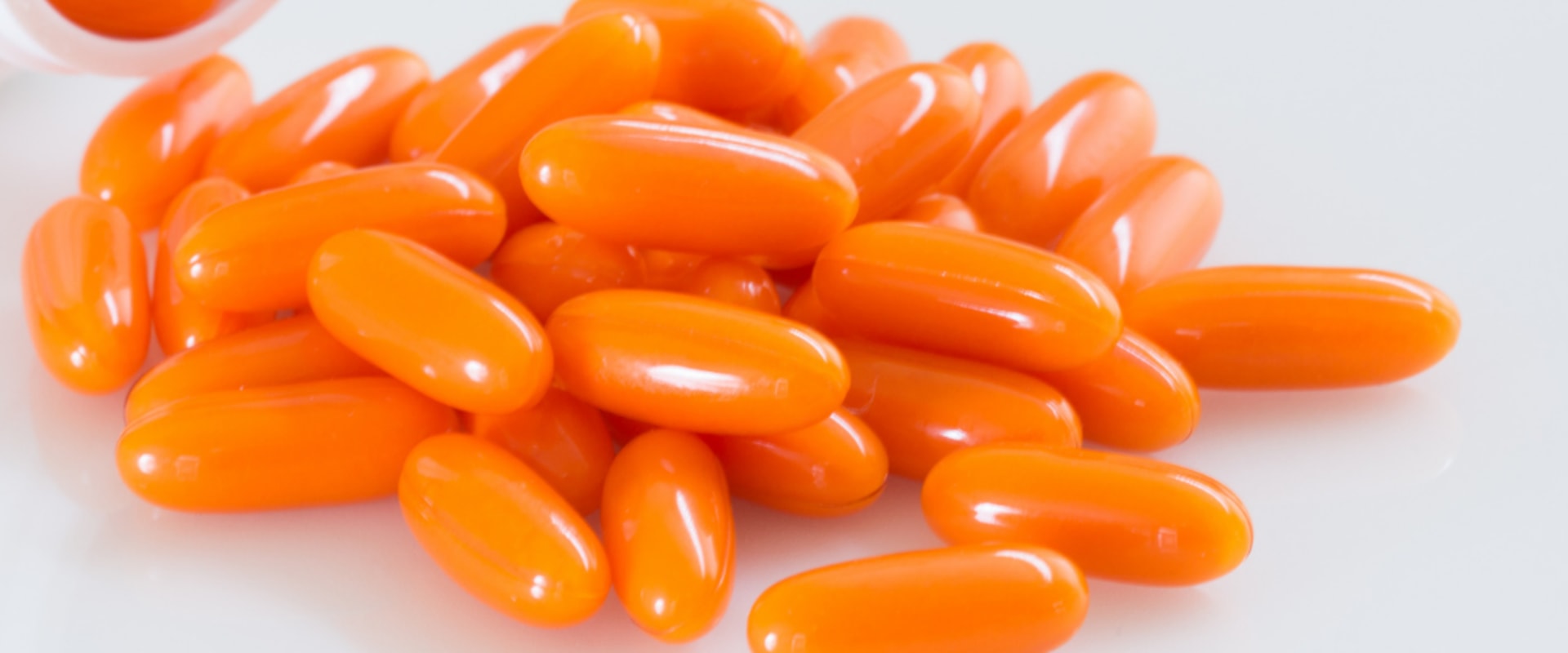
When considering CoQ10 supplements, one of the most important factors to evaluate is the form in which they are available.The three primary forms of CoQ10 on the market are capsules, tablets, and liquid. Each form has its own unique characteristics that can influence absorption rates and overall effectiveness.
Capsules vs. Tablets
Both capsules and tablets are popular choices for those looking to incorporate CoQ10 into their daily routine. Here’s a closer look at each:-
Capsules: These are typically made from gelatin or vegetarian materials and are designed to dissolve quickly in the stomach.
This rapid dissolution can lead to faster absorption of CoQ10 into the bloodstream. Many users prefer capsules because they are often easier to swallow and may have a more neutral taste.
- Tablets: Tablets are compressed forms of CoQ10 that may take longer to break down in the digestive system. While they can be more stable and have a longer shelf life, some individuals find them harder to swallow. Additionally, the absorption rate may be slightly lower compared to capsules due to the time it takes for the tablet to dissolve.
Liquid CoQ10: A Unique Option
Liquid CoQ10 is another option that has gained traction among consumers.This form is often marketed as having superior absorption capabilities due to its liquid state, which allows for quicker uptake by the body. Here are some benefits of choosing liquid CoQ10:
- Enhanced Absorption: Liquid forms of CoQ10 can be absorbed more efficiently than solid forms, potentially leading to higher bioavailability.
- Convenience: For those who have difficulty swallowing pills, liquid CoQ10 offers an easy alternative. It can be taken directly or mixed with beverages.
- Taste Options: Many liquid formulations come in flavored varieties, making them more palatable for users who dislike the taste of traditional capsules or tablets.
Potential Side Effects and Safety Concerns
When considering any supplement, including CoQ10, it is essential to be aware of potential side effects and safety concerns.While many individuals tolerate CoQ10 well, some may experience mild adverse reactions.
Common Side Effects
- Digestive Issues: Some users report gastrointestinal discomfort, which can include symptoms such as nausea, diarrhea, and abdominal pain.
- Loss of Appetite: A decrease in appetite has been noted by some individuals taking CoQ10.
- Heartburn: This can occur, particularly in those who are sensitive to supplements.
- Fatigue or Insomnia: While CoQ10 is often taken for its energy-boosting properties, a few users have reported feeling unusually tired or having trouble sleeping.
Long-Term Safety Concerns
While short-term use of CoQ10 appears to be safe for most individuals, there is limited research on its long-term safety. This lack of extensive studies raises questions about the effects of prolonged use.
For specific populations, such as pregnant or breastfeeding women, the absence of research on CoQ10's safety is particularly concerning. It is crucial for these individuals to consult with their healthcare provider before starting any new supplement regimen.
Consulting Healthcare Providers
Before incorporating CoQ10 into your daily routine, especially if you belong to a vulnerable group or have pre-existing health conditions, it is wise to seek guidance from a healthcare professional. They can provide personalized advice based on your health history and current medications.
In summary, while CoQ10 is generally considered safe for most people and offers various health benefits, being informed about potential side effects and safety concerns is vital. Always prioritize your health by consulting with a professional when in doubt.
Who Should Consider Taking CoQ10?
CoQ10 supplementation can be particularly beneficial for certain groups of individuals.Understanding who might gain the most from this antioxidant can help tailor health strategies effectively. Here are some specific populations that should consider incorporating CoQ10 into their health regimen:
- Individuals with Heart Conditions: CoQ10 has been extensively studied for its potential benefits in heart health. Those suffering from conditions such as heart failure, coronary artery disease, or hypertension may find that CoQ10 helps improve heart function and reduce symptoms. Research indicates that it can enhance energy production in heart cells, which is crucial for maintaining a healthy cardiovascular system.
-
Older Adults: As we age, our natural levels of CoQ10 tend to decline.
This reduction can contribute to various age-related health issues, including decreased energy levels and increased oxidative stress. Older adults may benefit from supplementation to help maintain energy levels and support overall health.
- People Taking Statins: Statin medications, commonly prescribed for lowering cholesterol, can deplete the body’s natural CoQ10 levels. Individuals on these medications may experience muscle pain or weakness as a side effect. Supplementing with CoQ10 could help mitigate these effects and restore balance.
-
Athletes and Active Individuals: For those engaged in regular physical activity, CoQ10 may enhance exercise performance by improving energy production and reducing fatigue.
Some studies suggest that it can also aid in recovery after intense workouts.
- Individuals with Migraines: There is evidence to suggest that CoQ10 may help reduce the frequency and severity of migraines. Those who suffer from chronic migraines might consider discussing CoQ10 supplementation with their healthcare provider as part of a comprehensive treatment plan.
Dosage Recommendations for CoQ10
When considering CoQ10 supplementation, understanding the appropriate dosage is crucial for maximizing its potential benefits while minimizing any risks. The optimal dosage can vary based on individual health needs, age, and specific health conditions.General Dosage Guidelines
- For general health maintenance, a typical daily dose of CoQ10 ranges from 30 mg to 200 mg.
- Individuals looking to support cardiovascular health may benefit from doses between 100 mg and 300 mg per day.
- For those managing specific conditions such as heart failure or high blood pressure, higher doses of 200 mg to 600 mg may be recommended, often under medical supervision.
Factors Influencing Dosage
The appropriate dosage of CoQ10 can be influenced by several factors:
- Age: Older adults may require higher doses due to decreased natural production of CoQ10 in the body.
- Health Conditions: Individuals with chronic diseases or those taking certain medications (like statins) that deplete CoQ10 levels may need increased dosages.
-
Form of CoQ10: The bioavailability of CoQ10 can vary between different formulations.
Ubiquinol, the reduced form of CoQ10, is often better absorbed than ubiquinone, which may affect the dosage needed.
Consulting with Healthcare Providers
Before starting any new supplement regimen, including CoQ10, it is essential to consult with a healthcare provider. They can provide personalized recommendations based on your health status and any medications you may be taking. This is particularly important for pregnant or breastfeeding women, as well as individuals with underlying health issues.
Monitoring and Adjusting Dosage
Once you begin taking CoQ10, monitor your body's response. If you experience any adverse effects or if your health needs change, it may be necessary to adjust your dosage.
Regular follow-ups with your healthcare provider can help ensure that you are taking the right amount for your specific situation.
Frequently Asked Questions About CoQ10
As interest in CoQ10 continues to grow, so do the questions surrounding its use, benefits, and potential side effects. Here, we address some of the most frequently asked questions to help clarify common misconceptions and provide accurate information.What is CoQ10 and how does it work?
Coenzyme Q10, or CoQ10, is a naturally occurring antioxidant found in the body, particularly in the mitochondria of cells. It plays a crucial role in energy production by aiding in the conversion of food into energy. Additionally, CoQ10 helps protect cells from oxidative stress and damage caused by free radicals.Can CoQ10 help with heart health?
Many studies suggest that CoQ10 may support heart health by improving energy production in heart cells, reducing oxidative damage, and enhancing overall cardiovascular function.Some research indicates that it may help lower blood pressure and improve symptoms in individuals with heart failure.
Is CoQ10 safe for everyone?
While CoQ10 is generally considered safe for most people, it is essential to consult with a healthcare provider before starting any new supplement, especially for pregnant or breastfeeding women, or those with underlying health conditions. Some individuals may experience mild side effects such as digestive issues or headaches.Are there any myths about CoQ10?
- Myth: CoQ10 is only beneficial for older adults.
- Fact: While older adults may have lower levels of CoQ10, individuals of all ages can benefit from its antioxidant properties.
- Myth: All forms of CoQ10 are the same.
- Fact: There are two main forms: ubiquinone (oxidized) and ubiquinol (reduced). Ubiquinol is more easily absorbed by the body.
How should I take CoQ10 for best results?
To maximize absorption, it is recommended to take CoQ10 with a meal that contains fat. The typical dosage ranges from 100 to 200 mg per day, but it's best to follow your healthcare provider's recommendations based on your specific needs. If you have more questions about CoQ10, consider discussing them with a healthcare professional who can provide personalized advice based on your health status and goals.Conclusion: The Bottom Line on CoQ10
In summary, CoQ10 is a powerful antioxidant that plays a crucial role in cellular energy production and overall health.Throughout this article, we have explored its various benefits, potential side effects, and considerations for safe usage. One of the most significant advantages of CoQ10 is its ability to support heart health. Research indicates that it may help improve symptoms in individuals with heart failure and reduce blood pressure levels. Additionally, its antioxidant properties can protect cells from oxidative stress, which is linked to various chronic diseases. Moreover, CoQ10 has shown promise in alleviating migraine symptoms and enhancing exercise performance. For those who suffer from frequent migraines, incorporating CoQ10 into their regimen may provide relief and improve their quality of life.
Athletes and fitness enthusiasts may also benefit from its potential to boost energy levels and reduce fatigue during workouts. However, while CoQ10 is generally considered safe for most individuals, it is essential to be aware of possible side effects such as digestive issues and stomach discomfort. Long-term safety remains a topic of ongoing research, particularly for pregnant or breastfeeding women, who should consult healthcare professionals before starting any new supplement. When considering adding CoQ10 to your daily routine, it’s vital to choose the right form—whether capsules, tablets, or liquid—and to take it with a meal containing fat for optimal absorption. Always consult with a healthcare provider to determine the appropriate dosage tailored to your specific health needs. In conclusion, CoQ10 offers numerous health benefits that can enhance well-being when used responsibly. By understanding its effects and consulting with healthcare professionals, you can make informed decisions about incorporating this supplement into your lifestyle.