CoQ10, clearly considered.
The Truth About CoQ10: Debunking Myths and Exploring Benefits
Discover the truth about CoQ10, its benefits for heart health, energy production, and common myths surrounding this essential nutrient.
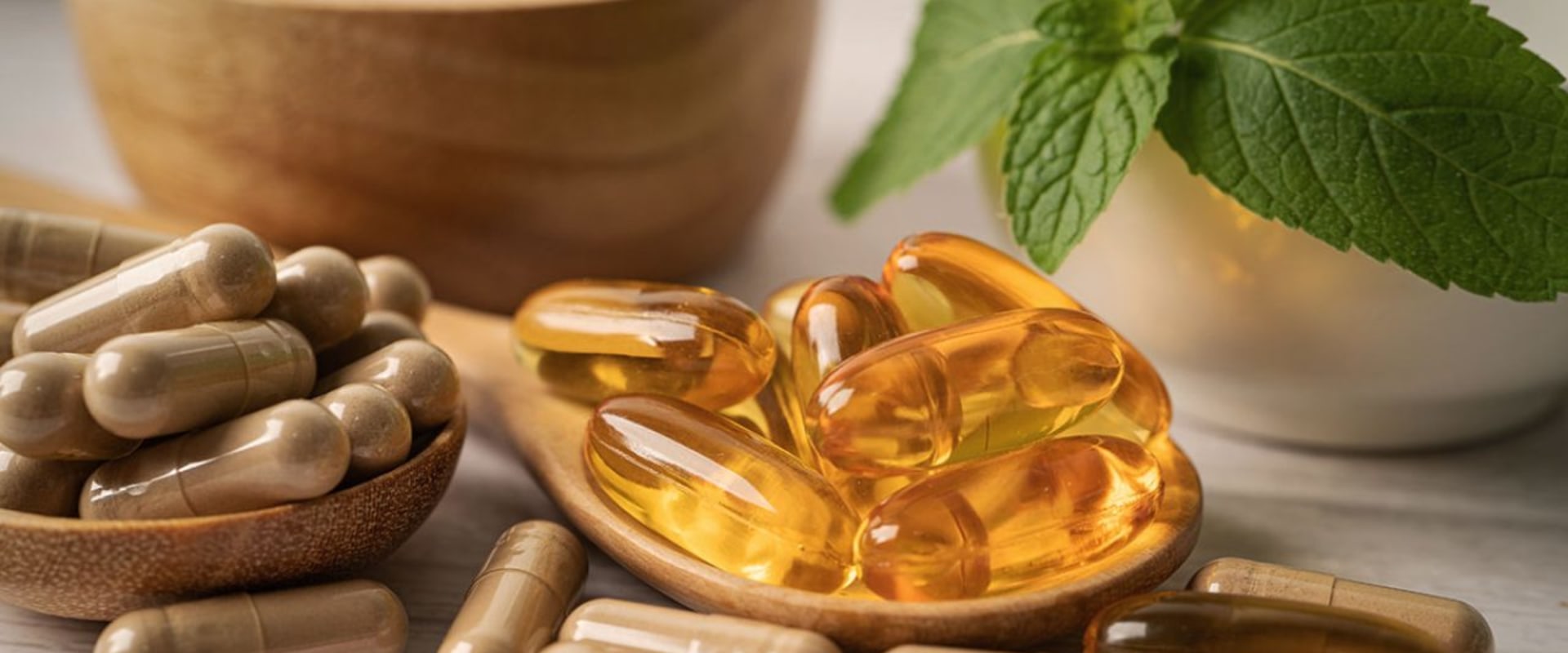

Coenzyme Q10, commonly referred to as CoQ10, is a vital compound that plays a significant role in the overall functioning of our bodies. This naturally occurring substance is found in every cell, where it is essential for the production of adenosine triphosphate (ATP), the energy currency of the cell. As we age, our bodies produce less coq10 capsules 100mgcoq10 capsules 100mg, which can lead to decreased energy levels and various health issues. For those seeking to enhance their skin health, incorporating supplements for clear skin that include , which can lead to decreased energy levels and various health issues. For those seeking to enhance their skin health, incorporating supplements for clear skin that include coq10 capsules 100mg may be beneficial. Understanding what CoQ10 is and how it works is crucial for anyone considering its supplementation. CoQ10 serves two primary functions: it aids in energy production and acts as a powerful antioxidant.
In terms of energy production, CoQ10 is integral to the mitochondrial function, where it helps convert nutrients into energy. This process is vital for maintaining the health of organs that require high energy levels, such as the heart and muscles. Additionally, as an antioxidant, CoQ10 helps neutralize harmful free radicals in the body, protecting cells from oxidative stress and damage. The benefits of CoQ10 extend beyond just energy enhancement and antioxidant protection. Research has suggested that this coenzyme may support cardiovascular health by improving blood vessel function and reducing oxidative damage to heart tissues.
Furthermore, some studies indicate that CoQ10 may play a role in improving exercise performance and reducing muscle fatigue, making it a popular choice among athletes and fitness enthusiasts. In summary, CoQ10 is not just a supplement; it is a fundamental component of our cellular machinery that supports energy production and protects against oxidative damage. As we delve deeper into the myths and benefits surrounding CoQ10, having a solid understanding of its role in our bodies will help clarify its importance in maintaining optimal health.
The Health Benefits of CoQ10
Coenzyme Q10, commonly known as CoQ10, is a vital nutrient that plays a significant role in various bodily functions. Its health benefits are extensive, particularly in the realms of heart health and energy production. Understanding these benefits can help individuals make informed decisions about incorporating CoQ10 into their wellness routines.CoQ10 and Heart Health
One of the most well-researched benefits of CoQ10 is its positive impact on heart health.Studies have shown that CoQ10 can:
- Support Heart Function: CoQ10 is essential for the production of adenosine triphosphate (ATP), the energy currency of cells, which is crucial for maintaining optimal heart function.
- Improve Blood Vessel Health: CoQ10 has been found to enhance endothelial function, which helps in regulating blood flow and maintaining healthy blood pressure levels.
- Reduce Oxidative Stress: As a powerful antioxidant, CoQ10 helps neutralize free radicals, reducing oxidative stress that can lead to cardiovascular diseases.
Boosting Energy Levels with CoQ10
Another significant benefit of CoQ10 is its role in enhancing energy levels. Many individuals report feeling more energetic after supplementing with CoQ10. This increase in energy can be attributed to several mechanisms:- Enhanced ATP Production: By facilitating the conversion of nutrients into ATP, CoQ10 directly contributes to increased energy availability for cellular processes.
- Improved Exercise Performance: Some studies suggest that CoQ10 supplementation may improve exercise performance by reducing fatigue and increasing endurance.
- Support for Mitochondrial Function: Mitochondria are the powerhouses of cells, and CoQ10 is crucial for their optimal functioning, leading to better energy metabolism.
Common Myths About CoQ10: Debunking Misconceptions
Despite the growing popularity of CoQ10 supplements, several myths and misconceptions continue to circulate, leading to confusion among potential users.Addressing these myths is crucial for ensuring that individuals can make informed decisions about their health.
Myth 1: CoQ10 is only for older adults.
While it is true that CoQ10 levels naturally decline with age, this does not mean that only older adults can benefit from supplementation. Young adults and even children may experience benefits from CoQ10, especially those with specific health conditions or those who are physically active. Athletes, for instance, may use CoQ10 to enhance energy production and improve performance.
Myth 2: CoQ10 is not effective.
Some skeptics argue that CoQ10 does not provide any real health benefits. However, numerous studies have shown that CoQ10 can support heart health, improve energy levels, and act as a powerful antioxidant.
Research indicates that it may help reduce the risk of heart disease and improve symptoms in individuals with certain conditions, such as congestive heart failure.
Myth 3: All CoQ10 supplements are the same.
This misconception can lead to poor choices when selecting a supplement. In reality, there are different forms of CoQ10, including ubiquinone and ubiquinol. Ubiquinol is the active form and is often better absorbed by the body. Therefore, it’s essential to choose a high-quality supplement that suits your needs.
Myth 4: CoQ10 has severe side effects.
While some individuals may experience mild side effects such as digestive discomfort or headaches, serious side effects are rare.
Most people tolerate CoQ10 well, and it is generally considered safe for long-term use. However, as with any supplement, it’s advisable to consult a healthcare professional before starting.
Myth 5: You can get enough CoQ10 from diet alone.
Although certain foods like fatty fish, organ meats, and whole grains contain CoQ10, the amounts are often insufficient to significantly raise levels in the body. For those looking to achieve therapeutic benefits, supplementation may be necessary.
By debunking these common myths about CoQ10, we can help individuals better understand its potential benefits and make informed choices regarding their health and wellness.
Potential Side Effects of CoQ10: What You Need to Know
When considering the use of CoQ10 supplements, it is essential to be aware of potential side effects and interactions that may arise. While many individuals tolerate CoQ10 well, some may experience mild adverse effects, particularly when starting supplementation.Common Side Effects
-
Digestive Issues: The most frequently reported side effects of CoQ10 include digestive discomforts such as nausea, diarrhea, and abdominal pain.
These symptoms are generally mild and can often be mitigated by taking the supplement with food.
- Loss of Appetite: Some users have noted a decrease in appetite when taking CoQ10. This can be particularly concerning for individuals who are already struggling to maintain a healthy diet.
- Fatigue or Insomnia: Although CoQ10 is known for its energy-boosting properties, a small number of users report feelings of fatigue or difficulty sleeping. This may be due to the body adjusting to the supplement.
Is CoQ10 Safe?
Overall, CoQ10 is considered safe for most people when taken at recommended dosages. However, it is crucial to consult with a healthcare provider before starting any new supplement regimen, especially for those who are pregnant, breastfeeding, or have underlying health conditions.
Interactions with Medications
CoQ10 may interact with certain medications, which can affect its efficacy or lead to unwanted side effects. Here are some key interactions to consider:
-
Blood Thinners: CoQ10 may reduce the effectiveness of anticoagulant medications such as warfarin.
If you are on blood thinners, it is vital to discuss CoQ10 supplementation with your doctor.
- Blood Pressure Medications: Some studies suggest that CoQ10 can lower blood pressure. If you are taking antihypertensive medications, monitoring your blood pressure closely while using CoQ10 is advisable.
- Diabetes Medications: CoQ10 may affect blood sugar levels. Diabetic patients should consult their healthcare provider before adding this supplement to their routine.
How to Incorporate CoQ10 into Your Diet
Incorporating CoQ10 into your diet can be a straightforward process, whether you choose to obtain it through food sources or supplements.Understanding the best ways to increase your intake can help you maximize the potential health benefits associated with this vital nutrient.
Dietary Sources of CoQ10
While the body naturally produces CoQ10, dietary sources can also contribute to your overall levels. Here are some foods rich in CoQ10:- Meats: Organ meats, particularly heart, liver, and kidney, are among the richest sources of CoQ10. For example, beef heart contains significantly higher levels compared to other cuts.
- Poultry: Chicken and turkey are good sources as well, providing a moderate amount of CoQ10.
- Fish: Fatty fish such as salmon, mackerel, and sardines not only offer healthy omega-3 fatty acids but also contain CoQ10.
- Nuts and Seeds: Peanuts, sesame seeds, and pistachios are plant-based options that provide a decent amount of CoQ10.
- Vegetables: Spinach, broccoli, and cauliflower are among the vegetables that contain CoQ10, although in smaller amounts compared to animal products.
- Whole Grains: Foods like oats and wheat germ can also contribute to your CoQ10 intake.
How to Take CoQ10 Supplements
If you find it challenging to get enough CoQ10 from your diet alone or if you have specific health goals in mind, supplements can be an effective alternative. Here are some tips on how to take CoQ10 supplements:- Select the Right Form: CoQ10 is available in various forms including soft gels, capsules, and powders. Ubiquinol is the active form of CoQ10 that is more easily absorbed by the body compared to ubiquinone.
-
Dosing: Typical dosages range from 100 mg to 300 mg per day.
However, it’s advisable to consult with a healthcare professional for personalized recommendations based on your health status and needs.
- Timing: Taking CoQ10 with meals can enhance absorption since it is fat-soluble. Consider incorporating it into your breakfast or lunch routine.
- Consistency is Key: For optimal results, take your supplement consistently at the same time each day.
Who Should Consider Taking CoQ10?
CoQ10 supplementation can be particularly beneficial for certain groups of individuals, especially those with specific health conditions or age-related concerns. Understanding who should consider taking CoQ10 can help tailor its use to maximize health benefits.1.Older Adults
As we age, our natural production of CoQ10 declines, which can lead to decreased energy levels and increased oxidative stress. Older adults may find that supplementing with CoQ10 helps improve their energy, supports heart health, and enhances overall vitality.
Research suggests that CoQ10 may also play a role in reducing the risk of age-related diseases.
2.Individuals with Heart Conditions
People suffering from heart disease or related conditions may benefit significantly from CoQ10 supplementation. Studies have shown that CoQ10 can improve heart function, reduce symptoms of congestive heart failure, and lower blood pressure. It is often recommended for patients undergoing treatments that may deplete their natural CoQ10 levels, such as statin medications.
3.Those with Mitochondrial Disorders
Mitochondrial disorders affect the body’s ability to produce energy efficiently. Individuals diagnosed with these conditions may experience fatigue and muscle weakness.
Supplementing with CoQ10 can help enhance mitochondrial function, potentially alleviating some of these symptoms and improving quality of life.
4.Athletes and Active Individuals
Athletes or those engaged in regular intense physical activity may also consider CoQ10 supplementation. It has been shown to improve exercise performance by enhancing energy production and reducing oxidative stress during workouts. This can lead to improved endurance and faster recovery times.
5.People with Chronic Fatigue Syndrome
Chronic Fatigue Syndrome (CFS) is characterized by persistent fatigue that doesn’t improve with rest. Some studies suggest that CoQ10 may help alleviate symptoms of CFS by boosting energy levels and improving mitochondrial function.
6.Diabetics
Individuals with diabetes may also benefit from CoQ10 supplementation, as it has been linked to improved insulin sensitivity and better blood sugar control.
Additionally, its antioxidant properties can help mitigate oxidative stress associated with diabetes. Before starting any new supplement regimen, it is crucial for individuals to consult with a healthcare professional to determine the appropriate dosage and ensure it aligns with their specific health needs.
Frequently Asked Questions About CoQ10
As interest in CoQ10 continues to grow, many individuals have questions regarding its use, benefits, and safety. Below, we address some of the most frequently asked questions about this powerful supplement.What is the recommended dosage of CoQ10?
The appropriate dosage of CoQ10 can vary based on individual health needs and the specific condition being addressed. Generally, a daily dose of 100 mg to 200 mg is considered effective for most adults. However, some studies have used doses as high as 600 mg per day for specific health conditions.It is advisable to start with a lower dose and gradually increase it while monitoring your body's response. Always consult with a healthcare professional before beginning any new supplement regimen.
Can I take CoQ10 with other medications?
Yes, CoQ10 can often be taken alongside other medications; however, it is crucial to consult your doctor first. Some medications, particularly blood thinners like warfarin, may interact with CoQ10 and affect its efficacy or safety. Your healthcare provider can help you determine the best approach to incorporating CoQ10 into your existing medication plan.Are there any side effects associated with CoQ10?
While CoQ10 is generally well-tolerated, some individuals may experience mild side effects.Commonly reported issues include:
- Digestive discomfort (e.g., nausea, diarrhea)
- Headaches
- Dizziness
- Insomnia
Is CoQ10 safe for everyone?
CoQ10
is considered safe for most people; however, certain groups should exercise caution. Pregnant or breastfeeding women should avoid using CoQ10 unless directed by a healthcare professional. Additionally, individuals with specific health conditions or those taking certain medications should consult their doctor before starting supplementation.
How long does it take to see results from CoQ10?
The time it takes to notice the benefits of CoQ10 can vary widely among individuals. Some may experience improvements in energy levels or overall well-being within a few weeks, while others may require several months of consistent use to observe significant changes.Patience and consistency are key when incorporating any supplement into your health routine. If you have more questions about CoQ10, consider discussing them with a healthcare professional who can provide personalized advice based on your health history and needs.
Conclusion: The Role of CoQ10 in Your Health Journey
In summary, CoQ10 emerges as a vital component in the conversation surrounding health and wellness. Throughout this article, we have explored the multifaceted benefits of CoQ10, from its role in energy production to its antioxidant properties that combat oxidative stress. As we age, our natural levels of CoQ10 decline, prompting many to consider supplementation as a means to restore balance and enhance overall health. It is essential to address the myths that often cloud the understanding of CoQ10. Many individuals harbor misconceptions about its safety and efficacy, which can deter them from reaping its potential benefits. The evidence suggests that while some may experience mild side effects, such as digestive discomfort, CoQ10 is generally regarded as safe for most people.Consulting with a healthcare professional before starting any new supplement is always advisable, particularly for those with pre-existing health conditions or those taking medications. Moreover, while supplements can provide a concentrated source of CoQ10, it is also beneficial to incorporate food sources rich in this compound into your diet. Foods like fatty fish, organ meats, and whole grains can contribute to your daily intake of CoQ10, complementing the effects of supplementation. Ultimately, the decision to include CoQ10 in your health regimen should be informed and personalized. Consider your individual health goals, lifestyle factors, and any existing medical conditions. By doing so, you can make a well-rounded decision that aligns with your unique health journey. As you navigate the world of dietary supplements, remember that knowledge is power.
Understanding the science behind CoQ10, its benefits, and potential side effects will empower you to make choices that support your long-term health and well-being.