CoQ10, clearly considered.
Unlocking the Power of CoQ10: Essential Benefits for Optimal Health
Discover the powerful benefits of CoQ10 supplementation for energy, heart health, and cognitive function. Enhance your well-being today!

Coenzyme Q10, commonly referred to as CoQ10, is a naturally occurring antioxidant found in every cell of the human body. This vital compound plays a crucial role in the production of adenosine triphosphate (ATP), the energy currency of our cells. ATP is essential for powering various cellular functions, from muscle contraction to the synthesis of proteins. As we age, our bodies produce less CoQ10, which can lead to a decline in energy levels and overall health.
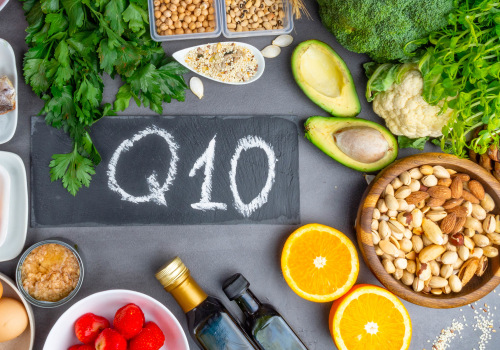
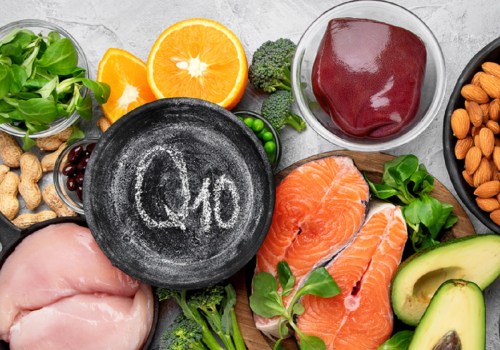
Incorporating organic foods into our diet may help support the body's natural production of CoQ10 and enhance overall well-being. Understanding how Incorporating organic foods into our diet may help support the body's natural production of CoQ10 and enhance overall well-being. Understanding how CoQ10 works is fundamental to appreciating its benefits. CoQ10 exists in two forms: ubiquinone and ubiquinol. Ubiquinone is the oxidized form, while ubiquinol is the reduced form that acts as a powerful antioxidant. Both forms are involved in the electron transport chain within mitochondria, where they facilitate the conversion of nutrients into energy.
This process not only generates ATP but also helps protect cells from oxidative stress caused by free radicals, which can damage cellular components and contribute to aging and disease. The importance of CoQ10 extends beyond energy production; it also supports cardiovascular health, enhances exercise performance, and may even improve cognitive function. Research has shown that adequate levels of CoQ10 can help maintain healthy blood pressure, improve heart function in individuals with heart disease, and reduce the frequency of migraines. Furthermore, its antioxidant properties may play a role in reducing inflammation and promoting overall wellness. In summary, CoQ10 is an essential nutrient that supports cellular energy production and protects against oxidative damage. As we delve deeper into the benefits of CoQ10 supplementation, it becomes clear that maintaining optimal levels of this coenzyme is vital for achieving and sustaining good health.
The Role of CoQ10 in Energy Production
Coenzyme Q10, commonly referred to as CoQ10, plays a pivotal role in the production of adenosine triphosphate (ATP), the primary energy currency of our cells.ATP is essential for various cellular functions, including muscle contraction, nerve impulse transmission, and overall metabolic processes. Understanding how CoQ10 contributes to ATP synthesis can shed light on its importance in maintaining optimal energy levels and enhancing physical performance. The mitochondria, often dubbed the "powerhouses" of the cell, are where ATP is produced. Within these organelles, CoQ10 acts as a crucial electron carrier in the electron transport chain, a series of reactions that ultimately lead to ATP generation. As electrons are transferred through this chain, protons are pumped across the mitochondrial membrane, creating a gradient that drives ATP synthesis through a process known as oxidative phosphorylation. Without adequate levels of CoQ10, this process can become inefficient, leading to decreased ATP production and resulting in fatigue and reduced physical performance.
This is particularly significant for individuals who engage in high-intensity exercise or those experiencing chronic fatigue syndromes. Supplementing with CoQ10 can help restore optimal levels, thereby enhancing energy metabolism. Research has shown that individuals taking CoQ10 supplements often report increased energy levels and improved exercise performance. For instance, athletes may experience enhanced endurance and reduced recovery times after strenuous workouts. This is attributed to the ability of CoQ10 to improve mitochondrial function and increase ATP availability during physical exertion. Moreover, certain health conditions can lead to diminished levels of CoQ10, further impacting energy production.
Conditions such as heart disease, diabetes, and neurodegenerative disorders have been associated with lower CoQ10 levels. In these cases, supplementation may not only help boost energy but also support overall health by improving mitochondrial efficiency. In summary, CoQ10 is integral to energy production within our cells. By facilitating ATP synthesis in the mitochondria, it plays a vital role in maintaining energy levels and supporting physical performance. For those looking to enhance their vitality or combat fatigue, considering CoQ10 supplementation could be a beneficial step towards achieving optimal health.
CoQ10 as a Powerful Antioxidant
CoQ10, or Coenzyme Q10, is not only essential for energy production in our cells but also serves as a potent antioxidant.Antioxidants are crucial in combating oxidative stress, a condition that arises when there is an imbalance between free radicals and antioxidants in the body. Free radicals are unstable molecules that can cause cellular damage, leading to various chronic diseases and accelerating the aging process. One of the primary benefits of CoQ10's antioxidant properties is its ability to neutralize free radicals. By doing so, it helps protect cellular components such as DNA, proteins, and lipids from oxidative damage. This protective effect is particularly important for organs that have high energy demands, such as the heart and brain, where oxidative stress can lead to significant health issues. Research has shown that CoQ10 supplementation can enhance the body’s antioxidant defenses.
For instance, studies indicate that individuals with higher levels of CoQ10 exhibit lower markers of oxidative stress. This is especially relevant for older adults, as natural levels of CoQ10 tend to decline with age, making them more susceptible to oxidative damage. Moreover, CoQ10's role as an antioxidant extends beyond mere protection. It also plays a part in regenerating other antioxidants in the body, such as vitamin E and vitamin C. This synergistic effect amplifies the overall antioxidant capacity of the body, providing a more robust defense against oxidative stress. In addition to its protective qualities, CoQ10 has been linked to various health benefits associated with its antioxidant properties:
- Heart Health: By reducing oxidative stress in cardiovascular tissues, CoQ10 may help lower the risk of heart disease and improve overall heart function.
- Neuroprotection: The brain is particularly vulnerable to oxidative damage; thus, CoQ10 may play a role in protecting against neurodegenerative diseases like Alzheimer’s and Parkinson’s.
- Skin Health: CoQ10 can help mitigate skin aging by reducing oxidative damage caused by UV exposure and environmental pollutants.
By supporting cellular health and reducing oxidative stress, CoQ10 supplementation can contribute significantly to overall well-being.
Health Benefits of CoQ10 Supplementation
CoQ10 supplementation offers a multitude of health benefits that can significantly enhance overall well-being. One of the most notable advantages is its positive impact on heart health. CoQ10 plays a crucial role in the production of adenosine triphosphate (ATP), the energy currency of our cells, particularly in the heart muscle. Studies have shown that individuals with congestive heart failure who supplement with CoQ10 experience improved left ventricular function, increased exercise capacity, and enhanced quality of life.This is particularly important as heart disease remains one of the leading causes of mortality worldwide. In addition to cardiovascular benefits, CoQ10 is also linked to improved cognitive function. As we age, our natural levels of CoQ10 decline, which can contribute to cognitive decline and neurodegenerative diseases such as Alzheimer’s. Research indicates that CoQ10 supplementation may help protect brain cells from oxidative stress and improve mitochondrial function, potentially slowing the progression of cognitive impairment. This makes it a valuable supplement for those looking to maintain mental clarity and cognitive health as they age. Another area where CoQ10 shines is in enhancing muscle performance.
Athletes and fitness enthusiasts often turn to CoQ10 to boost their energy levels and reduce fatigue during intense workouts. By improving mitochondrial efficiency, CoQ10 can help increase endurance and reduce recovery time after exercise. This is particularly beneficial for those engaged in high-intensity training or endurance sports. Moreover, CoQ10 has been shown to have antioxidant properties, which help combat oxidative stress in the body. This is essential not only for heart and brain health but also for overall cellular health.
By neutralizing free radicals, CoQ10 can help reduce inflammation and lower the risk of chronic diseases. In summary, the health benefits of CoQ10 supplementation are extensive, ranging from enhanced heart health and cognitive function to improved muscle performance and antioxidant protection. As more research emerges, it becomes increasingly clear that incorporating CoQ10 into one’s daily regimen can be a proactive step towards achieving optimal health.
CoQ10 and Heart Health: A Closer Look
CoQ10, or Coenzyme Q10, has emerged as a significant player in the realm of heart health. This naturally occurring antioxidant is crucial for the production of energy within cells, particularly in the heart, which requires a substantial amount of energy to function effectively. As we age or face certain health challenges, our bodies may produce less CoQ10, leading to potential cardiovascular issues. Research indicates that CoQ10 supplementation can offer numerous cardiovascular benefits.For individuals with heart disease, CoQ10 has been shown to:
- Improve Heart Function: Studies have demonstrated that CoQ10 can enhance left ventricular function in patients with congestive heart failure. By improving the heart's ability to pump blood, patients often experience increased exercise capacity and reduced symptoms of fatigue.
- Reduce Blood Pressure: Some studies suggest that CoQ10 may help lower blood pressure in individuals with hypertension. This effect can be particularly beneficial for those looking to manage their cardiovascular health without relying solely on medication.
- Enhance Recovery Post-Heart Surgery: Patients undergoing heart surgery may benefit from CoQ10 supplementation, as it can aid in recovery by reducing oxidative stress and inflammation.
- Support Overall Heart Health: Regular intake of CoQ10 has been linked to improved endothelial function, which is vital for maintaining healthy blood vessels and preventing atherosclerosis.
While generally safe, CoQ10 can interact with certain medications, such as blood thinners. A tailored approach ensures that individuals receive the maximum benefit while minimizing any potential risks. In summary, CoQ10 supplementation presents a promising avenue for enhancing heart health, particularly for those facing cardiovascular challenges. By improving energy production and offering protective benefits against oxidative stress, CoQ10 can play a vital role in supporting overall cardiovascular wellness.
CoQ10 for Cognitive Function and Mental Clarity
CoQ10, or coenzyme Q10, is not only vital for energy production in our cells but also plays a significant role in supporting cognitive function and enhancing mental clarity. As we age, the natural levels of CoQ10 in our body tend to decline, which can adversely affect brain health and cognitive performance.This section delves into how CoQ10 supplementation can positively influence our mental faculties. Research has indicated that CoQ10 may help mitigate cognitive decline associated with aging and neurodegenerative diseases. One of the primary mechanisms through which CoQ10 exerts its effects is by improving mitochondrial function. Mitochondria are the powerhouses of our cells, including neurons, and are crucial for maintaining energy levels. Enhanced mitochondrial function leads to better energy availability for brain cells, which is essential for optimal cognitive performance. Moreover, CoQ10 acts as a potent antioxidant , protecting brain cells from oxidative stress.
Oxidative stress is a significant contributor to neurodegenerative conditions such as Alzheimer’s and Parkinson’s disease. By neutralizing free radicals, CoQ10 helps preserve neuronal integrity and function, potentially reducing the risk of cognitive impairment. Several studies have explored the cognitive benefits of CoQ10 supplementation:
- Memory Improvement: Some research suggests that individuals taking CoQ10 supplements may experience improvements in memory recall and retention.
- Enhanced Focus: Users have reported increased mental clarity and focus, making it easier to concentrate on tasks.
- Reduced Mental Fatigue: CoQ10 may help alleviate feelings of mental fatigue, allowing for prolonged periods of productivity without the typical cognitive burnout.
By restoring optimal levels through supplementation, individuals may find an improvement in their overall mood and mental health. In conclusion, incorporating CoQ10 into your daily regimen could be a valuable strategy for enhancing brain health, improving cognitive function, and achieving greater mental clarity. As always, it is advisable to consult with a healthcare professional before starting any new supplement to ensure it aligns with your individual health needs.
Potential Side Effects and Considerations When Taking CoQ10
While CoQ10 supplementation offers numerous health benefits, it is essential to consider potential side effects and contraindications to ensure safe usage. Understanding these factors can help individuals make informed decisions about incorporating CoQ10 into their health regimen.Common Side Effects
- Gastrointestinal Issues: Some individuals may experience mild gastrointestinal discomfort, including nausea, diarrhea, or stomach upset. These symptoms are generally transient and can often be mitigated by taking CoQ10 with food.
-
Allergic Reactions: Although rare, some people may have allergic reactions to CoQ10 supplements.
Symptoms can include rash, itching, or swelling. If any of these occur, it is crucial to discontinue use and consult a healthcare professional.
- Headaches: A few users report experiencing headaches after starting CoQ10 supplementation. This side effect may be related to changes in blood flow or energy metabolism.
Is CoQ10 Safe?
Overall, CoQ10 is considered safe for most individuals when taken at recommended dosages. Studies have shown that even high doses of CoQ10 do not lead to significant toxicity.
However, as with any supplement, individual responses can vary. It is advisable to start with a lower dose and gradually increase it while monitoring for any adverse effects.
Contraindications
Certain populations should exercise caution or avoid CoQ10 supplementation altogether:
- Pregnant or Nursing Women: There is limited research on the safety of CoQ10 during pregnancy and lactation. Therefore, it is best for these individuals to consult a healthcare provider before use.
- Individuals with Liver or Kidney Disease: Since CoQ10 is metabolized in the liver and excreted through the kidneys, those with existing liver or kidney conditions should avoid supplementation unless advised by a healthcare professional.
- Patients on Anticoagulants: Due to its structural similarity to vitamin K, CoQ10 may interfere with anticoagulant medications like warfarin. This interaction could potentially reduce the effectiveness of these medications, necessitating careful monitoring by a healthcare provider.
Consulting with a healthcare professional before starting any new supplement regimen can help ensure safety and efficacy tailored to individual health needs.
How to Choose the Right CoQ10 Supplement
When it comes to selecting the right CoQ10 supplement, there are several factors to consider to ensure you are making an informed choice. With a variety of products available on the market, understanding what to look for can help you find a high-quality supplement that meets your health needs.1.Form of CoQ10:
CoQ10 supplements come in two primary forms: ubiquinone and ubiquinol. Ubiquinone is the oxidized form, while ubiquinol is the reduced form that is more bioavailable, meaning it is easier for your body to absorb. If you are over 40 or have specific health conditions, you may benefit more from ubiquinol due to its enhanced absorption.
2.Dosage Recommendations:
The appropriate dosage of CoQ10 can vary based on individual health needs and conditions.
Generally, a daily dose of 100 to 200 mg is recommended for most adults. However, those with specific health issues, such as heart disease or migraines, may require higher doses, sometimes up to 600 mg per day. It’s essential to consult with a healthcare professional before starting any new supplement regimen to determine the right dosage for you.
3.Quality and Purity:
Look for supplements that have been third-party tested for quality and purity. This ensures that the product contains what it claims without harmful contaminants.
Certifications from organizations like NSF International or USP (United States Pharmacopeia) can provide additional assurance of quality.
4.Additional Ingredients:
Some CoQ10 supplements may include other beneficial ingredients such as omega-3 fatty acids or vitamin E, which can enhance the antioxidant effects of CoQ10. However, be cautious of fillers and artificial additives that may compromise the supplement's quality.
5.Brand Reputation:
Choose supplements from reputable brands known for their commitment to quality and transparency. Research customer reviews and check if the company has a history of good manufacturing practices.
6.Cost Considerations:
While price shouldn’t be the only factor in your decision, it’s important to find a supplement that fits your budget without sacrificing quality. Sometimes higher-priced products offer better absorption or additional benefits that justify the cost.
By considering these factors when choosing a CoQ10 supplement, you can make a more informed decision that aligns with your health goals and needs. Always remember to consult with a healthcare provider before starting any new supplement to ensure it’s appropriate for your individual circumstances.
Frequently Asked Questions About CoQ10 Supplementation
CoQ10 supplementation has garnered significant interest, leading to numerous questions regarding its efficacy, safety, and overall benefits.Below are some of the most frequently asked questions about CoQ10 to help clarify common doubts and provide valuable insights.
What is CoQ10 and how does it work?
Coenzyme Q10, or CoQ10, is a naturally occurring antioxidant found in every cell of the body. It plays a crucial role in the production of energy within the mitochondria, the powerhouse of cells. By facilitating the conversion of nutrients into adenosine triphosphate (ATP), CoQ10 helps maintain cellular energy levels, which is vital for overall health.Is CoQ10 effective for heart health?
Yes, numerous studies have indicated that CoQ10 supplementation can be beneficial for heart health. Research shows that it may improve symptoms in patients with congestive heart failure and enhance overall cardiovascular function.Additionally, it has been linked to reduced blood pressure and improved endothelial function.
Can CoQ10 help with energy levels?
Many individuals report increased energy levels after starting CoQ10 supplements. This is particularly true for those who have low levels of this coenzyme due to age or certain medical conditions. By boosting ATP production, CoQ10 can help combat fatigue and improve physical performance.Are there any side effects associated with CoQ10 supplementation?
Generally, CoQ10 is considered safe for most people when taken at recommended doses. Some individuals may experience mild side effects such as gastrointestinal discomfort, headaches, or dizziness.It is advisable to consult a healthcare professional before starting any new supplement regimen, especially for those with underlying health conditions.
How should I take CoQ10 for optimal results?
The recommended dosage of CoQ10 can vary based on individual health needs and conditions. Typically, doses range from 100 mg to 300 mg per day. It is best taken with a meal containing fat to enhance absorption. Always follow the guidance of a healthcare provider for personalized recommendations.Can I get enough CoQ10 from my diet?
While some foods contain CoQ10, such as fatty fish, organ meats, and whole grains, dietary sources alone may not provide sufficient amounts for those with specific health concerns or deficiencies.Supplementation can be an effective way to ensure adequate levels. If you have more questions about CoQ10, consider discussing them with a healthcare professional who can provide tailored advice based on your individual health profile.
Conclusion: Embracing CoQ10 for a Healthier Life
In conclusion, the significance of CoQ10 supplementation cannot be overstated when it comes to achieving and maintaining optimal health. Throughout this article, we have explored the multifaceted benefits of this powerful antioxidant, highlighting its essential role in energy production, heart health, and overall well-being. As we age or face certain health challenges, our natural levels of CoQ10 may decline, leading to a range of potential health issues. From cardiovascular diseases to neurodegenerative disorders, the implications of CoQ10 deficiency are profound. By incorporating CoQ10 supplements into our daily regimen, we can effectively combat these deficiencies and support our body's natural functions. Moreover, the positive effects of CoQ10 on heart health are particularly noteworthy.Research has demonstrated that individuals with heart conditions can experience significant improvements in their symptoms and quality of life through CoQ10 supplementation. This is a compelling reason for anyone concerned about their cardiovascular health to consider adding this supplement to their routine. Additionally, the benefits extend beyond just physical health. Mental clarity and cognitive function are also enhanced with adequate levels of CoQ10. Many individuals report improved focus and reduced mental fatigue after starting supplementation. This aspect is crucial in today’s fast-paced world where mental performance is often as important as physical health. As you contemplate your health journey, it is essential to recognize the potential of CoQ10.
Whether you are looking to boost your energy levels, improve heart function, or enhance cognitive abilities, CoQ10 may be a valuable ally. However, it is always advisable to consult with a healthcare professional before beginning any new supplement regimen to ensure it aligns with your individual health needs. In summary, embracing CoQ10 as part of a holistic approach to health can lead to significant improvements in both physical and mental well-being. By taking proactive steps towards supplementation, you are investing in a healthier future for yourself.