CoQ10, clearly considered.
Understanding the Interactions of CoQ10 with Medications: A Comprehensive Guide
Explore the interactions of CoQ10 with medications, including benefits and risks. Consult your healthcare provider for safe supplementation.


Coenzyme Q10, commonly referred to as CoQ10, is a vital antioxidant that plays a crucial role in the production of energy within our cells. Found in every cell of the human body, CoQ10 is particularly concentrated in the heart, liver, and kidneys, where energy demands are highest. This compound not only aids in the conversion of nutrients into adenosine triphosphate (ATP), the energy currency of cells, but it also helps protect cells from oxidative damage caused by free radicals. As we age, natural levels of CoQ10 tend to decline, which can impact overall health and vitality. The health benefits of CoQ10 are extensive and well-documented.
Research has shown that it may improve heart health by enhancing energy production in heart cells, reducing oxidative stress, and improving blood vessel function. Additionally, CoQ10 has been linked to improved exercise performance, as it can enhance physical endurance and reduce fatigue. Some studies even suggest that CoQ10 may play a role in managing conditions such as hypertension and certain neurodegenerative diseases like Parkinson's disease. However, while the potential benefits of CoQ10 supplementation are promising, it is essential to consider its interactions with various medications. As individuals explore the possibility of incorporating CoQ10 into their health regimen, understanding how this supplement may interact with prescribed drugs becomes paramount.
Certain medications can either diminish the effectiveness of CoQ10 or be affected by its presence in the body. Therefore, consulting with a healthcare provider before starting any new supplement is crucial to ensure safety and efficacy. In summary, CoQ10 is not just a supplement; it is a powerful ally in maintaining health and wellness. Its role in energy production and antioxidant protection makes it an attractive option for those looking to enhance their overall well-being. However, awareness of potential interactions with medications is vital for anyone considering adding CoQ10 to their daily routine.
What is CoQ10?
Coenzyme Q10
, commonly referred to as CoQ10, is a naturally occurring antioxidant found in the cells of the body.
It plays a crucial role in the production of energy within the mitochondria, which are often described as the "powerhouses" of the cell. CoQ10 is essential for the conversion of nutrients into adenosine triphosphate (ATP), the primary energy carrier in all living organisms. This biochemical process is vital for maintaining cellular function and overall health. Biochemically, CoQ10 exists in two forms: oxidized (ubiquinone) and reduced (ubiquinol). The body can convert ubiquinone into ubiquinol, which is the more active form and has superior antioxidant properties.
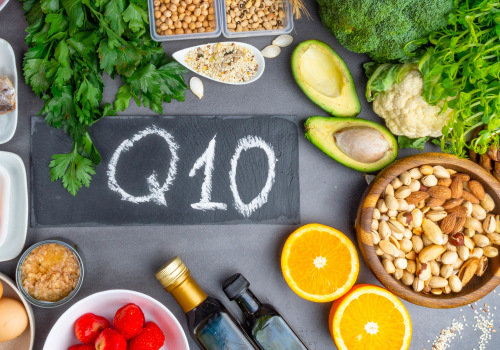
This conversion is particularly important as it helps protect cells from oxidative stress, which can lead to cellular damage and contribute to various health issues, including heart disease and neurodegenerative disorders. Dietary sources of CoQ10 include a variety of foods, although it is present in relatively small amounts. Some of the richest sources are:
- Fatty fish such as salmon and mackerel
- Organ meats like liver and kidney
- Nuts and seeds, particularly peanuts and sesame seeds
- Vegetables such as spinach, broccoli, and cauliflower
- Whole grains like wheat germ and oats
Understanding the role of CoQ10 in energy production and its antioxidant capabilities underscores its significance in maintaining optimal health.
Health Benefits of CoQ10
Coenzyme Q10, commonly known as CoQ10, is a naturally occurring antioxidant found in the body that plays a crucial role in energy production and cellular function. Its health benefits are extensive, making it a popular supplement among those looking to enhance their overall well-being. One of the most significant advantages of CoQ10 is its impact on heart health. Research has shown that CoQ10 can help improve heart function, particularly in individuals with heart disease. It aids in reducing oxidative stress and inflammation, which are key contributors to cardiovascular issues.Additionally, CoQ10 has been found to lower blood pressure and improve endothelial function, further supporting cardiovascular health. Another notable benefit of CoQ10 is its role in energy production. As a vital component of the mitochondria, CoQ10 helps convert nutrients into adenosine triphosphate (ATP), the energy currency of the cell. This process is essential for maintaining energy levels, especially during physical activity. Individuals who experience fatigue or low energy levels may find that CoQ10 supplementation helps boost their stamina and overall vitality. CoQ10 also shows promise in managing chronic diseases.
Studies suggest that it may play a role in mitigating the effects of conditions such as diabetes, neurodegenerative diseases like Parkinson's and Alzheimer's, and even certain types of cancer. By combating oxidative stress and supporting cellular health, CoQ10 may help slow disease progression and improve quality of life for those affected. Furthermore, CoQ10 has been linked to improved exercise performance. Athletes and fitness enthusiasts often use it to enhance endurance and reduce exercise-induced fatigue. By increasing energy production and reducing oxidative damage during intense workouts, CoQ10 can contribute to better performance outcomes. In summary, the health benefits of CoQ10 are multifaceted, ranging from enhanced heart health and increased energy levels to potential protective effects against chronic diseases.
As more research emerges, understanding these advantages can help individuals make informed decisions about incorporating CoQ10 into their health regimen.
Potential Interactions of CoQ10 with Medications
Understanding the potential interactions of CoQ10 with various medications is essential for anyone considering this supplement. While CoQ10 is known for its numerous health benefits, it can also interact with certain drugs, leading to either enhanced effects or diminished efficacy. Below, we categorize these interactions into positive and negative effects to provide a comprehensive overview.Positive Interactions
Some medications may actually benefit from the addition of CoQ10:- Beta-Blockers: Medications like timolol, commonly used to treat glaucoma, have shown improved heart-related side effects when combined with CoQ10. This combination can help mitigate the cardiovascular strain often associated with beta-blocker therapy.
- Blood Pressure Medications: CoQ10 may enhance the effectiveness of certain antihypertensive drugs, allowing patients to achieve better blood pressure control. For instance, individuals taking medications such as metoprolol or enalapril may find that CoQ10 helps them manage their condition more effectively.
Negative Interactions
Conversely, there are medications that may have reduced effectiveness when taken alongside CoQ10:- Anticoagulants: Drugs like warfarin and clopidogrel are critical for preventing blood clots.
However, CoQ10 has been reported to decrease the effectiveness of these medications, which could lead to an increased risk of clot formation. Patients on anticoagulants should consult their healthcare provider before starting CoQ10.
- Statins: Statin medications used to lower cholesterol levels can also lower the body’s natural levels of CoQ10. This interaction may negate some of the beneficial effects of CoQ10 supplementation, making it crucial for patients on statins to discuss their use with a healthcare professional.
Negative Interactions: Medications to Use Caution With
When considering the addition of CoQ10 to your health regimen, it is essential to be aware of potential negative interactions with certain medications.This section will explore three primary categories of drugs that may interact adversely with CoQ10: anticoagulants, statins, and blood pressure medications.
Anticoagulants
Anticoagulants, such as warfarin, are commonly prescribed to prevent blood clots. CoQ10 may interfere with the effectiveness of these medications. The mechanism behind this interaction lies in CoQ10's ability to enhance the synthesis of vitamin K, which is crucial for blood clotting. When vitamin K levels increase, the anticoagulant effect of warfarin can be diminished, potentially leading to an increased risk of clot formation. Patients taking anticoagulants should consult their healthcare provider before starting CoQ10 supplements.Regular monitoring of INR (International Normalized Ratio) levels may be necessary to ensure that blood clotting remains within a safe range.
Statins
Statins are widely used to manage cholesterol levels and reduce the risk of cardiovascular disease. However, they can also lower the natural levels of CoQ10 in the body. This reduction may lead to muscle-related side effects, such as myopathy or rhabdomyolysis, which are common concerns among statin users. While some studies suggest that supplementing with CoQ10 may help alleviate these side effects, it is crucial for individuals on statins to discuss this with their healthcare provider. Adjustments in dosage or alternative therapies may be recommended based on individual health needs.Blood Pressure Medications
CoQ10 has been shown to have a positive effect on blood pressure regulation; however, it can also interact with certain antihypertensive medications.Drugs such as diltiazem, metoprolol, and enalapril may have their effectiveness altered when taken alongside CoQ10. Some studies indicate that CoQ10 might allow patients to reduce their dosages of these medications without compromising blood pressure control. This potential benefit underscores the importance of consulting a healthcare provider before adding CoQ10 to your regimen if you are on blood pressure medications. Your doctor can help determine the appropriate course of action and monitor your response to treatment. In summary, while CoQ10 offers numerous health benefits, it is vital to approach its use cautiously when taking anticoagulants, statins, or blood pressure medications. Always engage in open communication with your healthcare provider to ensure safe and effective management of your health conditions.
Positive Interactions: Medications That May Benefit from CoQ10
Coenzyme Q10 (CoQ10) is not only recognized for its antioxidant properties but also for its potential to enhance the effectiveness of certain medications. Understanding these positive interactions can empower patients to have informed discussions with their healthcare providers about incorporating CoQ10 into their treatment plans. One notable category of medications that may benefit from the addition of CoQ10 are beta-blockers.These medications, commonly prescribed for conditions such as hypertension and heart disease, work by blocking the effects of adrenaline on the heart. While effective, beta-blockers can sometimes lead to side effects like fatigue and decreased energy levels. Research suggests that CoQ10 may help mitigate these side effects, potentially improving overall energy and well-being in patients taking beta-blockers like metoprolol and propranolol. Another area where CoQ10 shows promise is in conjunction with heart medications. For instance, patients undergoing treatment for heart failure or ischemic heart disease may find that CoQ10 supplementation enhances the efficacy of their prescribed therapies.
Studies have indicated that CoQ10 can improve heart function and exercise capacity in individuals with these conditions, making it a valuable adjunct therapy. Additionally, CoQ10 has been observed to have a synergistic effect when used alongside certain cholesterol-lowering medications, particularly statins. Statins are known to reduce cholesterol levels but can also deplete natural CoQ10 levels in the body, leading to muscle pain and weakness in some patients. Supplementing with CoQ10 may help alleviate these side effects while still allowing patients to benefit from the cholesterol-lowering effects of statins. Moreover, CoQ10 has been studied for its potential benefits in patients taking antihypertensive medications. Some studies suggest that CoQ10 can enhance the blood pressure-lowering effects of drugs like enalapril and diltiazem, allowing for lower doses of these medications without compromising efficacy. In conclusion, while CoQ10 has demonstrated potential positive interactions with various medications, it is essential for individuals to consult with their healthcare providers before starting any new supplement.
This ensures that any combination therapy is safe and tailored to their specific health needs.
Consulting Your Healthcare Provider: Best Practices
Before incorporating CoQ10 into your health regimen, it is essential to consult with your healthcare provider. This step is crucial for ensuring that the supplement is safe and appropriate for your individual health needs, especially if you are currently taking other medications or have underlying health conditions. Here are some best practices for discussing CoQ10 supplementation with your healthcare provider:- Be Prepared: Before your appointment, gather information about CoQ10, including its potential benefits and any concerns you may have. This preparation will help facilitate a more productive conversation.
- List Your Medications: Create a comprehensive list of all medications, supplements, and over-the-counter products you are currently taking. This information is vital for your healthcare provider to assess any potential interactions with CoQ10.
- Discuss Your Health History: Be open about your medical history, including any chronic conditions, allergies, or previous reactions to supplements.
This context will help your provider make informed recommendations.
- Ask Questions: Don’t hesitate to ask questions about the safety and efficacy of CoQ10. Inquire about how it may interact with your current medications and whether it aligns with your overall health goals.
- Follow Recommendations: If your healthcare provider approves the use of CoQ10, be sure to follow their dosage recommendations closely. They may suggest starting with a lower dose to monitor how your body responds.
By being proactive and informed, you can maximize the potential benefits of this powerful antioxidant while minimizing risks associated with drug interactions.
FAQs About CoQ10 and Medication Interactions
As interest in CoQ10 continues to grow, many individuals have questions about its safety and interactions with various medications. Below are some frequently asked questions that can help clarify these concerns.- What is CoQ10?
Coenzyme Q10, or CoQ10, is a naturally occurring antioxidant found in the body, particularly in the mitochondria of cells. It plays a crucial role in energy production and has been linked to various health benefits, including heart health and improved energy levels. - Can I take CoQ10 with my current medications?
While many people can safely take CoQ10 alongside their medications, it is essential to consult with your healthcare provider first. Certain medications, such as blood thinners and statins, may interact with CoQ10, potentially affecting their efficacy. - Are there any medications that should not be taken with CoQ10?
Yes, some medications may have adverse interactions with CoQ10.For instance, anticoagulants like warfarin may have reduced effectiveness when taken with CoQ10. Additionally, certain chemotherapy drugs may also interact negatively. Always discuss your medication regimen with your healthcare provider before adding CoQ10.
- Does CoQ10 affect blood pressure medications?
Research suggests that CoQ10 may enhance the effects of certain blood pressure medications, allowing for lower dosages. However, this interaction can vary from person to person, so monitoring by a healthcare professional is recommended. - Is it safe to take CoQ10 long-term?
For most individuals, long-term use of CoQ10 is considered safe. However, it is crucial to have regular check-ups and discuss any side effects or concerns with your healthcare provider. - What should I do if I experience side effects while taking CoQ10?
If you notice any unusual symptoms or side effects after starting CoQ10, it is important to contact your healthcare provider immediately.They can help determine whether the supplement is the cause and advise on the best course of action.
Conclusion: Navigating CoQ10 Supplementation Safely
In summary, the journey of incorporating CoQ10 into your health regimen is one that requires careful navigation. As we have explored throughout this article, while CoQ10 offers numerous health benefits, particularly in supporting heart health and combating oxidative stress, it is essential to recognize the potential interactions it may have with various medications. Understanding these interactions is crucial for anyone considering CoQ10 supplementation. For instance, while it may enhance the effectiveness of certain blood pressure medications, it can also diminish the efficacy of anticoagulants like warfarin.This duality underscores the importance of personalized healthcare. Before adding CoQ10 to your daily routine, it is imperative to consult with a healthcare provider. They can provide tailored advice based on your specific health conditions and the medications you are currently taking. This step is not just a precaution; it is a vital part of ensuring that your treatment plan remains effective and safe. Moreover, individuals on chemotherapy or those managing chronic conditions should be particularly vigilant. The interactions between CoQ10 and chemotherapy drugs can be complex, and only a qualified healthcare professional can guide you through these nuances. In conclusion, while CoQ10 holds promise as a beneficial supplement, its integration into your health strategy should be approached with caution and informed decision-making.
By prioritizing open communication with your healthcare team, you can maximize the benefits of CoQ10 while minimizing any potential risks associated with its use alongside other medications. Ultimately, the goal is to enhance your overall well-being without compromising the effectiveness of your existing treatments. With careful consideration and professional guidance, you can navigate the world of CoQ10 supplementation safely and effectively.