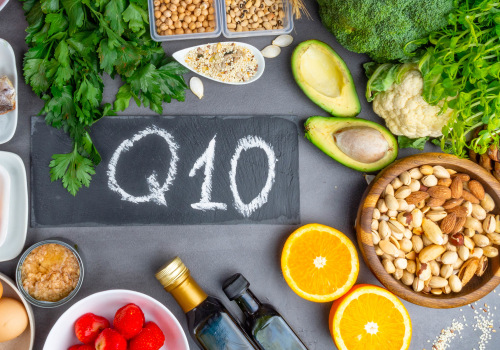
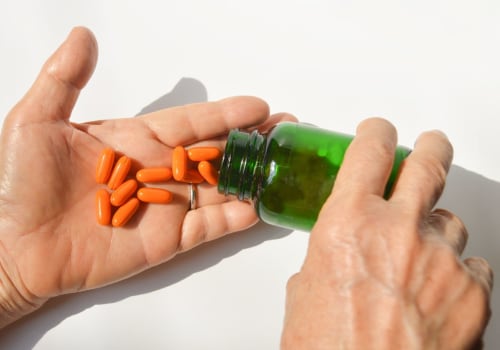
CoQ10, clearly considered.
Understanding Drug Interactions with CoQ10: A Comprehensive Guide
Learn about the importance of understanding drug interactions with CoQ10, including effects on blood thinners, antihypertensives, and chemotherapy.
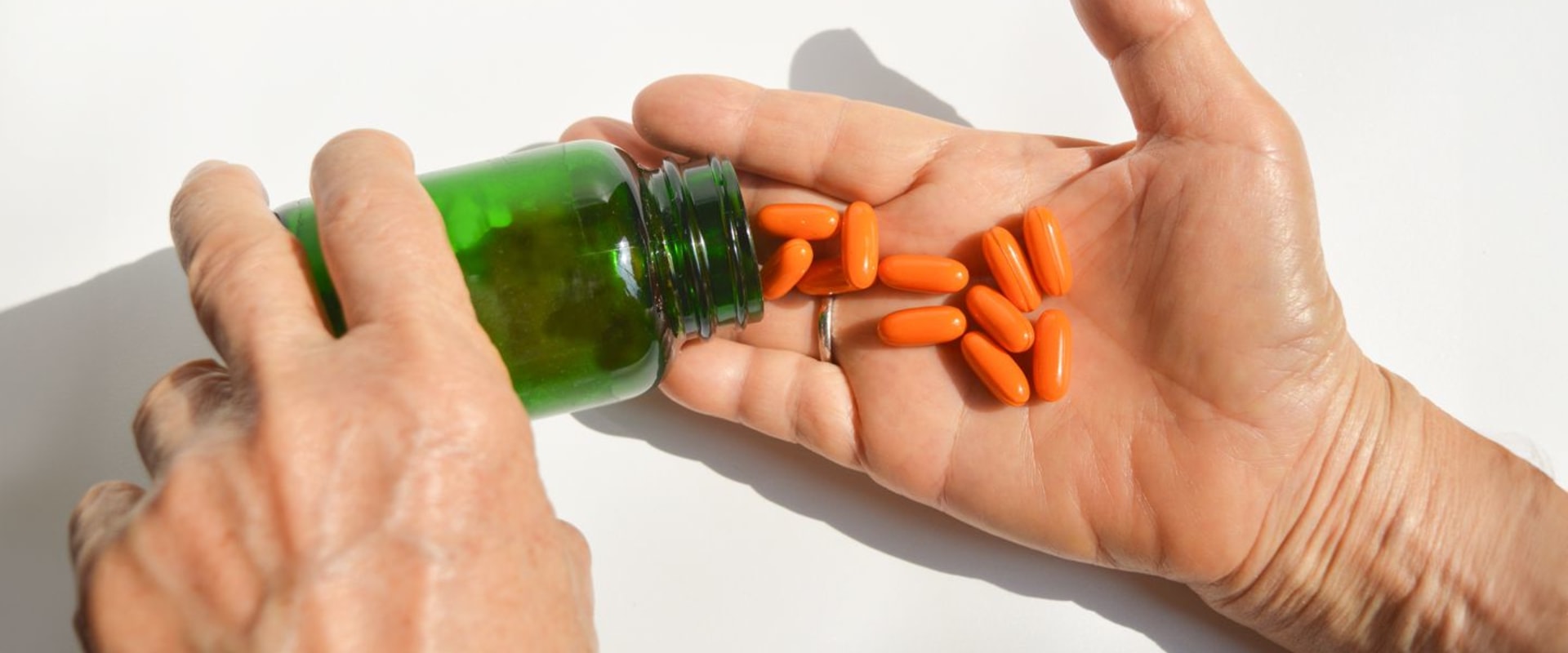

Coenzyme Q10, commonly referred to as CoQ10, is a naturally occurring antioxidant found in the cells of the body. It plays a vital role in the production of energy within the mitochondria, which are often described as the powerhouses of the cell. As we age, our natural levels of CoQ10 tend to decline, which can impact various bodily functions and overall health. Supplementing with CoQ10 has gained popularity due to its potential health benefits, particularly in supporting heart health, enhancing energy levels, and improving exercise performance, which can be crucial for those also focusing on Managing Mental Health Issues with Medication Insights. The benefits of , is a naturally occurring antioxidant found in the cells of the body. It plays a vital role in the production of energy within the mitochondria, which are often described as the powerhouses of the cell. As we age, our natural levels of CoQ10 tend to decline, which can impact various bodily functions and overall health. Supplementing with CoQ10 has gained popularity due to its potential health benefits, particularly in supporting heart health, enhancing energy levels, and improving exercise performance, which can be crucial for those also focusing on Managing Mental Health Issues with Medication Insights. The benefits of CoQ10 supplementation are numerous and well-documented.
Research suggests that it may help reduce the risk of heart disease by improving endothelial function and reducing oxidative stress. Additionally, CoQ10 has been shown to support individuals with conditions such as hypertension and congestive heart failure by promoting better blood flow and reducing inflammation. Athletes and fitness enthusiasts also turn to CoQ10 for its ability to enhance physical performance and reduce fatigue during intense workouts. Beyond cardiovascular health, CoQ10 is also being studied for its potential neuroprotective effects. Some studies indicate that it may play a role in slowing the progression of neurodegenerative diseases like Parkinson's and Alzheimer's by combating oxidative damage in brain cells.
Furthermore, CoQ10 is believed to support mitochondrial function, which is crucial for maintaining energy levels and overall vitality. As we delve deeper into the topic of CoQ10 , it is essential to understand not only its benefits but also how it interacts with various medications. This knowledge is crucial for anyone considering adding this supplement to their health regimen, especially those already on prescribed treatments. Understanding these interactions can help ensure that individuals maximize the benefits of CoQ10 while minimizing any potential risks associated with its use.
The Mechanism of Action of CoQ10
Coenzyme Q10, commonly referred to as CoQ10, plays a pivotal role in cellular energy production and acts as a powerful antioxidant. Understanding its mechanism of action is crucial for grasping how it interacts with various medications. At the cellular level, CoQ10 is primarily located in the mitochondria, the powerhouse of the cell.Here, it facilitates the production of adenosine triphosphate (ATP), which is the primary energy currency of the cell. The process begins with the electron transport chain, where CoQ10 serves as an electron carrier. It accepts electrons from various substrates and transfers them through a series of protein complexes, ultimately leading to the generation of ATP through oxidative phosphorylation. Moreover, CoQ10 is essential for maintaining mitochondrial function. Mitochondria are not only responsible for energy production but also play a significant role in regulating cellular metabolism and apoptosis (programmed cell death).
By ensuring optimal mitochondrial performance, CoQ10 helps to prevent cellular damage and supports overall cellular health. In addition to its role in energy production, CoQ10 exhibits remarkable antioxidant properties. It helps neutralize free radicals—unstable molecules that can cause oxidative stress and damage to cells. This antioxidant action is particularly important because oxidative stress has been linked to various chronic diseases, including cardiovascular disease and neurodegenerative disorders. By mitigating oxidative damage, CoQ10 contributes to cellular longevity and health. Furthermore, the levels of CoQ10 in the body can be influenced by several factors, including age, diet, and certain medical conditions.
For instance, individuals taking statin medications may experience reduced levels of CoQ10 due to the drugs' mechanism of action, which inhibits cholesterol synthesis—a pathway also involved in CoQ10 production. Understanding how CoQ10 functions at a cellular level not only highlights its importance in energy metabolism and antioxidant defense but also underscores the necessity for caution when combining it with certain medications. As patients consider incorporating CoQ10 into their health regimen, awareness of its mechanisms can guide informed discussions with healthcare providers regarding potential interactions and benefits.
Common Medications That Interact with CoQ10
Understanding the potential interactions between CoQ10 and various medications is crucial for anyone considering this supplement. Certain categories of drugs can significantly affect how CoQ10 works in the body, leading to unintended consequences. Below are some common medications that may interact with CoQ10:-
Blood Thinners: Medications such as warfarin and other anticoagulants are designed to prevent blood clots.
Research indicates that CoQ10 may reduce the effectiveness of these blood thinners, potentially increasing the risk of clot formation. Patients on anticoagulants should consult their healthcare provider before starting CoQ10 to ensure their blood clotting levels are monitored closely.
-
Antihypertensive Drugs: These medications, which include ACE inhibitors, beta-blockers, and calcium channel blockers, are used to manage high blood pressure. CoQ10 has been shown to have a mild hypotensive effect, which means it can lower blood pressure. When taken together, there is a risk that blood pressure may drop too low, leading to symptoms such as dizziness or fainting.
Regular monitoring of blood pressure is advised for patients taking both antihypertensives and CoQ10.
- Chemotherapy Drugs:Chemotherapy Drugs: Certain chemotherapy agents may interact with CoQ10, potentially diminishing their effectiveness. For instance, studies suggest that CoQ10 could interfere with the action of drugs like doxorubicin and cyclophosphamide. Cancer patients should always discuss any supplements they are considering with their oncologist to avoid compromising their treatment.
This proactive approach can help mitigate risks and ensure safe and effective use of CoQ10 as part of a comprehensive health strategy.
Blood Thinners and CoQ10: A Cautionary Tale
For individuals taking blood thinners, particularly warfarin, understanding the interaction with CoQ10 is crucial. Coenzyme Q10, a naturally occurring antioxidant in the body, plays a significant role in energy production and cellular health. However, its relationship with anticoagulants can pose serious risks. Research indicates that CoQ10 may reduce the effectiveness of warfarin and other anticoagulants. This is particularly concerning because warfarin is prescribed to prevent blood clots, and any decrease in its efficacy could lead to an increased risk of clot formation.The mechanism behind this interaction is not entirely understood, but it is believed that CoQ10 may influence the metabolism of warfarin in the liver. Patients on anticoagulants should be aware of the following:
- Monitoring INR Levels: Individuals taking warfarin must regularly monitor their International Normalized Ratio (INR) levels to ensure their blood's clotting ability remains within a safe range. Adding CoQ10 to their regimen could alter these levels, necessitating more frequent testing.
- Consulting Healthcare Providers: Before starting CoQ10, patients should consult their healthcare provider. This discussion should include a review of all medications and supplements being taken to assess potential interactions.
- Symptoms of Clotting Issues: Patients should be vigilant for signs of blood clots, such as swelling, pain, or redness in the limbs, as well as symptoms of bleeding like unusual bruising or prolonged bleeding from cuts.
Patients should prioritize open communication with their healthcare team to navigate these complexities safely.
Antihypertensive Medications and Their Interaction with CoQ10
Antihypertensive medications are commonly prescribed to manage high blood pressure, a condition that affects millions of individuals worldwide. These medications work through various mechanisms to lower blood pressure, thereby reducing the risk of heart disease, stroke, and other cardiovascular complications. However, when combined with CoQ10 (Coenzyme Q10), there is a potential for significant interactions that can lead to dangerously low blood pressure levels.Understanding the Interaction
CoQ10 is known for its role in energy production within cells and its antioxidant properties. It has also been shown to have a mild antihypertensive effect, which means it can lower blood pressure on its own.
When taken alongside antihypertensive medications, the cumulative effect may result in an excessive drop in blood pressure. This interaction is particularly concerning for individuals who are already on medication to control their hypertension. The combination of CoQ10 with these drugs can lead to symptoms such as:
- Dizziness
- Lightheadedness
- Fainting spells
- Fatigue
Types of Antihypertensive Medications
There are several classes of antihypertensive medications, including:
- ACE inhibitors: These drugs help relax blood vessels by inhibiting the angiotensin-converting enzyme.
- Beta-blockers: They reduce heart rate and the force of contraction, leading to lower blood pressure.
- Calcium channel blockers: These medications prevent calcium from entering heart and blood vessel cells, resulting in relaxed blood vessels.
- Diuretics: Often referred to as water pills, they help eliminate excess sodium and water from the body, lowering blood volume and pressure.
The Importance of Monitoring Blood Pressure
If you are taking both CoQ10 and antihypertensive medications, it is crucial to monitor your blood pressure regularly. Keeping track of your readings can help you and your healthcare provider make informed decisions about your treatment plan. If you notice any unusual symptoms or significant changes in your blood pressure readings, consult your doctor immediately. In conclusion, while CoQ10 may offer various health benefits, including support for cardiovascular health, it is essential to approach its use cautiously when combined with antihypertensive medications.
Always discuss any supplements you are considering with your healthcare provider to ensure safe and effective management of your hypertension.
Chemotherapy Drugs: The Risks of Combining with CoQ10
For individuals undergoing cancer treatment, understanding the potential interactions between CoQ10 and chemotherapy drugs is crucial. While Coenzyme Q10 is often praised for its antioxidant properties and potential health benefits, its use during chemotherapy raises significant concerns regarding the effectiveness of cancer treatments. Chemotherapy drugs are designed to target and kill rapidly dividing cancer cells. However, they can also affect healthy cells, leading to a range of side effects such as nausea, fatigue, and immune suppression. The introduction of CoQ10 into this delicate balance may inadvertently interfere with the intended action of these medications.Potential Interaction Risks
-
Reduced Efficacy: Some studies suggest that CoQ10 may reduce the effectiveness of certain chemotherapy agents.
This is particularly concerning for patients who rely on these drugs to manage their cancer effectively.
- Antioxidant Effects: CoQ10's antioxidant properties could potentially protect cancer cells from the oxidative damage that chemotherapy aims to induce. This protective effect might allow cancer cells to survive and proliferate despite treatment.
- Altered Drug Metabolism: CoQ10 may influence the metabolism of chemotherapy drugs in the liver, potentially leading to altered drug levels in the body. This can result in either reduced effectiveness or increased toxicity of the chemotherapy regimen.
Consultation with Healthcare Providers
Given these potential risks, it is essential for cancer patients to consult with their oncologists before starting any new supplements, including CoQ10. Oncologists can provide personalized advice based on the specific chemotherapy regimen and overall health status of the patient.
Managing Side Effects
While some patients may consider CoQ10 for its potential to alleviate certain side effects of chemotherapy, such as fatigue, it is vital to weigh these benefits against the possible risks. Alternative strategies for managing side effects should be discussed with healthcare providers to ensure that patients receive safe and effective care during their treatment journey. In conclusion, while CoQ10 may offer various health benefits, its use in conjunction with chemotherapy requires careful consideration and professional guidance.
Patients should prioritize open communication with their healthcare team to navigate these complex interactions effectively.
Other Factors Affecting CoQ10 Levels in the Body
Coenzyme Q10 (CoQ10) is a vital nutrient that plays a significant role in energy production and acts as a powerful antioxidant in the body. However, various factors can influence the levels of CoQ10, impacting its effectiveness and the overall health of individuals. Understanding these factors is crucial for anyone considering CoQ10 supplementation. One of the primary factors affecting CoQ10 levels is health conditions. Certain medical conditions can lead to decreased levels of this essential nutrient.For instance:
- Heart Disease: Individuals with heart disease often exhibit lower levels of CoQ10. This deficiency may contribute to the progression of cardiovascular issues, as CoQ10 is essential for maintaining heart health.
- Diabetes: Research indicates that people with diabetes may have reduced CoQ10 levels, which can affect insulin sensitivity and overall metabolic health.
- Neurological Disorders: Conditions such as Parkinson's disease and Alzheimer's disease have been associated with lower CoQ10 levels, suggesting that supplementation might be beneficial in managing these disorders.
Supplementing with CoQ10 may help mitigate some of the adverse effects associated with statin use, although patients should always consult their doctor before starting any new supplement regimen. Other factors that can influence CoQ10 levels include age, diet, and lifestyle choices. As individuals age, natural production of CoQ10 tends to decline, making supplementation more critical for older adults. Additionally, diets low in healthy fats or rich in processed foods may not provide adequate amounts of nutrients necessary for optimal CoQ10 synthesis. In conclusion, understanding the various factors that affect CoQ10 levels is vital for assessing individual needs for supplementation. By recognizing how health conditions and medications like statins impact these levels, individuals can make informed decisions about their health and wellness strategies.
Best Practices for Taking CoQ10 Safely
Incorporating CoQ10 into your health regimen can offer numerous benefits, but it is essential to do so safely.Here are some best practices to consider when taking this supplement:
- Consult with a Healthcare Provider: Before starting any new supplement, including CoQ10, it is crucial to consult with your healthcare provider. They can evaluate your individual health needs, review your current medications, and assess any potential risks for drug interactions. This step is particularly important for individuals with pre-existing health conditions or those taking multiple medications.
-
Be Transparent About Your Health History: When discussing CoQ10 with your healthcare provider, be open about your complete health history. This includes any chronic conditions, allergies, and other supplements or medications you are currently taking.
Full disclosure will help your provider give you the best advice tailored to your situation.
- Choose Quality Supplements: Not all CoQ10 supplements are created equal. It is vital to select products from reputable brands that adhere to high manufacturing standards. Look for supplements that have been third-party tested for purity and potency. This ensures that you are getting a product that is both safe and effective.
-
Check for Additional Ingredients: Some CoQ10 supplements may contain additional ingredients or fillers that could cause adverse reactions or interact with other medications.
Always read the label carefully and opt for products with minimal additives.
- Monitor Your Body’s Response: After starting CoQ10, pay attention to how your body responds. If you experience any unusual symptoms or side effects, such as dizziness or gastrointestinal discomfort, contact your healthcare provider immediately. They may recommend adjusting the dosage or discontinuing use altogether.
- Follow Recommended Dosages: Adhering to the recommended dosage is crucial for safety and effectiveness. Your healthcare provider can help determine the appropriate amount based on your specific health needs.
Remember that informed decisions lead to better health outcomes.
Frequently Asked Questions About CoQ10 Interactions
As more individuals turn to dietary supplements for health benefits, questions about CoQ10 interactions with medications have become increasingly common. Below are some frequently asked questions that can help clarify the safety and efficacy of taking CoQ10 alongside various treatments.1.Can I take CoQ10 with blood thinners?
One of the most pressing concerns is the interaction between CoQ10 and blood thinners, such as warfarin. Research indicates that CoQ10 may reduce the effectiveness of these anticoagulants, potentially increasing the risk of blood clots. If you are on blood thinners, it is crucial to consult your healthcare provider before starting CoQ10 to ensure safe usage.2.Is it safe to combine CoQ10 with antihypertensive medications?
CoQ10 has been shown to lower blood pressure, which can be beneficial for those managing hypertension.However, when taken alongside antihypertensive drugs, there is a risk that blood pressure may drop too low, leading to symptoms like dizziness or fainting. Patients should monitor their blood pressure closely and discuss any changes with their doctor.
3.How does CoQ10 interact with chemotherapy drugs?
For cancer patients undergoing chemotherapy, the interaction between CoQ10 and certain chemotherapy agents is a significant concern. Some studies suggest that CoQ10 may diminish the effectiveness of these drugs, which could impact treatment outcomes. It is essential for patients to inform their oncologist about any supplements they are taking, including CoQ10.4.Are there any other medications that may interact with CoQ10?
Yes, aside from blood thinners and antihypertensives, other medications such as statins can also affect CoQ10 levels in the body.Statins work by inhibiting cholesterol production, which can inadvertently lower CoQ10 levels as well. Patients on statins should discuss their use of CoQ10 with their healthcare provider to determine if supplementation is necessary.
5.What should I do before starting CoQ10?
Before beginning any new supplement regimen, including CoQ10, it is vital to consult with a healthcare professional. They can evaluate your individual health needs and assess any potential risks associated with drug interactions. Additionally, always inform your doctor about all medications and supplements you are currently taking. By addressing these common questions and concerns regarding CoQ10, patients can make informed decisions about their health and safely incorporate this supplement into their wellness routine.Conclusion: The Importance of Awareness in Supplementation with CoQ10
In summary, understanding the potential drug interactions with CoQ10 is crucial for anyone considering this supplement as part of their health regimen.Throughout this article, we have explored the various ways in which CoQ10 can interact with medications, particularly blood thinners, antihypertensive drugs, and chemotherapy agents. Each of these interactions carries its own set of risks that can significantly impact a patient's health. For instance, the interaction between CoQ10 and blood thinners like warfarin can lead to decreased anticoagulant effects, potentially increasing the risk of blood clots. This highlights the importance of monitoring and discussing any supplementation with a healthcare provider, especially for individuals on anticoagulant therapy. Similarly, those taking antihypertensive medications should be aware that CoQ10 may lower blood pressure further, which could result in symptoms such as dizziness or fainting. Regular monitoring of blood pressure is essential for these patients to avoid adverse effects. Moreover, cancer patients undergoing chemotherapy must exercise caution when considering CoQ10, as it may interfere with the effectiveness of their treatment.
Open communication with oncologists about any supplements being taken is vital to ensure that treatment remains effective and safe. Beyond drug interactions, it is also important to recognize that individual health conditions and other medications can influence CoQ10 levels in the body. For example, patients on statins may experience reduced levels of this coenzyme due to the way statins work in the body. Ultimately, the key takeaway is that informed decision-making is paramount when it comes to supplementation with CoQ10. Always consult with a healthcare provider before starting any new supplement regimen. This proactive approach not only helps mitigate risks but also ensures that individuals can safely enjoy the potential benefits of CoQ10. In conclusion, awareness and education about CoQ10 and its interactions with medications are essential components of responsible health management.
By prioritizing safety and seeking professional guidance, individuals can make informed choices that support their overall well-being.