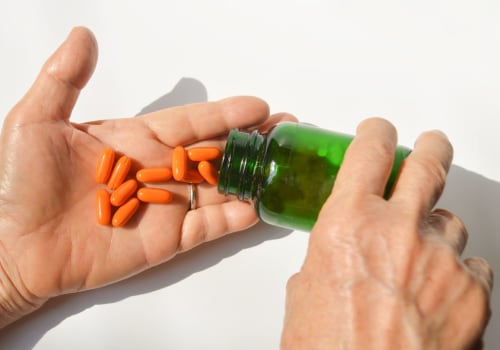
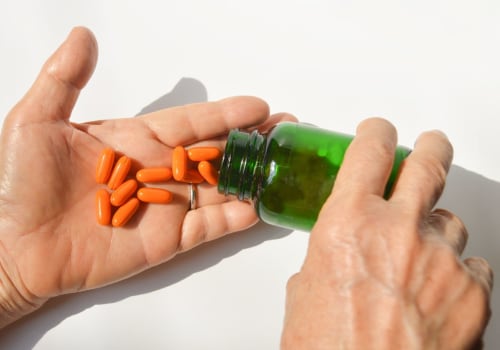
CoQ10, clearly considered.
Understanding the Potential Drug Interactions of CoQ10: A Comprehensive Guide
Explore the potential drug interactions of CoQ10 and how to use this supplement safely with medications. Consult your healthcare provider for guidance.

Coenzyme Q10, commonly referred to as CoQ10, is a naturally occurring antioxidant found in the cells of the body. It plays a crucial role in the production of energy within the mitochondria, which are often described as the powerhouses of the cell. This compound is vital for maintaining cellular health and function, as it helps convert nutrients into adenosine triphosphate (ATP), the energy currency of the cell. As we age, our natural levels of CoQ10 tend to decline, which can impact our overall health and vitality. The significance of CoQ10 extends beyond energy production; it also serves as a powerful antioxidant that protects cells from oxidative stress and damage caused by free radicals.
This protective role is essential in preventing various chronic diseases, including heart disease, neurodegenerative disorders, and even certain types of cancer. Research has shown that supplementing with CoQ10 may offer numerous health benefits, such as improving heart function, enhancing exercise performance, and reducing the frequency of migraines. Given its wide-ranging effects on health, understanding how CoQ10 interacts with other medications is critical for anyone considering its use as a supplement. While many people can safely incorporate CoQ10 into their daily routine, potential drug interactions can pose risks that should not be overlooked. This article will delve into the various drug interactions associated with CoQ10, ensuring that readers are well-informed about how to use this powerful antioxidant safely and effectively.
What is CoQ10?
Coenzyme Q10, commonly referred to as CoQ10, is a naturally occurring antioxidant found in the cells of the body.It plays a crucial role in the production of energy within the mitochondria, which are often described as the "powerhouses" of the cell. CoQ10 is essential for the conversion of nutrients into adenosine triphosphate (ATP), the primary energy carrier in all living organisms. This process is vital for maintaining cellular function and overall health. Biochemically, CoQ10 exists in two forms: oxidized (ubiquinone) and reduced (ubiquinol). The body can convert ubiquinone into ubiquinol, which is the active form that acts as an antioxidant.
This conversion is particularly important because ubiquinol is more effective at neutralizing free radicals—unstable molecules that can cause oxidative stress and damage to cells. In addition to its role in energy production, CoQ10 has several other important functions:
- Antioxidant Protection: CoQ10 helps protect cells from oxidative damage by scavenging free radicals, thereby reducing the risk of chronic diseases.
- Heart Health: Research suggests that CoQ10 may improve heart function and reduce symptoms in individuals with heart disease.
- Cellular Repair: By supporting mitochondrial function, CoQ10 aids in cellular repair processes, which are essential for maintaining healthy tissues.
- Fatty fish such as salmon and mackerel
- Organ meats like liver and kidney
- Nuts and seeds, particularly peanuts and sesame seeds
- Vegetables such as spinach, broccoli, and cauliflower
- Whole grains
Health Benefits of CoQ10
Coenzyme Q10, commonly known as CoQ10, is a naturally occurring antioxidant found in the body that plays a crucial role in energy production and cellular health.Its supplementation has gained attention for various health benefits, particularly in relation to heart health, energy levels, and chronic disease management. One of the most significant advantages of CoQ10 is its impact on heart health. Research indicates that CoQ10 can help improve heart function, especially in individuals with heart disease. It has been shown to enhance the efficiency of energy production in heart cells, which is vital for maintaining optimal cardiac function. Additionally, CoQ10 may help lower blood pressure and improve endothelial function, contributing to better overall cardiovascular health. Another compelling reason to consider CoQ10 supplementation is its role in boosting energy levels.
As a key component in the production of adenosine triphosphate (ATP), the primary energy carrier in cells, CoQ10 helps ensure that your body has the energy it needs for daily activities. This is particularly beneficial for individuals experiencing fatigue or those with conditions that impair energy production. Moreover, CoQ10 has potential implications for managing chronic diseases. Studies suggest that it may play a role in mitigating oxidative stress and inflammation, both of which are linked to various chronic conditions such as diabetes, neurodegenerative diseases, and even certain types of cancer. By reducing oxidative damage at the cellular level, CoQ10 may help slow the progression of these diseases and improve overall health outcomes. In summary, the health benefits of CoQ10 are multifaceted.
From supporting heart health and enhancing energy production to potentially aiding in the management of chronic diseases, CoQ10 supplementation can be a valuable addition to a health-conscious lifestyle. However, as with any supplement, it is essential to consult with a healthcare provider before starting to ensure it aligns with your individual health needs.
Potential Drug Interactions with CoQ10
Understanding the potential drug interactions of CoQ10 is crucial for anyone considering this supplement, especially those on medication. CoQ10, or coenzyme Q10, is known for its antioxidant properties and its role in energy production within cells. However, it can interact with various medications, leading to altered effects that may impact health outcomes. One of the most significant concerns regarding CoQ10 is its interaction with antihypertensive medications.These drugs are prescribed to manage high blood pressure and include:
- Captopril (Capoten)
- Enalapril (Vasotec)
- Lisinopril (Prinivil)
- Losartan (Cozaar)
- Valsartan (Diovan)
- Diltiazem (Cardizem)
- Amlodipine (Norvasc)
- Hydrochlorothiazide (HydroDiuril)
- Furosemide (Lasix)
- Warfarin (Coumadin)
- Heparin
- Aspirin
This interaction underscores the importance of monitoring and adjusting dosages under medical supervision. Interestingly, while CoQ10 may pose risks with certain medications, it has also shown promise in supporting individuals undergoing chemotherapy. Some studies indicate that CoQ10 can help mitigate heart damage caused by specific chemotherapy agents like doxorubicin. This protective effect can be particularly beneficial for patients who are concerned about the cardiovascular side effects of their treatment. Ultimately, anyone considering CoQ10 should engage in a thorough discussion with their healthcare provider about their current medications and health conditions. This proactive approach ensures safe and effective use of CoQ10 while minimizing potential drug interactions.
CoQ10 and Antihypertensive Medications
CoQ10, or coenzyme Q10, is a naturally occurring antioxidant that plays a crucial role in energy production within cells.One of its notable effects is its ability to potentially lower blood pressure, which can have significant implications for individuals taking antihypertensive medications. Understanding how CoQ10 interacts with these medications is essential for ensuring safe and effective treatment. Research has shown that CoQ10 may help reduce systolic and diastolic blood pressure in individuals with hypertension. This effect is particularly beneficial for those who are looking to manage their blood pressure levels naturally. However, for patients already on blood pressure medications, the addition of CoQ10 can lead to complications. When combined with antihypertensive drugs, CoQ10 can enhance the blood pressure-lowering effects, which may result in hypotension (abnormally low blood pressure).
This is especially concerning for individuals taking medications such as:
- Captopril (Capoten)
- Enalapril (Vasotec)
- Lisinopril (Prinivil, Zestril)
- Amlodipine (Norvasc)
- Diltiazem (Cardizem)
- Hydrochlorothiazide (HydroDiuril)
- Valsartan (Diovan)
Patients should prioritize open communication with their healthcare providers to navigate these interactions safely and effectively.
CoQ10 and Anticoagulants: A Cautionary Tale
CoQ10, or coenzyme Q10, is a naturally occurring antioxidant that plays a crucial role in energy production within cells. While it offers numerous health benefits, particularly for heart health, its interaction with anticoagulant medications warrants careful consideration. Anticoagulants, commonly referred to as blood thinners, are prescribed to prevent blood clots and reduce the risk of stroke and heart attack. However, the combination of CoQ10 and these medications can lead to significant complications. One of the primary concerns regarding CoQ10 and anticoagulants is the potential for decreased effectiveness of the blood-thinning medications.This interaction is particularly relevant for widely used anticoagulants such as warfarin , heparin, and aspirin. Research suggests that CoQ10 may counteract the effects of warfarin, leading to an increased risk of clot formation. This is especially critical for patients who rely on anticoagulants to manage conditions like atrial fibrillation or deep vein thrombosis. When taking warfarin , it is essential to maintain a consistent intake of vitamin K-rich foods, as fluctuations can affect the medication's efficacy. CoQ10 has a similar structure to vitamin K, which raises concerns about its potential to interfere with warfarin's action.
Patients who introduce CoQ10 into their regimen without proper medical guidance may inadvertently alter their INR (International Normalized Ratio) levels, which are crucial for monitoring blood coagulation. Moreover, individuals on anticoagulant therapy should be aware that any supplement, including CoQ10, can influence their treatment plan. It is vital to consult with a healthcare provider before starting CoQ10, especially if you are already taking blood thinners. Your doctor may recommend regular monitoring of your INR levels to ensure that your anticoagulation therapy remains effective. In summary, while CoQ10 offers various health benefits, its interaction with anticoagulants like warfarin poses significant risks. Patients should approach this combination with caution and seek professional advice to navigate potential complications effectively.
CoQ10 in Cancer Treatment: Benefits and Risks
Coenzyme Q10, commonly referred to as CoQ10, has garnered attention in the realm of cancer treatment due to its potential benefits and interactions with chemotherapy drugs.As an antioxidant, CoQ10 plays a crucial role in cellular energy production and may help mitigate some of the adverse effects associated with cancer therapies. One of the primary concerns for cancer patients undergoing chemotherapy is the damage that these potent drugs can inflict on healthy cells. Chemotherapy often leads to oxidative stress, which can result in side effects such as fatigue, nausea, and heart damage. Research suggests that CoQ10 may help protect against this oxidative damage, potentially improving the quality of life for patients during treatment.
Potential Benefits of CoQ10 in Cancer Therapy
- Cardioprotective Effects: Some studies indicate that CoQ10 may help prevent heart damage caused by certain chemotherapy agents, particularly anthracyclines like doxorubicin. By reducing oxidative stress, CoQ10 could help maintain heart function during treatment.
- Improved Energy Levels: Cancer treatments can lead to significant fatigue.
CoQ10 supplementation may enhance mitochondrial function, thereby increasing energy levels and reducing fatigue in patients undergoing chemotherapy.
- Enhanced Immune Function: There is evidence to suggest that CoQ10 may support immune health, which is vital for cancer patients whose immune systems may be compromised due to treatment.
Risks and Considerations
While the potential benefits of CoQ10 are promising, it is essential to consider the risks associated with its use alongside chemotherapy. Some studies have indicated that CoQ10 might interfere with the effectiveness of certain chemotherapy drugs by altering their metabolism or efficacy. For instance, it has been suggested that high doses of CoQ10 could potentially reduce the effectiveness of drugs like warfarin or other anticoagulants. Moreover, patients should be cautious about self-supplementing with CoQ10 without consulting their healthcare provider. Each cancer treatment regimen is unique, and what may be beneficial for one patient could pose risks for another.Therefore, it is crucial for individuals undergoing cancer treatment to discuss any supplement use with their oncologist or healthcare team. In conclusion, while CoQ10 shows promise as a supportive therapy in cancer treatment by potentially alleviating some side effects of chemotherapy and protecting healthy cells, careful consideration and professional guidance are essential to ensure safe and effective use.
Consulting Healthcare Providers: The Importance of Professional Guidance
When considering the addition of CoQ10 to your health regimen, it is crucial to seek guidance from a healthcare provider. This step is particularly important for individuals who are currently taking multiple medications or have pre-existing health conditions. The potential for drug interactions with CoQ10 necessitates a thorough evaluation by a professional who understands your unique health profile. Healthcare providers can offer personalized advice based on your medical history, current medications, and overall health status. They can help you understand how CoQ10 may interact with your existing treatments, especially if you are on medications for conditions such as hypertension, diabetes, or heart disease.For instance, while CoQ10 may lower blood pressure, this effect could be problematic for those already taking antihypertensive drugs. Moreover, healthcare professionals can provide insights into the appropriate dosage of CoQ10 that aligns with your health goals and needs. They can also monitor your progress and any side effects that may arise from combining CoQ10 with other treatments. In addition to medication interactions, consulting a healthcare provider is essential for understanding the broader implications of supplement use. Some individuals may have specific health conditions that could be exacerbated by taking CoQ10 without proper oversight. For example, those with liver or kidney issues should approach supplementation cautiously. Furthermore, healthcare providers can help dispel myths surrounding CoQ10 and provide evidence-based recommendations.
They can guide you through the myriad of supplements available on the market and help you choose high-quality products that are safe and effective. In summary, the importance of consulting a healthcare provider before starting CoQ10 supplementation cannot be overstated. Their expertise ensures that you make informed decisions about your health and minimizes the risk of adverse interactions with medications. By prioritizing professional guidance, you can safely incorporate CoQ10 into your wellness routine and maximize its potential benefits.
FAQs About CoQ10 and Drug Interactions
As interest in CoQ10 continues to grow, many individuals have questions regarding its safety and potential interactions with various medications. Below are some frequently asked questions that can help clarify these concerns.What medications should I be cautious about when taking CoQ10?
CoQ10 may interact with several types of medications, particularly:- Antihypertensives: Medications used to lower blood pressure, such as captopril, enalapril, and amlodipine, can have their effects altered when taken with CoQ10. This combination may lead to excessively low blood pressure.
- Anticoagulants: Drugs like warfarin and aspirin are designed to prevent blood clots.
CoQ10 may reduce the effectiveness of these medications, increasing the risk of clot formation.
- Chemotherapy agents: While some studies suggest that CoQ10 can protect against heart damage caused by certain chemotherapy drugs, it is essential to consult a healthcare provider before combining these treatments.
Is CoQ10 safe for everyone?
Generally, CoQ10 is considered safe for most individuals. However, those with specific health conditions or who are pregnant or breastfeeding should consult their healthcare provider before starting any new supplement. Additionally, individuals taking multiple medications should be particularly cautious due to the potential for interactions.Can I take CoQ10 with my current supplements?
If you are already taking other dietary supplements, it is advisable to discuss this with your healthcare provider. Some supplements may also affect blood pressure or interact with medications, so a comprehensive review of your regimen is essential.What should I do if I experience side effects while taking CoQ10?
If you notice any adverse effects after starting CoQ10, such as gastrointestinal discomfort or unusual fatigue, it is crucial to stop taking the supplement and consult your healthcare provider.They can help determine whether the symptoms are related to CoQ10 or another factor. In summary, while CoQ10 offers numerous health benefits, being informed about its potential interactions with medications is vital for safe use. Always consult a healthcare professional before adding new supplements to your routine.
Conclusion: Navigating CoQ10 Supplementation Safely
In summary, while CoQ10 presents numerous health benefits, particularly in supporting cardiovascular health and enhancing energy production, it is crucial to approach its supplementation with caution. The potential for drug interactions cannot be overlooked, especially for individuals who are already managing chronic conditions or are on multiple medications. As discussed, CoQ10 may lower blood pressure, which can be advantageous for those with hypertension but poses risks when combined with antihypertensive medications. This interaction highlights the importance of monitoring blood pressure levels and consulting with a healthcare provider before starting CoQ10, particularly for those on medications such as:- Captopril (Capoten)
- Enalapril (Vasotec)
- Lisinopril (Prinivil)
- Amlodipine (Norvasc)
- Diltiazem (Cardizem)
While some studies suggest that CoQ10 may reduce the effectiveness of these medications, others indicate potential protective benefits during chemotherapy. This duality underscores the necessity of personalized medical advice. Ultimately, the key takeaway is that while CoQ10 can be a valuable addition to your health regimen, it should not be taken lightly. Always engage in open discussions with your healthcare provider about any supplements you are considering. They can help assess your individual health needs and medication regimen to ensure that you can safely incorporate CoQ10 into your lifestyle. By prioritizing professional guidance and remaining informed about potential interactions, you can maximize the benefits of CoQ10 while minimizing any associated risks.
This proactive approach will empower you to make educated decisions about your health and wellness journey.